

In a world defined by digital acceleration, data processing serves as the vital engine that converts chaotic raw information into the strategic fuel necessary for modern business success.
This guide explores the lifecycle of data processing, from collection to real-time analysis. We delve into essential technologies like AI and automation, providing a roadmap for organizations to achieve a competitive advantage through superior data management.
What is Data Processing?
At its core, data processing is the systematic conversion of raw data into meaningful information. This transformation is crucial because raw data, while abundant, is often unstructured and unusable in its primary state.
Through a series of mechanical or digital steps, data processing cleans, filters, and organizes variables so that business leaders can interpret trends, predict customer behavior, and optimize internal operations. It is the bridge between “having data” and “having answers.”
The Evolution of Data Processing in the Digital Age
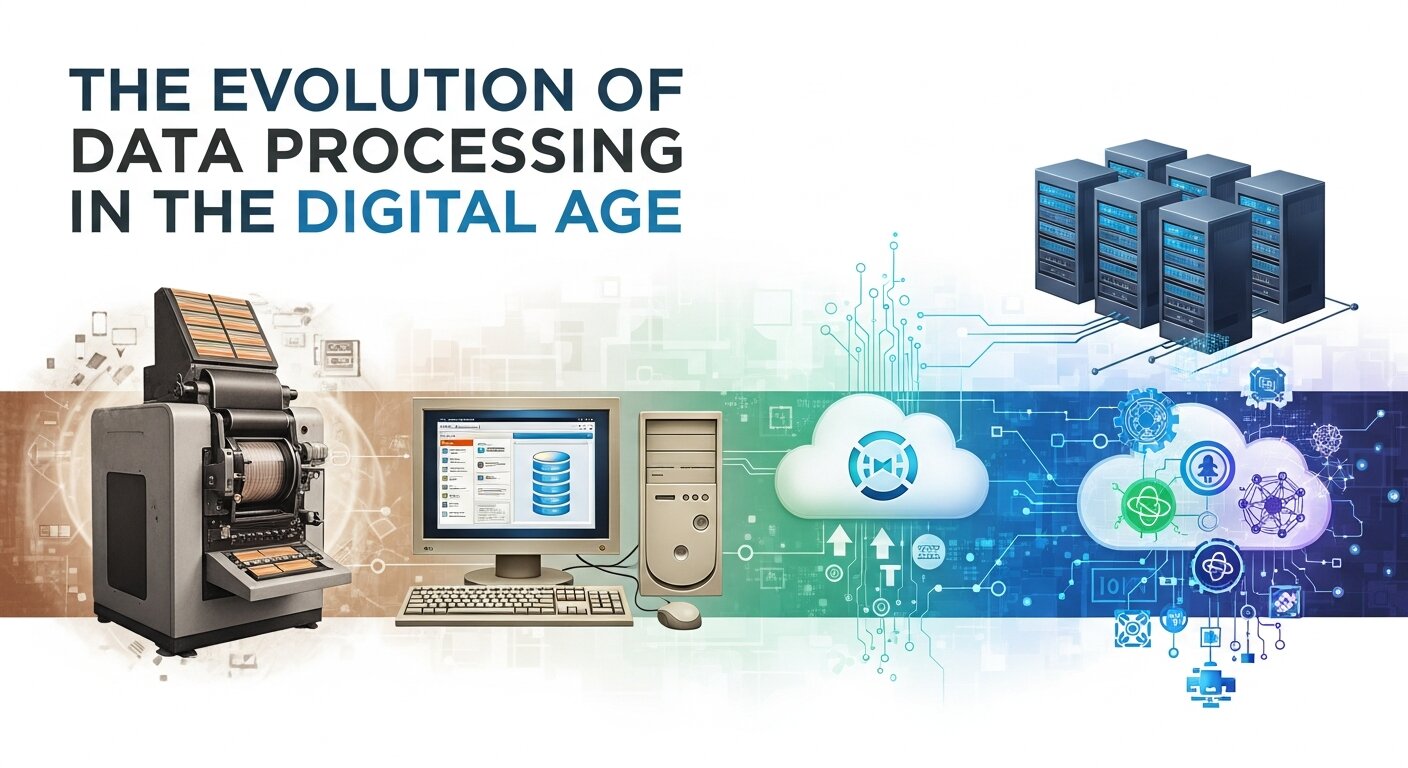
The history of data processing has transitioned from manual ledger entries to sophisticated cloud-based ecosystems. Today, we are witnessing a shift toward Artificial intelligence in business, where machine learning models handle complex calculations that would take humans years to complete.
Why Data Processing Matters More Than Ever
- Data Volume Explosion: With global data projected to exceed 180 zettabytes soon, manual handling is impossible.
- Real-Time Decision Making: Markets move in milliseconds. Real time data transfer allows businesses to react to shifts as they happen.
- Regulatory Compliance: Systems must ensure data processing aligns with global standards like GDPR to avoid crippling fines.
The 6 Core Stages of the Data Processing Cycle
Effective data processing is not a single event but a continuous loop. Understanding each stage is vital for maintaining data integrity.
1. Data Collection
Everything starts with gathering. This includes Manual data entry, IoT sensor logs, and Textual data entry. High-quality collection ensures that the subsequent stages are built on a solid foundation.
2. Data Preparation
Often called “data wrangling,” this is where the heavy lifting happens. Data cleaning involves removing duplicates and correcting errors. Many firms now use Data Entry Automation Software to speed up this phase, reducing the 80% of time data scientists usually spend on preparation.
3. Data Input
The prepared data is translated into a language the computer understands. This might involve Automate website data entry or feeding CSV files into Automate excel spreadsheets.
4. Data Processing
The actual “processing” occurs here. Using algorithms and Business process automation tools, the system performs calculations, classification, and Marketing Analytics Data synthesis.
5. Data Storage
Once processed, the information must live somewhere accessible and secure, such as a Data Lake or a Cloud Warehouse.
6. Data Output
The final result is presented via dashboards, reports, or Video analytics market trend visualizations, making the insights digestible for stakeholders.
Comparison of Processing Methods
| Method | Best Use Case | Speed |
| Batch Processing | Payroll, Monthly Billing | Slow (Scheduled) |
| Real-Time Processing | Fraud Detection, Stock Trading | Instantaneous |
| Distributed Processing | Big Data, AI Model Training | High (Parallel) |
| Interactive Processing | Online Reservations, CRM queries | Moderate (User-driven) |
Modern Technologies Powering Data Processing
To stay ahead, businesses are moving away from legacy systems and embracing Automation for small businesses and enterprise-level frameworks.
- Cloud Data Services: Platforms like AWS and Azure provide the infrastructure for real time data transfer.
- AI and Machine Learning: These technologies enable Automated data classification and Predictive analytics, allowing for Trend Marketing ai Data Strategy implementation.
- Automation Tools: From Automated crm data entry to Automated data entry xero, software is replacing the need for repetitive manual tasks.
Leveraging Data Processing for Marketing and Brand Growth
Data processing isn’t just for IT departments; it’s the backbone of modern marketing. By analyzing processed data, brands can execute a Content marketing plan that actually resonates.
Brand Strategy and Awareness
Processing consumer data allows for better Brand Positioning and Brand Awareness tracking. When you understand the Customer Journey Mapping, you can refine your Brand Voice Strategy to match user expectations.
The Power of Webinars and Virtual Events
In the B2B space, B2B Lead Generation often relies on Virtual Eventeering and Webinars. Processing attendee data helps in:
- Creating a Webinar Sales Funnel.
- Measuring Event Marketing Analytics.
- Automating Follow-Up Emails to convert leads.
Best Practices for Data Processing Excellence
- Prioritize Quality: “Garbage in, garbage out.” Use Data Entry Automation Software to minimize human error.
- Scalability: Ensure your Data Processing architecture can grow with your business.
- Security: Implement encryption at every stage of the pipeline to protect your Digital Reputation Management.
- Integrate SEO: For digital businesses, Measuring SEO Success through Digital Marketing Analytics is a non-negotiable part of the processing cycle.
The Future: Edge Computing and Beyond
The future of data processing lies in Edge Computing, where data is processed locally on devices rather than sent to a central cloud. This reduces latency significantly, which is essential for the next generation of Viral Marketing Strategies and Ai Driven Trend Marketing.
The Impact of AI-Driven Data Processing on Business Intelligence
The integration of Artificial intelligence in business has fundamentally shifted the paradigm from descriptive analytics (what happened?) to predictive analytics (what will happen?). Modern Data Processing systems now leverage machine learning to scan millions of data points, identifying correlations that a human analyst might miss.
For instance, by Mastering video analytics, retail brands can process real-time security footage to understand customer flow, heat maps, and dwell times. This isn’t just about security; it’s about Effective Retail Marketing Analytics that inform store layouts and product placement.
Data Processing in the Sales Funnel: From Webinars to Conversions
Data doesn’t just sit in a database; it moves through your sales pipeline. A primary example is the use of Virtual Eventeering and Webinars for lead generation. When a user registers for a session, several Data Processing steps occur:
- Lead Capture: Information is pulled via Automated crm data entry.
- Behavioral Analysis: Using Power of Behavior Webinars analytics, the system tracks how long a user watched and if they clicked a CTA.
- Segmentation: The data is processed to categorize the lead (e.g., “Hot Lead” vs. “Educational”).
- Follow-Up: Email Marketing Services trigger personalized responses based on the processed behavior.
By utilizing an Irresistible Webinar Offer and processing the resulting data, companies can build a high-converting Webinar Sales Funnel that runs on autopilot.
Streamlining Financial Data: Automation and Accuracy
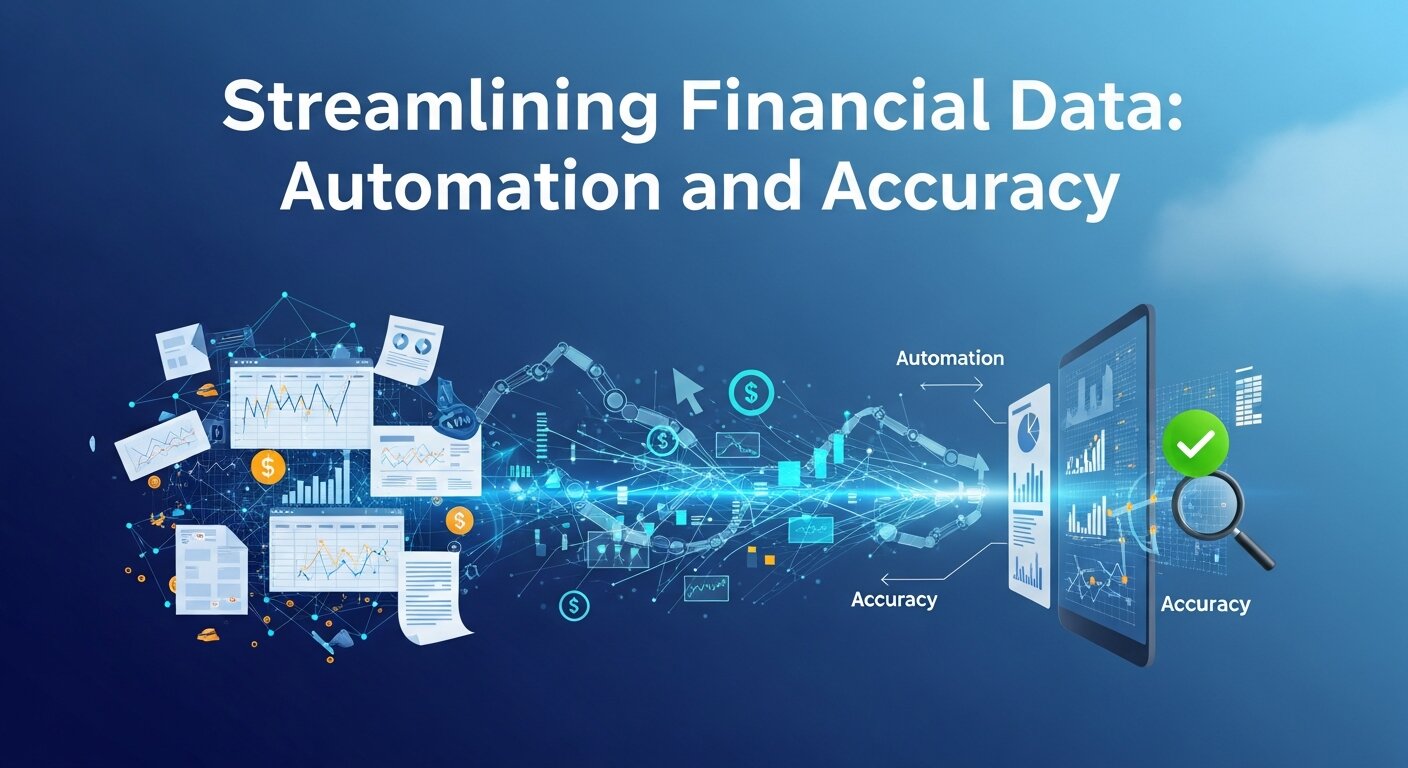
Financial departments are often bogged down by Manual invoice data entry, which is prone to human error and slow turnaround times. Modern Data Processing technologies have introduced Automated data entry xero and similar integrations that can “read” an invoice using OCR (Optical Character Recognition) and input the data directly into accounting software.
Benefits of Automated Financial Processing:
- Mastering automation in excel data entry: Eliminates the need for manual copy-pasting between sheets.
- Real time data transfer: Provides an up-to-the-minute view of company cash flow.
- Audit Readiness: Creates a digital paper trail that simplifies Regulatory Compliance.
Comparison of Popular Data Processing Tools
To help you choose the right stack for your organization, consider the following table:
Your Brand Strategy Guide should be heavily influenced by the data you process. Brand Perception In Marketing is no longer a guessing game. By processing social sentiment and review data through Brand Monitoring Services, companies can detect a Brand Crisis Management situation before it goes viral.
Furthermore, Competitive Brand Analysis allows you to process your competitors’ public data—such as their pricing shifts or Viral Social Media Campaigns—to adjust your own Brand Positioning Strategy accordingly.
The Role of Edge Computing and IoT
As we move further into the decade, Data Processing is shifting toward the “Edge.” This means instead of sending every bit of information from an IoT device to a central server, the device itself handles the initial Data Processing.
- Speed: Near-zero latency for critical actions (e.g., autonomous vehicle sensors).
- Bandwidth: Reduces the cost of real time data transfer by only sending relevant summaries to the cloud.
- Security: Sensitive data can be processed locally, enhancing Personal Reputation Management and data privacy.
The Synergy of Data Processing and Brand Strategy
In the modern marketplace, Data Processing is the silent architect behind a successful Brand Strategy Guide. It is no longer enough to have a creative vision; that vision must be validated by processed consumer behavior. By analyzing vast datasets, companies can refine their Brand Positioning to meet the exact emotional and functional needs of their target audience.
Enhancing Brand Awareness Through Analytics
When you utilize Digital Marketing Analytics, you aren’t just looking at numbers; you are processing human interest. High-level Data Processing allows you to:
- Track Brand Perception: Use sentiment analysis to see how your Brand Voice Strategy is landing.
- Audit Brand Equity: Measure the value of your brand through Brand Equity KPIs like customer loyalty and price premium.
- Manage Reputation: Brand Monitoring Services rely on real-time processing to alert you to a potential Brand Crisis Management situation before it scales.
Advanced Lead Generation: The Webinar Data Ecosystem
For B2B organizations, B2B Lead Generation has evolved into a data-centric science. Virtual Eventeering and Webinars provide a goldmine of raw data that, when processed correctly, creates a seamless Webinar Sales Funnel.
Processing the “Virtual Event” Lifecycle
Pre-Event: Use Outbound Email Marketing data to see which subject lines drive registrations.
During Event: Track engagement metrics. Webinar Hosts Hear Me—interactive polls and Q&A sessions generate real-time data points that help in Mastering real time data.
Post-Event: Automate the transition of attendee logs into your CRM via Automated crm data entry. This ensures your sales team follows up while the lead is still “warm.”
By integrating Marketing Analytics Tools, you can determine the exact ROI of your Virtual Event Cost Breakdown, ensuring every dollar spent on Virtual Event technology is justified by processed lead quality.
The Automation Revolution in Data Entry
The transition from Manual data entry to Data Entry Automation Software is perhaps the most significant “quick win” for any business. Whether you are dealing with Manual invoice data entry or high-volume Textual data entry, automation reduces the margin for error to near zero.
Key Automation Strategies:
Automate Excel Spreadsheets: Use macros and Power Query for Mastering automation in excel data entry, turning hours of manual sorting into seconds of processing.
Website and CRM Syncing: Use tools to Automate website data entry so that customer information moves from a web form to your database without human intervention.
Hubspot and Xero Integration: For finance and sales alignment, Automated data entry xero and Hubspot data entry ensure that “closed-won” deals automatically trigger invoices.
Viral Marketing and Trend Analytics
In the age of TikTok and rapid-fire content, Viral Marketing Strategies depend on Real Time Trend Marketing. To “go viral,” a brand must process Micro Trend Marketing data to catch a wave at its peak.
The Psychology of the Trend
Using Ai Driven Trend Marketing, businesses can analyze the Psychology Behind Viral Content. This involves processing social triggers, emotional high-points, and Marketing FOMO. By understanding these patterns through Predictive Trend Marketing, you can build a Viral Content Marketing Strategy that feels organic rather than forced.
Security and Ethical Data Processing
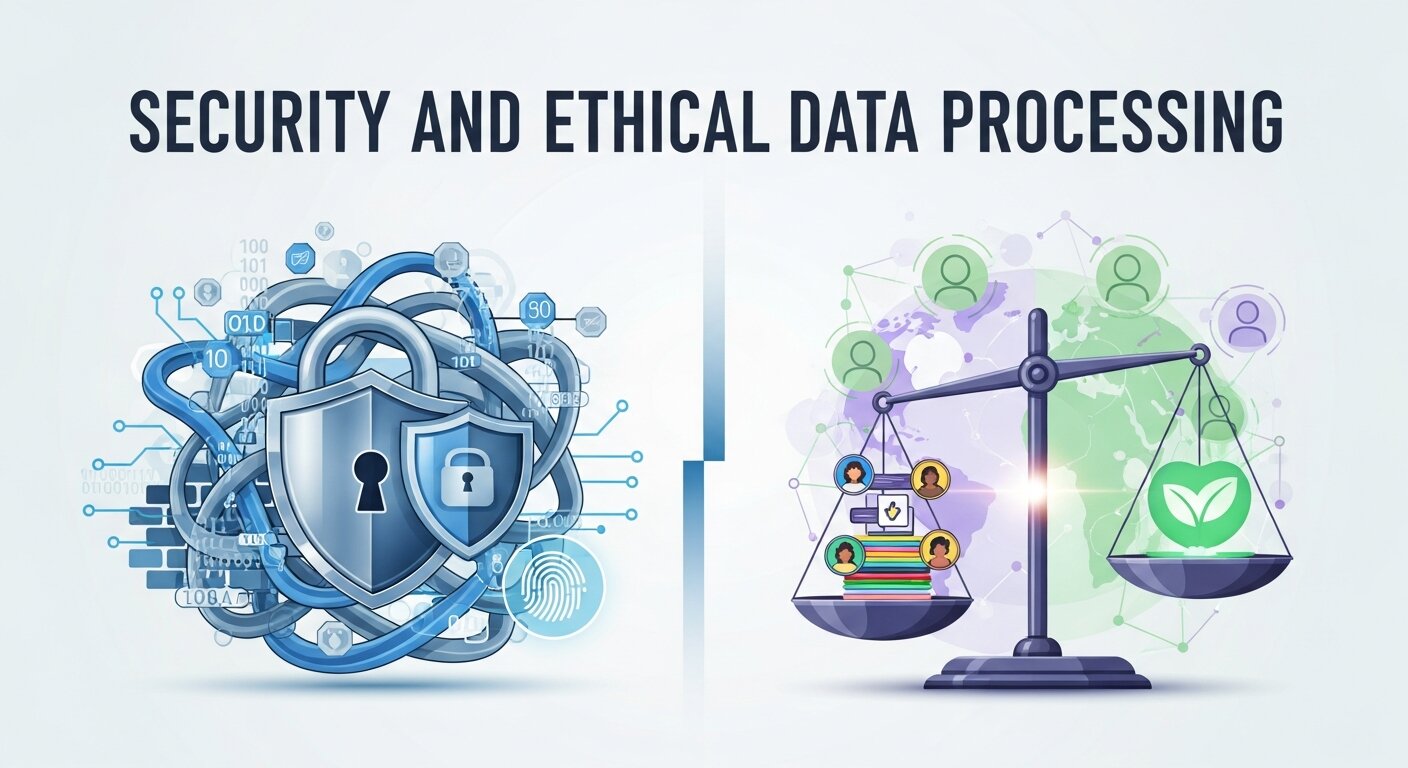
As Data Processing becomes more invasive, Privacy-Preserving Computing is essential. For Personal Reputation Management and corporate ethics, how you handle data is as important as what the data says.
Digital Reputation Management: Protecting user data is the best way to maintain a positive brand image.
Ethical Branding: Ensure your Data Processing algorithms are transparent and free from bias, especially when used for Personal Brand Strategy or automated hiring.
Conclusion
Mastering data processing is no longer optional; it is the cornerstone of the modern enterprise. By transforming raw numbers into a strategic Brand Strategy Road Map, organizations can navigate the complexities of the digital age with confidence. Start optimizing your data pipeline today to unlock the hidden value within your information.
Frequently Asked Questions
1. What is the difference between data and information?
Data is raw, unorganized facts (like a list of numbers). Information is the result of data processing, where those numbers are turned into a meaningful report or insight.
2. How does automation improve data processing?
Automation, such as Automate browser data entry or Hubspot data entry tools, removes human fatigue and error, ensuring higher accuracy and faster processing speeds.
3. What is Real-Time Data Processing?
It is the immediate processing of data as it is generated. This is vital for Mastering real time data in industries like finance for fraud detection.
4. Can small businesses afford advanced data processing?
Yes. With Automation for small businesses and affordable SaaS tools, even small teams can implement Automated invoice data entry and basic analytics.
5. How does data processing help in B2B Lead Generation?
By processing interaction data from Salesforce Webinars or whitepaper downloads, businesses can identify high-intent leads and personalize their outreach.
6. What role does AI play in data processing?
AI enables Automated data classification and can find patterns in “Big Data” that are invisible to the human eye, such as Predictive Trend Marketing insights.
7. Is manual data entry still relevant?
While Manual data entry is still used for sensitive or physical documents, most businesses are transitioning to Automated data entry to save costs and improve reliability.
8. What are the legal risks of data processing?
Improper handling can lead to privacy breaches. Organizations must follow Brand Safety In Digital Marketing guidelines and international laws like GDPR.
9. How do I start automating my data entry?
Begin by identifying repetitive tasks. Use Text expansion software or tools to Automate excel spreadsheets to see immediate efficiency gains.
10. What is a Data Warehouse?
A Data Warehouse is a storage system designed specifically for processed data, allowing for complex Marketing Analytics Tools to run queries without slowing down operational systems.