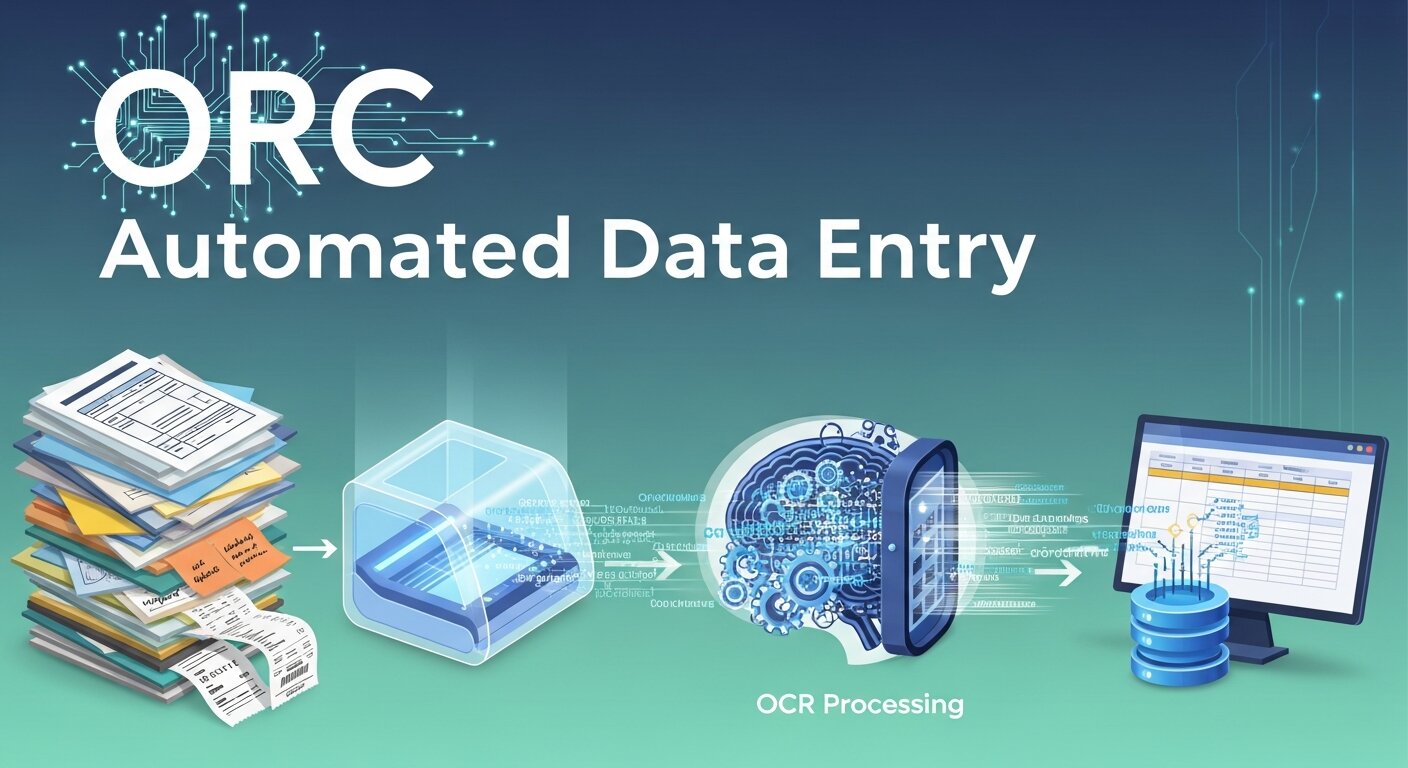
ORC automated data entry represents the next frontier in document intelligence, seamlessly bridging the gap between raw image capture and actionable enterprise data to drive unprecedented operational efficiency.
This guide explores the evolution of ORC automated data entry, detailing its core components—from AI-driven extraction to system integration. We examine industry-specific benefits, implementation roadmaps, and future trends like deep learning and cloud-native processing for modern businesses.
The Evolution: Beyond Basic OCR
Traditional OCR technology has existed for decades, but it often functioned as a solo act—turning a PDF into a text file and leaving the “heavy lifting” of data entry to human staff. ORC automated data entry evolves this by incorporating Artificial Intelligence in business workflows.
According to Ahrefs, understanding search intent is key to digital transformation. Users today aren’t just looking for “text converters”; they are looking for Business process automation tools that eliminate manual intervention.
| Feature | Traditional OCR | ORC Automated Data Entry |
| Primary Goal | Character recognition | Data integration and validation |
| Intelligence | Pattern matching | Machine Learning & NLP |
| Handling | Static templates | Context-aware extraction |
| Workflow | Manual export/import | End-to-end automation |
| Accuracy | 70-85% | 99%+ with self-learning |
Core Components of an ORC Ecosystem
1. Intelligent Document Capture
The journey begins with capturing data from diverse sources. Whether it is Manual invoice data entry from a paper scan or Automated CRM data entry from an email attachment, the system must be versatile. Modern ORC solutions act as a Virtual Assistant, monitoring inbound streams such as:
- Scanner integrations and mobile capture.
- Direct API feeds from platforms like HubSpot or Xero.
- Email parsing for B2B Lead Generation.
2. Advanced Classification and Preprocessing
Before extraction, the system must “know” what it is looking at. ORC automated data entry uses visual anchors and textual cues to distinguish a 1040 tax form from a legal contract. This stage includes “deskewing” and noise reduction, ensuring that even poor-quality scans are legible for the AI.
3. Contextual Data Extraction
This is where the magic happens. Unlike rigid templates, ORC uses Natural Language Processing (NLP) to understand that a dollar amount next to the word “Total” is likely the final balance. This is essential for Automated data entry Xero or QuickBooks integrations where formatting varies by vendor.
4. Validation and Business Rules
To ensure Mastering real time data, the system checks extracted values against existing databases. For example, it might verify a vendor ID against your ERP or cross-reference a shipping address. This minimizes the “garbage in, garbage out” risk associated with Manual data entry.
Strategic Advantages for the Modern Enterprise
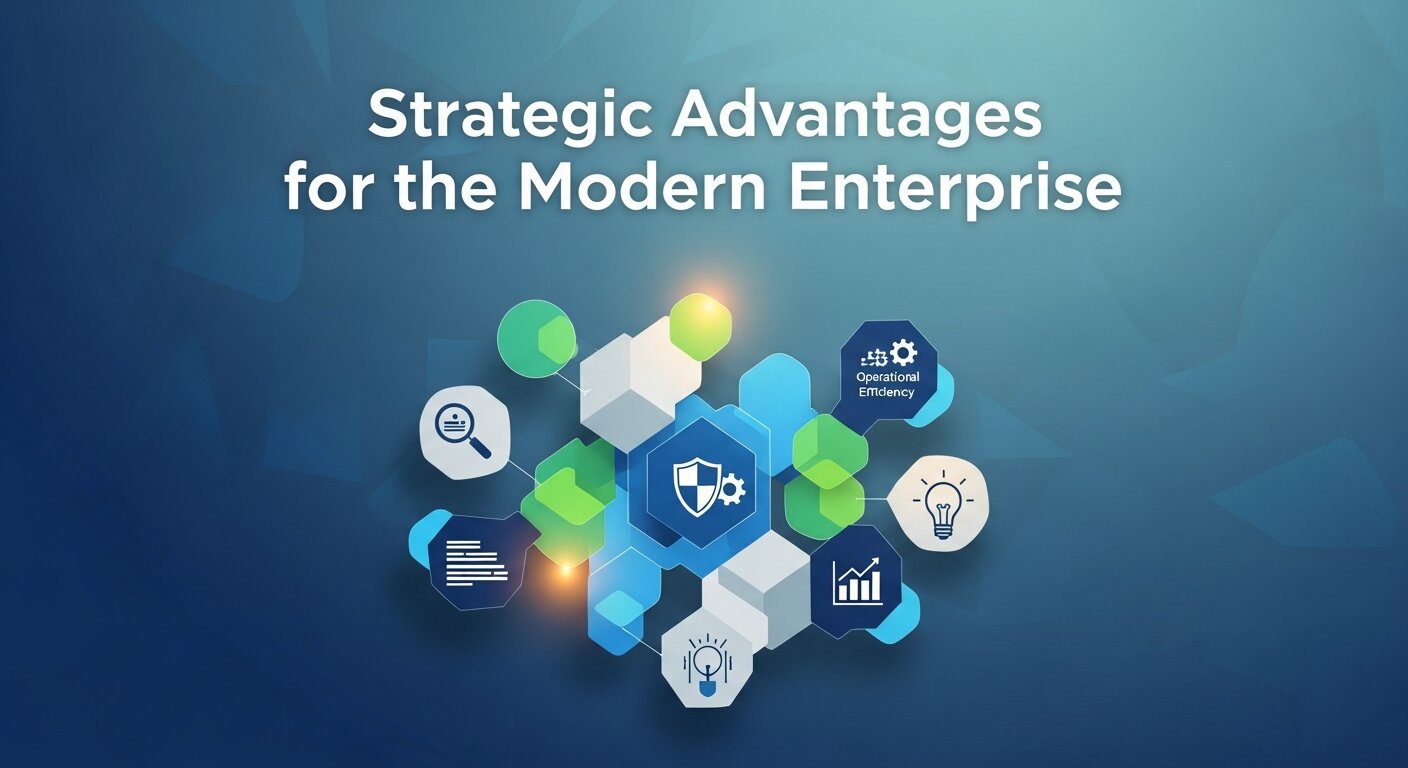
Implementing ORC automated data entry isn’t just a technical upgrade; it’s a strategic shift. By leveraging Data Entry Automation Software, companies can refocus their human capital on high-value tasks.
Dramatic Cost and Time Reductions
Manual entry is expensive. Between salary, benefits, and the cost of fixing errors, a single document can cost upwards of $10 to process. ORC automated data entry slashes these costs by 70% or more. Furthermore, while a human might take 10 minutes to process a complex form, an automated system does it in seconds, facilitating real time data transfer.
Accuracy and Risk Mitigation
Human error is inevitable, especially in high-volume environments. ORC automated data entry systems achieve near-perfect accuracy. This is critical for Digital Payment Solutions and Digital Reputation Management, where a single misplaced decimal point can lead to financial loss or a PR crisis.
Enhanced Data Accessibility
Once data is “captured” via ORC, it becomes searchable. This feeds directly into your Marketing Analytics Tools, allowing you to measure Digital Marketing Analytics or Event Marketing Analytics with granular precision.
Industry Use Cases: ORC in Action
The medical field is buried in paperwork. ORC automated data entry helps digitize patient records, insurance claims, and clinical notes. This speed is vital for Chemical Market Analytics and pharmaceutical research where data latency can delay life-saving innovations.
Financial Services and Fintech
From loan processing to KYC (Know Your Customer) compliance, banks use ORC to maintain Brand Safety In Digital Marketing and operations. It ensures that Digital Payment Solutions are backed by verified, structured data.
Retail and E-commerce
Retailers use ORC to manage supply chains. By using Automate website data entry for inventory management and Automated data entry Xero for accounting, they can focus on Consumer Brand Marketing and Luxury Brand Marketing strategies.
Integration and the Tech Stack
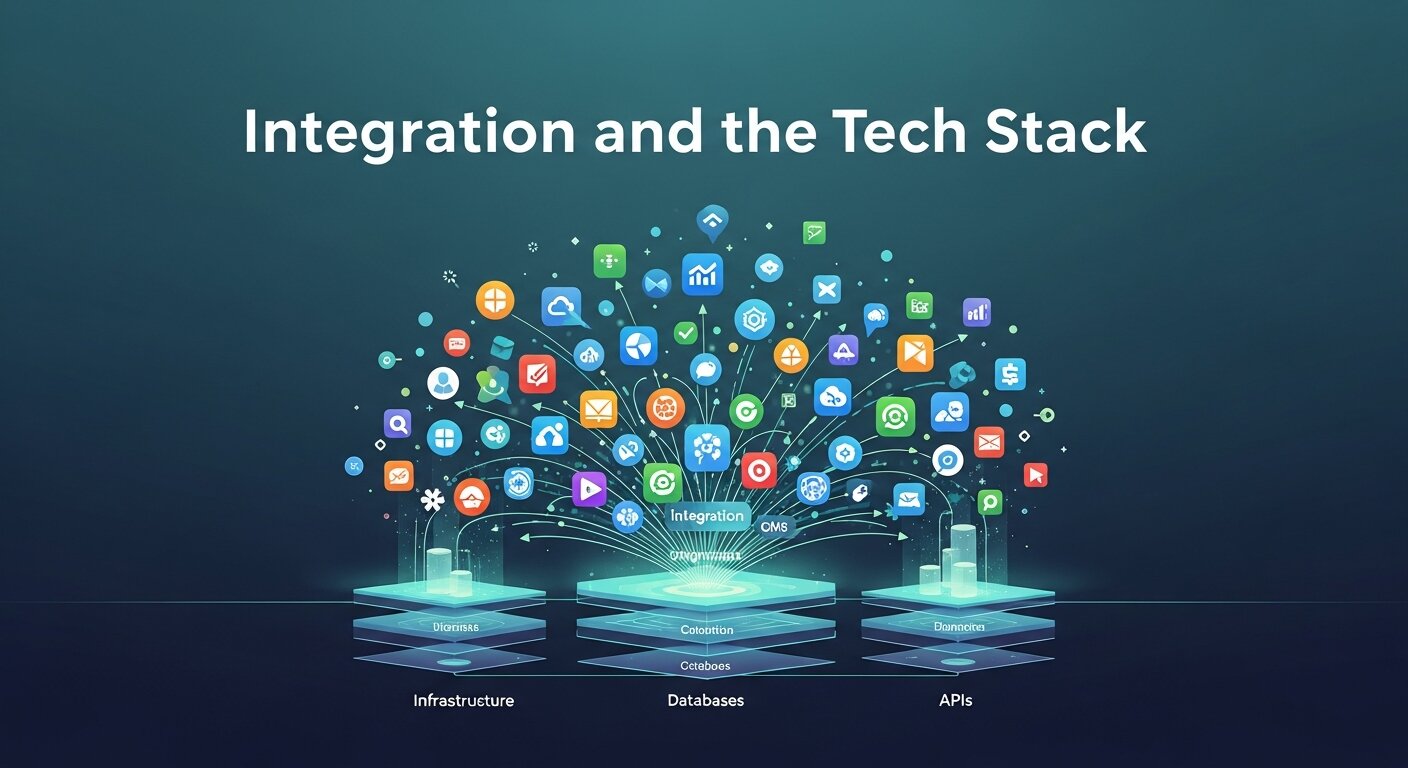
To truly achieve Mastering automation in excel data entry or Automate excel spreadsheets, the ORC system must talk to your other tools.
CRM Integration: Automated CRM data entry ensures your sales team has the latest lead info without lifting a finger.
Webinar & Event Data: Using Webinar Lead Generation Strategies, you can capture attendee data via ORC-processed forms and sync them to your B2B Lead Generation funnel.
Excel & Browser Automation: Tools that Automate browser data entry can take ORC output and populate web-based legacy systems.
Future Trends: AI and the “Self-Healing” Workflow
The future of ORC automated data entry is inextricably linked with Artificial intelligence in business. We are moving toward:
- Hyper-Personalization: Systems that learn a company’s unique “Brand Voice” and “Brand Personality” to categorize documents.
- Predictive Analytics: Using Marketing analytics data to predict future document volumes.
- Cloud-Native Processing: Utilizing Domain & Hosting Services that offer elastic scaling for peak processing times (like tax season or end-of-quarter).
- Sonic and Sensory Branding: While primarily for marketing, AI is beginning to use multi-modal recognition (voice + text) to validate identities during data capture.
Step-by-Step Implementation Roadmap
- Audit Your Workflow: Identify where Manual data entry is slowing you down.
- Define ROI Goals: Are you looking for speed, accuracy, or cost savings?
- Choose the Right Platform: Evaluate Data Entry Automation Software based on your specific document types (structured vs. unstructured).
- Pilot and Scale: Start with a single department (e.g., Accounts Payable) before a full-scale rollout.
- Monitor KPIs: Use Measuring SEO Success and Digital Marketing Analytics logic to track the “health” of your data flow.
The Role of Content and Education

In the world of B2B Lead Generation, education is key. Many professionals now include “Experience with ORC automated data entry” or mentions of a Webinar in resume to show digital literacy. Hosting a Webinar for Education on these tools can position your company as a thought leader, enhancing your Brand Awareness and Brand Positioning.
For those looking to host, choosing the Right Platform for Webinar is essential to ensure a Successful Webinar Planning phase. Capturing data from these events via ORC automated data entry completes the circle of Inbound Marketing.
How ORC Automated Data Entry Works
To move from manual processes to Mastering real time data, one must understand the “under the hood” mechanics of an ORC system. It isn’t a single software but a stack of technologies working in orchestration.
The Five-Layer Framework
- Input Layer: High-speed scanners, Automate browser data entry scripts, and API listeners for platforms like HubSpot or Salesforce.
- Recognition Layer: The core engine utilizing OCR, ICR (Intelligent Character Recognition for handwriting), and OMR (Optical Mark Recognition for checkboxes).
- Intelligence Layer: This is where Artificial intelligence in business shines. Neural networks identify the “Intent” of the document.
- Validation Layer: Employs “fuzzy logic” to match extracted data against master data (e.g., matching a partial vendor name to an exact record in Xero).
- Output Layer: Distributes structured data via JSON, XML, or direct database injection.
Mastering Automation in Excel Data Entry via ORC
For many businesses, Excel remains the primary tool for reporting. ORC automated data entry eliminates the “copy-paste” fatigue that leads to 1-4% human error rates.
Automate Excel Spreadsheets with Precision
Modern ORC solutions allow users to:
- Auto-populate Tables: Map extracted line items directly into specific cells.
- Text Expansion Software Integration: Use triggers to expand shorthand ORC data into full descriptions within a sheet.
- Macro Triggers: Once the ORC system saves a file, a pre-set Excel macro can automatically run Marketing Analytics Hacks to generate a pivot table.
ORC for Lead Generation and Webinar Management
The intersection of document processing and marketing is often overlooked. Webinar Lead Generation Strategies rely heavily on fast data turnaround.
Virtual Eventeering and Webinars
When you host a Virtual Event, you collect massive amounts of data—from registration forms to post-event surveys.
- Webinar in Resume: Professionals who manage these flows often highlight their ability to sync Live Webinar Software data with CRM systems.
- B2B Lead Generation: Use ORC to scan attendee lists from physical trade shows and instantly trigger Follow-Up Emails.
- Monetization: A Complete Guide to Webinar Monetization often highlights the need for clean data to segment high-value prospects from casual viewers.
The Role of Branding in Data Automation

While ORC is a back-end technology, it significantly impacts Brand Perception In Marketing.
Brand Consistency and Speed
If a customer submits a claim or an application, the speed of your response defines your Brand Voice.
- Brand Resilience Strategies: Automated systems allow brands to remain operational during crises (e.g., a sudden surge in claims) without degrading service quality.
- Sensory and Emotional Marketing: By removing the “friction” of data entry, you create a seamless, “invisible” user experience that bolsters Brand Loyalty.
Advanced Integration: From HubSpot to Xero
The true power of ORC automated data entry is realized when it talks to your existing tech stack.
Automated CRM Data Entry
For users of HubSpot data entry, ORC can scan incoming contracts and automatically update the “Deal Stage” and “Contract Value” without a sales rep ever opening the record.
Automated Data Entry Xero & Accounting
In the financial world, Manual invoice data entry is the enemy of growth. By using Automated data entry Xero-compatible ORC tools, accounting firms can:
- Reconcile bank statements in real-time.
- Apply Marketing Analytics Tools to spending habits to advise clients on budget optimization.
Global Compliance and Security
As you implement ORC automated data entry, you must navigate the complexities of global data laws.
Digital Reputation Management
A data breach due to poor document handling can destroy Personal Reputation Management and corporate standing. ORC systems enhance security by:
- Redacting Sensitive Info: Automatically blacking out SSNs or credit card numbers before storage.
- Audit Trails: Creating a digital footprint of every person who accessed a document.
- Ethical Branding: Demonstrating to your customers that you value their data privacy through high-tech protection.
Measuring Success: KPIs for ORC Implementation
To justify the investment in Business process automation tools, track the following:
| Metric | Definition | Goal |
| STP Rate | Straight-Through Processing (No human touch) | > 85% |
| OCR Confidence Score | The system’s own certainty of accuracy | > 95% |
| Cycle Time | Time from document receipt to system entry | < 5 Minutes |
| Exception Rate | Percentage of documents requiring human intervention | < 10% |
Conclusion
ORC automated data entry is no longer a luxury—it is a foundational requirement for any business aiming to scale in a data-driven world. By transitioning from manual processes to intelligent, AI-backed capture, you unlock hidden efficiencies, reduce human error, and empower your team to focus on the Brand Strategy Framework that truly moves the needle.
FAQs
1. What is the main difference between OCR and ORC Automated Data Entry?
OCR focuses on converting images of text into machine-readable characters. ORC automated data entry is a holistic process that includes classification, extraction, validation, and direct integration into business systems like ERPs or CRMs.
2. Can ORC systems handle handwritten documents?
Yes, modern ORC solutions utilize deep learning and Artificial intelligence in business to recognize various handwriting styles and cursive with high degrees of accuracy, though printed text still yields the highest results.
3. Is ORC automated data entry secure for sensitive financial data?
Absolutely. Professional ORC providers implement enterprise-grade encryption, comply with GDPR/HIPAA, and offer Brand Safety In Digital Marketing protocols to ensure data integrity and privacy.
4. How does ORC improve B2B Lead Generation?
By automating the capture of data from business cards, event sign-in sheets, and Webinar Lead Generation Strategies, ORC ensures that no lead is lost due to manual entry delays.
5. Does implementing ORC require a complete overhaul of my IT system?
No. Most ORC automated data entry solutions are designed to sit on top of existing workflows, connecting via APIs to tools like Hubspot data entry or Automated data entry Xero.
6. What are the common ROI metrics for ORC?
Key metrics include “Cost per Document Processed,” “Error Rate Percentage,” “Turnaround Time,” and “Employee Hours Saved.” Most firms see a 60-80% improvement in these areas.
7. Can I use ORC for my small business?
Yes. Automation for small businesses has become much more accessible through cloud-based SaaS models, allowing for “pay-as-you-go” pricing rather than heavy upfront infrastructure costs.
8. How does ORC handle errors?
When the system encounters a low-confidence character or a validation rule failure (e.g., a date that doesn’t exist), it flags the document for human review, often referred to as “Exception Handling.”
9. Can ORC integrate with Excel?
Yes, Mastering automation in excel data entry is a common use case where ORC output is formatted directly into .xlsx files or via Automate excel spreadsheets scripts.
10. What is the first step to switching from manual entry to ORC?
The first step is a “Document Audit” to categorize your most frequent document types and identify the highest-volume bottlenecks where ORC automated data entry will provide the quickest ROI.