
The modern business landscape thrives on information. At the heart of this digital ecosystem is the Data Entry Clerk, a vital professional ensuring organizational accuracy and efficiency.
This comprehensive guide explores the multifaceted world of data entry. We break down core responsibilities, essential technical skills, the impact of Data Entry Automation Software, and the diverse career paths available for those entering this foundational administrative field.
The Evolution of Data Entry in the Digital Age
The days of purely typing from paper to screen are fading. Today’s Data Entry Clerk must navigate complex ecosystems involving Business process automation tools and Artificial intelligence in business. The role has transitioned from a back-office clerical task to a dynamic position that supports Marketing Analytics Data and B2B Lead Generation efforts.
Core Responsibilities: Beyond the Keyboard
1. High-Volume Data Input and Management
The primary function remains the systematic entry of data. This includes:
- Textual data entry: Converting written notes or PDF documents into structured formats.
- Manual invoice data entry: Processing financial documents into accounting software like Xero or QuickBooks.
- Hubspot data entry: Updating CRM systems to ensure sales teams have the latest lead information.
2. Data Verification and Quality Control
Accuracy is paramount. A Data Entry Clerk must verify data against source documents to prevent “garbage in, garbage out” scenarios. This is especially critical in Marketing analytics, where one wrong digit can skew a Content marketing plan or lead to poor Brand Strategy decisions.
3. Mastering Real Time Data Transfer
In fast-paced industries like logistics or finance, real time data transfer is essential. Clerks ensure that as soon as a transaction occurs, the system reflects it, allowing for Predictive Trend Marketing and immediate decision-making.
4. Confidentiality and Security
Handling sensitive information—ranging from Luxury Brand Marketing secrets to employee payroll—requires a high ethical standard. Maintaining data integrity is a cornerstone of Digital Reputation Management.
Essential Skills for the Modern Data Entry Clerk
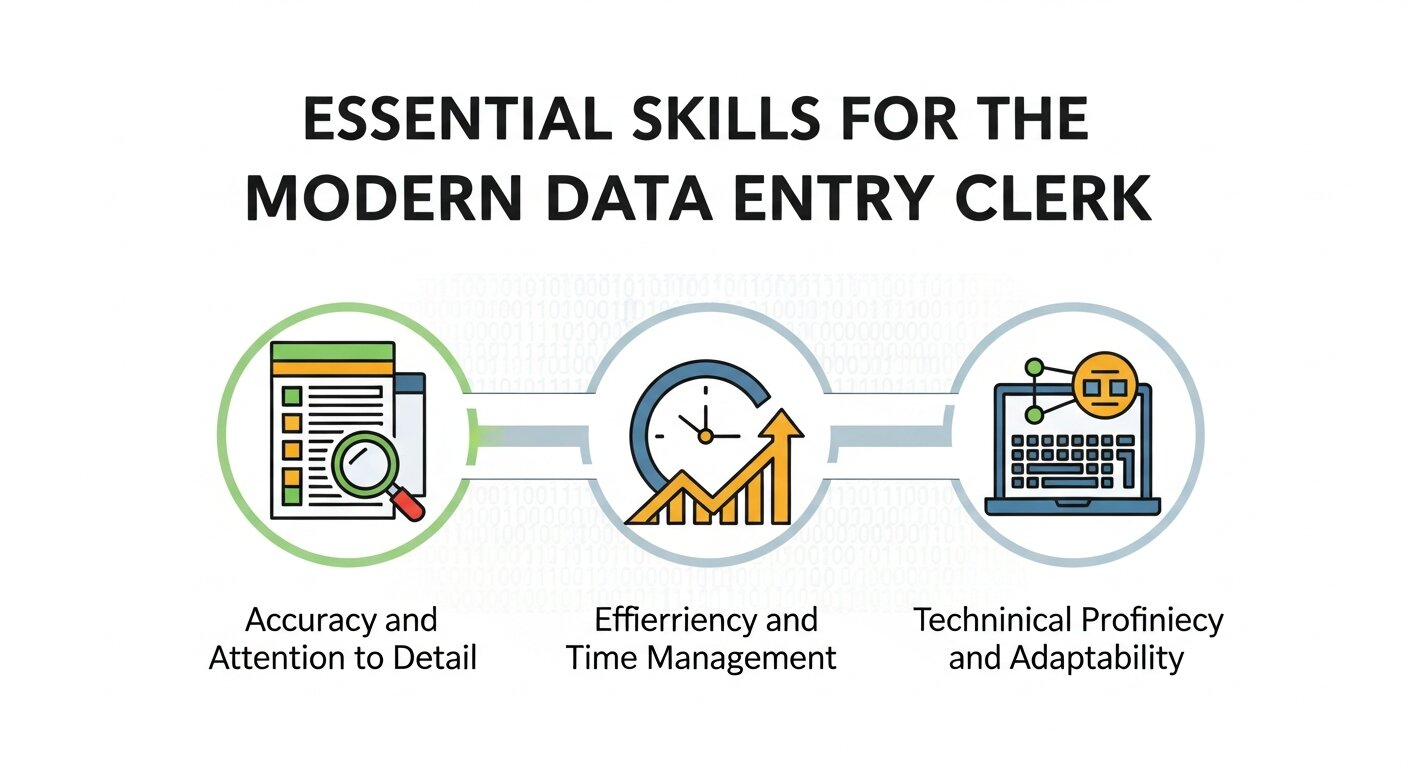
To excel, one needs more than just a fast typing speed. The modern toolkit includes:
| Skill Category | Essential Competencies |
| Technical | Mastering automation in excel data entry, SQL basics, and CRM navigation. |
| Software | Microsoft Excel, Google Sheets, Hubspot, and Salesforce. |
| Analytical | Understanding Marketing Analytics Tools and Customer Journey Mapping. |
| Soft Skills | Time management, attention to detail, and Basic Communication Skills. |
The Power of Automation
Efficiency is no longer just about WPM (Words Per Minute); it’s about Data Entry Automation Software. A savvy Data Entry Clerk knows how to Automate excel spreadsheets and use Text expansion software to double their output. Learning to Automate browser data entry using scripts or tools can turn a manual eight-hour task into a one-click process.
Industry-Specific Applications of Data Entry
The versatility of a Data Entry Clerk means they are needed everywhere, from healthcare to Fashion Marketing.
1. E-commerce and Retail
In retail, clerks manage inventory and sales data, which feeds into Effective Retail Marketing Analytics. This data helps brands understand Consumer Brand Marketing trends and adjust their Brand Positioning Strategy accordingly.
2. Marketing and Lead Generation
Data entry is the backbone of B2B Lead Generation. By maintaining clean databases, clerks allow marketing teams to execute Outbound Email Marketing and Inbound Marketing campaigns with precision.
3. Healthcare and Medical Coding
This specialized branch requires extreme attention to detail to ensure patient records and insurance claims are processed without error, supporting the broader Digital Payment Solution infrastructure.
Navigating the Career Path: Growth and Specialization
Starting as a Data Entry Clerk is often the first step toward a lucrative career in data science or management.
- Data Analyst: By mastering Digital Marketing Analytics and Advanced Web Analytics, a clerk can move into roles that interpret data rather than just enter it.
- Virtual Assistant: Many clerks pivot into being a Virtual Assistant, offering broader administrative support including Successful Webinar Planning and Email Marketing Services.
- Database Administrator: Specializing in Automated crm data entry and system architecture can lead to high-level IT roles.
How to Stand Out: Upskilling and Certifications
In a competitive market, having a Marketing analytics certificate or being proficient in Event Tech Tools can make a resume shine. Understanding the Psychology of Trend Marketing or how to Measuring SEO Success adds layers of value to your profile that basic typing cannot match.
The Impact of AI and Automation on Data Entry

There is a common misconception that Artificial intelligence in business will replace the Data Entry Clerk. In reality, AI is a partner.
- Automated data entry xero: Automates the “boring” parts of bookkeeping.
- Automated crm data entry: Keeps client lists updated without manual typing for every field.
- Website data entry automation: Uses bots to scrape or input data, which the clerk then audits for quality.
By embracing Business process automation tools, clerks transition into “Data Quality Managers,” overseeing the AI to ensure Brand Consistency and data hygiene.
Maximizing Efficiency with Advanced Tools
To become a top-tier Data Entry Clerk, you should familiarize yourself with the following:
- Text Expansion Software: To quickly insert frequently used phrases.
- Automate browser data entry: Using extensions like Selenium or specialized Event Marketing Analytics tools.
- CRM Integration: Mastering how to Automate website data entry into platforms like Salesforce or Hubspot.
Advanced Data Entry Techniques: Moving Beyond Manual Input
To transition from a junior to a senior Data Entry Clerk, one must move past simple typing. Modern data management focuses on Mastering real time data—the ability to process information as it happens.
1. Harnessing Text Expansion Software
Top-tier clerks use Text expansion software to create “snippets” for repetitive strings of data. Instead of typing “Customer Relationship Management,” a clerk might type ;crm, and the software automatically fills the rest. This drastically improves WPM while maintaining 100% accuracy.
2. Mastering Automation in Excel Data Entry
Excel is the primary playground for many data professionals. Mastering automation in excel data entry involves using:
- VLOOKUP and XLOOKUP: To pull data from multiple sheets instantly.
- Macros: To record repetitive formatting tasks and execute them with one click.
- Power Query: To Automate excel spreadsheets by importing and cleaning data from external websites or databases automatically.
3. Automate Browser Data Entry
When a Data Entry Clerk needs to move info from a website to a database, manual copying is a bottleneck. Using tools to Automate browser data entry (like Selenium or browser-based RPA tools) allows the clerk to scrape information efficiently, ensuring that Real Time Trend Marketing data is always current.
Data Entry in Specialised Marketing Ecosystems

The modern Data Entry Clerk often finds themselves embedded in marketing departments. Here, the role supports Digital Marketing Analytics by ensuring the “raw numbers” are clean before they reach the strategy phase.
Supporting the Webinar Sales Funnel
Virtual events are massive data generators. A clerk may be responsible for:
- Webinar Lead Generation Strategies: Sorting through attendee lists to identify high-value prospects.
- Automated CRM Data Entry: Ensuring every person who attends a Salesforce Webinar is correctly tagged in the system.
- Follow-Up Emails: Entering data into email marketing platforms like Mailchimp or HubSpot to trigger automated workflows.
Enhancing Brand Awareness and Positioning
Data entry isn’t just about numbers; it’s about Brand Perception In Marketing. Clerks often monitor Digital Reputation Management platforms, entering customer feedback into sentiment analysis tools. This data allows a company to refine its Brand Positioning Strategy and maintain Brand Consistency across different regions.
The Role of Artificial Intelligence in Business Process Automation
As we move further into the decade, Artificial intelligence in business is no longer a futuristic concept—it is a daily tool for the Data Entry Clerk.
| AI Application | Impact on Data Entry |
| OCR (Optical Character Recognition) | Allows for Manual invoice data entry to be replaced by automated scanning, where the clerk only verifies the “flags.” |
| Predictive Trend Marketing | AI analyzes entry patterns to suggest the next likely entry, speeding up the process. |
| Automated Data Entry Xero | AI categorizes expenses automatically, requiring the clerk to act as an auditor rather than a typist. |
By learning Business process automation tools, a clerk shifts from “the person who types” to “the person who manages the system that types.” This is the key to longevity in the Data Entry Clerk career path.
Data Entry for E-Commerce and Global Logistics
In the world of Consumer Brand Marketing, data entry is the engine of the supply chain.
- Inventory Management: Clerks must Automate website data entry to reflect real-time stock levels. If a product goes viral due to Viral Marketing on Tiktok, the data entry must be instantaneous to prevent overselling.
- Luxury Brand Marketing Strategy: High-end brands require meticulous data entry regarding customer preferences to provide a personalized “white glove” service.
- Digital Payment Solutions: Clerks ensure that transaction data from Digital Payment Solutions aligns with internal accounting, a process often streamlined through Automated data entry xero.
Professional Ethics: Privacy, Security, and Reputation

A Data Entry Clerk often has “the keys to the kingdom.” Whether it’s Personal Reputation Management data or private B2B Lead Generation lists, the ethical responsibility is immense.
- Crisis Management Services: In the event of a data breach, clerks often assist in Brand Crisis Management by auditing logs to see what data was accessed.
- Ethical Branding: Ensuring that data is collected and entered in compliance with GDPR and other privacy laws is a core part of Brand Safety In Digital Marketing.
Future-Proofing Your Career
If you want to move from Manual data entry to a high-paying role, consider these niche areas:
- Marketing Analytics Certificate: This proves you can do more than enter data; you can analyze it.
- Web Design & Development: Understanding how data flows from a “Contact Us” form into a CRM helps you Automate browser data entry more effectively.
-
App Development Services: Providing data entry support for beta testing new mobile applications.
Conclusion
The role of a Data Entry Clerk is a dynamic and essential component of modern business. By blending traditional typing skills with a mastery of Data Entry Automation Software and Marketing Analytics, you can transform this entry-level position into a thriving, long-term career. Start building your technical toolkit today to become an indispensable asset in the data-driven world.
Frequently Asked Questions
1. What is the average typing speed required for a Data Entry Clerk?
Most employers look for a minimum of 50 to 80 WPM. However, accuracy is more important than raw speed. Using Text expansion software can help increase your effective speed.
2. Can I work as a Data Entry Clerk remotely?
Yes. With the rise of the gig economy and Virtual Eventeering, many companies hire remote clerks. You just need a stable internet connection and proficiency in Automate excel spreadsheets.
3. Is data entry a good entry-level job for a career in Marketing?
Absolutely. It provides a deep understanding of Marketing Analytics Data and Customer Journey Analytics, which are foundational for any Digital Marketing Expert Role.
4. How does automation affect data entry jobs?
While Data Entry Automation Software handles repetitive tasks, it increases the demand for clerks who can manage these tools and verify the output. It shifts the role toward Data Entry Automation management.
5. What software should I learn?
Start with Microsoft Excel and Google Sheets. Then, move to CRMs like Hubspot and Salesforce, and accounting tools like Xero.
6. Does a Data Entry Clerk need to understand SEO?
While not mandatory, understanding how to Measuring SEO Success and manage Video SEO data can help you land roles in digital marketing agencies.
7. Are there specialized roles within data entry?
Yes, such as Medical Transcriptionists, Legal Data Clerks, and Chemical Market Analytics assistants.
8. How do I include data entry skills on a resume?
Highlight your WPM, accuracy rate, and proficiency in tools like Automate browser data entry or Webinar in Resume contexts if you supported virtual events.
9. What is the difference between manual and automated data entry?
Manual data entry involves human typing, while Automated data entry uses software to pull data from one source to another. The latter is faster but requires human oversight.
10. Is data entry a stressful job?
It can be repetitive, but for those who enjoy organization and “the flow” of managing information, it is highly rewarding and offers great work-life balance.