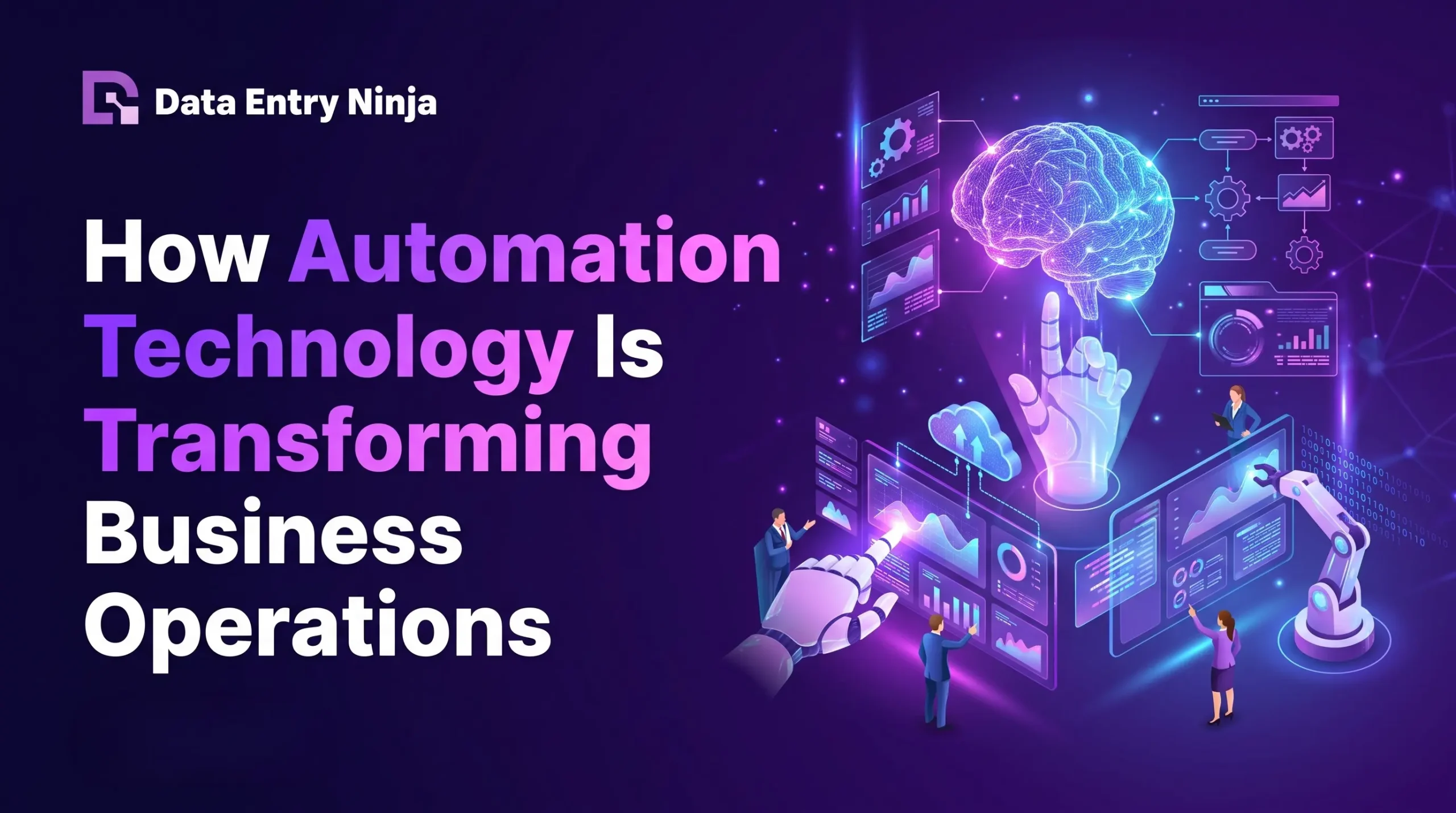
Automation technology is transforming how businesses manage daily operations, improve productivity, and deliver better customer experiences. From automating repetitive administrative tasks to managing marketing campaigns and analyzing business data, modern automation solutions help organizations reduce manual workloads and use resources more efficiently.
As digital competition increases, companies are adopting automation technology to simplify workflows, reduce operational costs, and improve decision-making. Technologies such as artificial intelligence, robotic process automation, and cloud-based workflow systems are changing how teams communicate and collaborate. Businesses are also using Brand automation, AI brand strategy, and Email marketing automation to create consistent brand experiences, personalize communication, and improve marketing performance. Understanding these technologies helps organizations identify practical opportunities to modernize their operations and build a more efficient business environment.
What Is Automation Technology?
Automation technology refers to tools, software, and systems that perform tasks or processes with limited manual intervention. These solutions follow predefined rules, use data to trigger actions, or apply artificial intelligence to support more complex activities. Businesses use automation across departments, including finance, customer service, human resources, operations, sales, and marketing.
Automation can be as simple as sending an automatic confirmation email or as advanced as coordinating multiple business systems through an integrated workflow. The objective is not necessarily to eliminate human involvement but to make processes more reliable, consistent, and efficient. When implemented thoughtfully, automation allows employees to spend less time on repetitive work and more time solving problems, building relationships, and supporting business development.
How Business Automation Works
Business automation begins by identifying a process that can be completed through software or connected systems. The process is then configured with rules, triggers, schedules, or decision criteria that determine when specific actions should occur.
For example, when a customer submits an inquiry form, an automated system can record the information, notify the sales team, and send a confirmation message. More advanced systems can assign leads, update customer records, and initiate follow-up communication. Clear workflows and appropriate human oversight help ensure that automation supports business objectives without creating unnecessary complexity.
How Automation Technology Improves Operational Efficiency
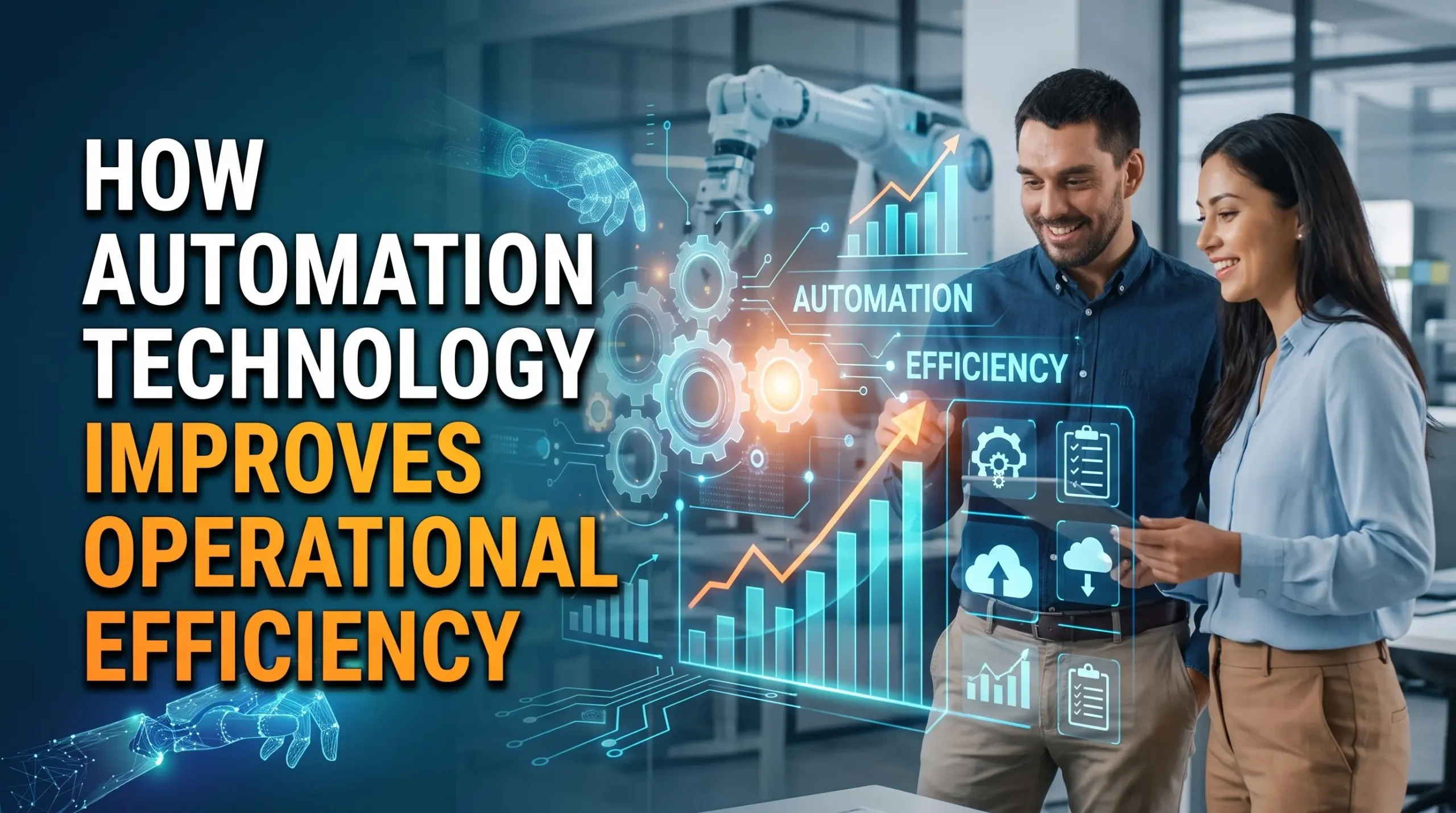
Operational efficiency depends on completing business activities accurately, consistently, and with appropriate use of time and resources. Automation technology helps organizations reduce repetitive manual work, standardize routine procedures, and coordinate tasks across teams. These improvements can reduce delays and allow employees to concentrate on responsibilities that require creativity, judgment, and personal interaction.
Reducing Repetitive Manual Tasks
Many business operations involve recurring activities such as data entry, appointment scheduling, invoice processing, report generation, and document management. Completing these tasks manually can consume valuable time and introduce avoidable errors, particularly when employees handle large volumes of information.
Automation tools can execute routine activities according to predefined rules and process information consistently. For instance, accounting software can generate invoices, while workflow platforms can route documents to the appropriate department. Employees can then review exceptions, address complex cases, and focus on higher-value work instead of repeatedly performing the same actions.
Improving Workflow Coordination
Disconnected processes can create communication gaps and slow down important business activities. Workflow automation connects tasks, systems, and team members so that information moves more efficiently between stages. Automated notifications, task assignments, approval requests, and status updates help employees understand what needs attention and when action is required.
A coordinated workflow also makes responsibilities clearer. Managers can monitor progress, identify bottlenecks, and improve processes based on operational data. By reducing unnecessary handoffs and delays, businesses can create more predictable operations and improve collaboration across departments.
The Role of Artificial Intelligence in Business Automation
Artificial intelligence is expanding automation beyond simple, rule-based tasks. AI-powered systems can analyze information, identify patterns, summarize documents, assist with customer inquiries, and support certain decisions. These capabilities help businesses manage complex information and respond more efficiently to changing customer and operational needs.
Using AI for Smarter Business Decisions
AI-powered analytics can process large amounts of business data and identify trends that may be difficult to recognize manually. Businesses can use these insights to understand customer behaviour, forecast demand, monitor performance, and identify operational inefficiencies.
For example, an ecommerce company may analyze sales patterns to improve inventory planning, while a service provider may use customer inquiry data to identify frequently requested services. AI-generated insights should still be reviewed against reliable data and business context. Human oversight remains important when decisions involve financial risk, sensitive information, or significant consequences.
Supporting Employees With Intelligent Tools
AI assistants can help employees draft communications, summarize meetings, organize information, and retrieve relevant documents. When integrated into established workflows, these tools can reduce administrative effort and improve access to information.
However, automation should not remove necessary quality checks. Businesses need clear guidelines for reviewing AI-generated content, protecting confidential information, and verifying factual accuracy. Combining intelligent tools with human expertise allows organizations to benefit from automation while maintaining accountability and professional standards.
How Brand Automation Strengthens Brand Consistency
Brand automation uses digital tools and predefined processes to maintain consistent brand communication across marketing channels and customer interactions. Businesses often produce social media posts, email campaigns, promotional materials, presentations, and website content. Managing these activities manually can create inconsistencies in messaging, visual identity, and publishing schedules.
Maintaining Consistent Brand Messaging
Automated content workflows can help teams organize approved messaging, reusable templates, brand assets, and publishing schedules. These resources make it easier for employees to follow established brand guidelines when creating or distributing marketing materials.
Consistency matters because customers interact with businesses across different platforms. A recognizable visual identity, consistent tone of voice, and accurate service information help create a more coherent brand experience. Brand automation can support this process, but businesses should continue reviewing important communications to ensure they remain relevant, accurate, and appropriate for their audiences.
Simplifying Brand Asset Management
Brand asset management systems help organizations store and distribute approved logos, images, design templates, and marketing documents. Automation can assist with organizing assets, managing approvals, notifying team members about updates, and controlling access to current materials.
This approach reduces the risk of outdated branding appearing in campaigns or presentations. It can also save time when multiple departments, agencies, or regional teams need access to the same approved resources. Clear ownership and regular reviews help ensure that automated asset workflows remain organized and useful.
How AI Brand Strategy Supports Business Growth
AI brand strategy combines artificial intelligence with brand planning to help businesses understand their audiences, evaluate market trends, and develop more relevant brand communication. AI tools can support audience research, sentiment analysis, competitor monitoring, and content planning, giving marketing teams additional information for strategic decisions.
Understanding Customer Preferences
AI-powered analysis can help businesses identify common customer questions, recurring feedback, and patterns in purchasing behaviour. These insights can inform brand positioning, messaging priorities, and content development. For example, a business may discover that customers value transparent pricing or responsive support and then emphasize those benefits in its communications.
Customer data must be collected and used responsibly. AI-generated conclusions should be checked for bias, inaccuracies, and missing context before they influence brand decisions. Human interpretation ensures that strategy reflects actual customer needs rather than relying entirely on automated recommendations.
Personalizing Brand Communication
Personalization helps businesses deliver relevant messages to different audience segments. Automation systems can organize audiences according to preferences, previous interactions, or other appropriate data points and then tailor communication accordingly.
AI brand strategy can support more consistent personalization across email, websites, and digital advertising. Businesses should avoid excessive messaging and intrusive targeting. Respecting customer preferences and privacy helps maintain trust while making brand communication more useful and relevant.
The Benefits of Email Marketing Automation
Email marketing automation enables businesses to send scheduled or trigger-based messages according to customer actions, preferences, and lifecycle stages. Instead of manually managing every communication, marketing teams can create workflows that deliver relevant messages when specific conditions are met.
Automating Customer Follow-Ups
Automated follow-up emails help businesses maintain communication after someone subscribes, downloads a resource, requests information, or makes a purchase. A welcome email can introduce a brand, while a follow-up sequence can explain services, answer common questions, or share helpful educational content.
These workflows reduce the need for repetitive manual outreach and help ensure that customers receive timely information. Businesses should create clear frequency limits, maintain accurate contact lists, and provide straightforward unsubscribe options. Relevant communication is more valuable than sending a high volume of messages without considering customer interests.
Improving Campaign Performance
Email marketing automation platforms can track delivery, opens where measurable, clicks, conversions, and unsubscribe activity. These insights help marketers evaluate whether campaigns are meeting their objectives and identify opportunities for improvement.
For example, businesses can test different subject lines, calls to action, or message formats. They can also segment subscribers to deliver more relevant content. Campaign results should be evaluated using meaningful business outcomes, such as qualified leads or completed purchases, rather than relying on a single engagement metric.
How Automation Technology Improves Customer Experience

Customer experience depends on how easily people can find information, receive support, complete transactions, and resolve problems. Automation technology can help businesses respond more quickly, provide consistent information, and reduce unnecessary waiting during common interactions.
Chatbots can answer routine questions, provide service information, and direct customers to appropriate resources. Automated appointment reminders and order updates can keep customers informed, while customer relationship management systems can help teams maintain organized interaction histories.
Nevertheless, automated systems should provide a clear path to human assistance when questions become complex or customers need individual attention. Poorly configured automation can create frustration if it repeatedly provides irrelevant answers. Businesses should regularly evaluate customer feedback and ensure that automated interactions remain helpful, accessible, and accurate.
Challenges Businesses Should Consider Before Implementing Automation
Although automation offers significant benefits, successful implementation requires planning. Businesses may encounter integration difficulties, initial setup costs, employee training requirements, data-quality problems, and security concerns. Automating an inefficient process without reviewing it first can also make existing problems happen faster or across a larger scale.
Organizations should begin by identifying processes with clear objectives and measurable outcomes. They should assess whether existing systems can integrate with the proposed tools and establish appropriate permissions for accessing business information. Employees also need training to understand how automated workflows operate and when human intervention is necessary.
Conclusion
Automation technology is transforming business operations by reducing repetitive work, improving workflow coordination, supporting data-driven decisions, and helping organizations deliver more consistent customer experiences. From intelligent business tools to Brand automation, AI brand strategy, and Email marketing automation, these solutions offer practical opportunities to improve efficiency across departments.
Successful automation requires more than adopting new software. Businesses must understand their operational challenges, select suitable tools, protect data, train employees, and monitor performance. When automation is aligned with clear business goals and supported by human judgment, organizations can improve productivity, strengthen customer relationships, and build a more adaptable foundation for sustainable growth.
Frequently Asked Questions (FAQs)
1. What Is Automation Technology in Business?
Automation technology uses software, digital systems, and intelligent tools to perform tasks with limited manual intervention. Businesses apply it to activities such as data entry, workflow management, reporting, customer communication, and marketing.
2. How Does Automation Technology Improve Business Operations?
It reduces repetitive work, improves process consistency, minimizes certain manual errors, and helps teams complete tasks more efficiently. Automation can also improve visibility into workflows and support better resource management.
3. What Is Brand Automation?
Brand automation uses tools and standardized workflows to maintain consistent brand messaging, visual identity, marketing materials, and publishing processes across different channels and teams.
4. How Does AI Brand Strategy Help Businesses?
AI brand strategy uses AI-supported research and analysis to understand audience preferences, identify trends, and improve brand communication. Human review remains essential for ensuring that strategic decisions are accurate and appropriate.
5. What Is Email Marketing Automation?
Email marketing automation sends emails automatically when specific events or conditions occur. Businesses use it for welcome messages, customer follow-ups, lead nurturing, purchase confirmations, and other relevant communications.
6. Can Automation Technology Reduce Business Costs?
Yes, automation can reduce certain labour-intensive tasks, processing delays, and avoidable errors. The actual savings depend on implementation costs, maintenance requirements, workflow complexity, and how effectively the system is used.
7. Is Automation Technology Suitable for Small Businesses?
Yes, small businesses can automate activities such as appointment scheduling, invoice generation, email campaigns, customer follow-ups, and lead management. Starting with simple, high-value processes can make implementation more manageable.
8. What Are the Main Challenges of Business Automation?
Common challenges include integration issues, setup costs, employee training, data security, and maintaining accurate information. Careful planning, testing, and ongoing monitoring can help businesses address these risks.
9. Will Automation Technology Replace Human Employees?
Automation can replace or reduce the need for certain repetitive tasks, but many business activities still require creativity, judgment, empathy, and complex problem-solving. It often works best when supporting employees rather than replacing human oversight entirely.
10. How Can a Business Start Implementing Automation Technology?
A business can begin by identifying repetitive tasks, documenting current workflows, defining measurable goals, and selecting suitable tools. Testing a small workflow, training employees, and reviewing results helps establish a practical foundation for broader automation.