Understanding the AI Impact on Data Entry
The rise of AI is transforming how organizations manage information, making data entry upskilling strategies more important than ever. Tasks once handled manually by a Data Entry Clerk are now increasingly supported by intelligent automation systems. While AI reduces repetitive workloads and improves processing speed, it also requires workers to develop stronger technical skills. To stay relevant, professionals must upgrade their data entry upskilling strategies by learning how tools like Data Entry with AI OCR extract, process, and structure information. Rather than replacing jobs entirely, AI is reshaping them into more analytical roles. Understanding this shift helps individuals prepare for future opportunities and build stronger digital competencies in modern workplaces.
Learning Advanced Keyboard and Typing Skills

Strong typing speed and accuracy remain essential in modern data entry upskilling strategies, even in highly automated environments. Although AI tools assist with data processing, human validation is still necessary to ensure accuracy and reliability. A Data Entry Clerk who improves typing efficiency can significantly increase productivity and reduce errors. Practicing touch typing, shortcut commands, and ergonomic techniques enhances performance and speed. Many professionals combine these improvements with data entry upskilling strategies to stay competitive. Even when companies implement automated data entry systems, human oversight is still required for corrections and verification. Developing fast and accurate keyboard skills ensures smooth collaboration with AI tools while maintaining consistent, high-quality output in daily operations.
Mastering Spreadsheet and Database Tools
Spreadsheets and databases are core elements of effective data entry upskilling strategies in today’s digital workplaces. Tools like Microsoft Excel, Google Sheets, and SQL-based systems are widely used for organizing and analyzing large datasets. A skilled Data Entry Clerk must understand formulas, filters, sorting functions, and data validation techniques. These abilities remain essential even when using Data Entry with AI OCR systems, as automated outputs often require manual structuring and cleanup. Practicing advanced spreadsheet functions helps reduce dependency on automation while improving accuracy. Many companies integrate Automate Data Entry tools with cloud databases, making technical knowledge even more valuable. Strengthening these data entry upskilling strategies ensures better workflow efficiency and long-term career growth.
Embracing Automation Tools in Data Entry
Modern workplaces rely heavily on automation, making data entry upskilling strategies essential for career adaptation. Tools designed to Automate Data Entry significantly reduce repetitive manual work and increase overall efficiency. However, professionals must learn how to operate, monitor, and troubleshoot these systems effectively. A Data Entry Clerk who understands automation platforms becomes far more valuable to employers. Integrating Data Entry with AI OCR allows documents to be scanned and converted into editable formats instantly, saving time and effort. Developing strong data entry upskilling strategies around automation ensures workers can collaborate with AI rather than be replaced by it. This balance between human expertise and machine efficiency defines the future of data-driven industries.
Improving Data Accuracy and Quality Control
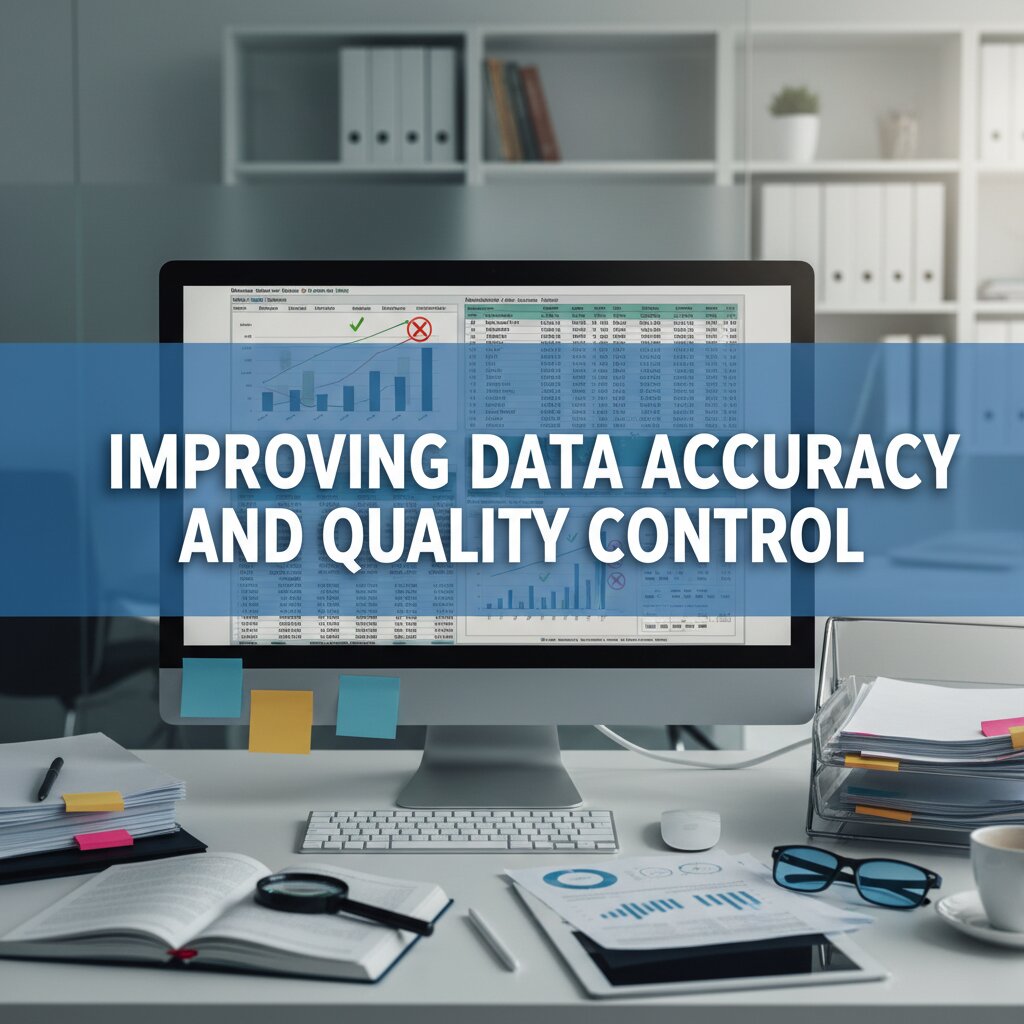
Accuracy plays a critical role in effective data entry upskilling strategies, especially in AI-supported environments. Even though Automate Data Entry tools reduce manual effort, errors can still occur during processing or system interpretation. A Data Entry Clerk must be trained in verification techniques, data cleaning, and consistency checks. Using Data Entry with AI OCR improves speed, but human oversight is essential to ensure reliable results. Strengthening data entry upskilling strategies in quality control helps organizations maintain accurate and trustworthy databases. Professionals should learn to identify duplicates, fix formatting issues, and validate entries properly. These skills ensure that automated systems deliver meaningful data that supports better decision-making and operational efficiency across business processes.
Developing AI and OCR Tool Proficiency
Understanding AI-powered tools is a key part of modern data entry upskilling strategies. Technologies like Data Entry with AI OCR help convert printed or handwritten documents into digital formats quickly and efficiently. A Data Entry Clerk who understands how these systems function can significantly improve productivity. However, proper configuration, monitoring, and error correction are essential to maintain accuracy. Many Automate Data Entry platforms now rely on OCR combined with machine learning models to enhance performance. By strengthening data entry upskilling strategies in AI tool usage, professionals can reduce manual workload while improving output quality. This expertise is increasingly valuable in industries handling large volumes of structured and unstructured data daily.
Strengthening Analytical and Problem-Solving Skills
Modern data entry upskilling strategies go beyond simple typing and require analytical thinking. As automation handles repetitive tasks, human workers must focus more on interpreting and validating information. A Data Entry Clerk with strong problem-solving skills can quickly identify inconsistencies or errors in datasets. When working with Automate Data Entry systems, unexpected mismatches may occur that require logical troubleshooting. Similarly, outputs from Data Entry with AI OCR must always be reviewed for accuracy. Enhancing data entry upskilling strategies in analysis helps professionals support better decision-making processes. These abilities transform traditional data entry roles into more strategic positions, increasing long-term career value and workplace contribution.
Benefits of AI in Data Entry
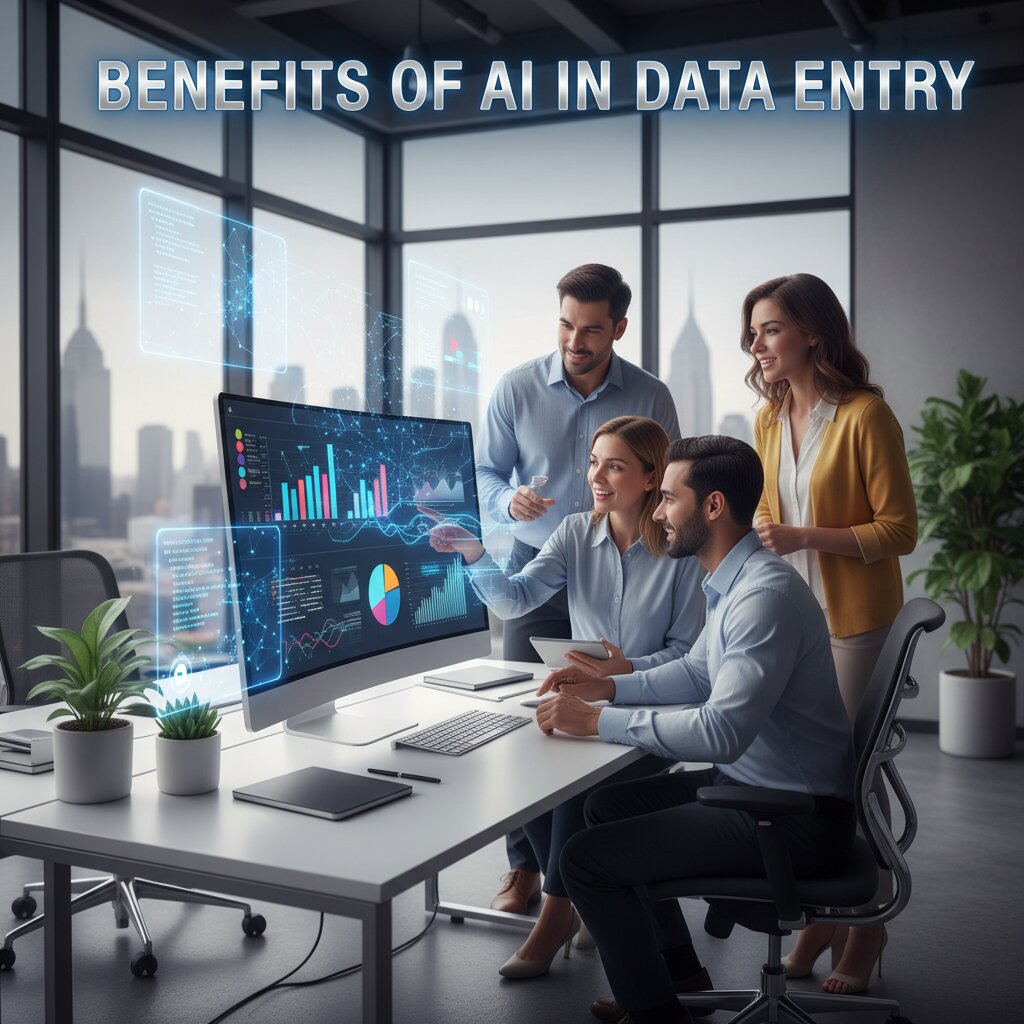
AI is transforming modern workflows, making data entry upskilling strategies more valuable for professionals. With tools like Automate Data Entry and Data Entry with AI OCR, organizations can process large volumes of data quickly and accurately. A Data Entry Clerk can now focus more on verification and analysis rather than repetitive typing tasks. AI reduces human error, increases productivity, and improves data consistency across systems. However, to fully benefit from these technologies, workers must upgrade their skills and adapt to new digital environments. Strong data entry upskilling strategies help professionals collaborate effectively with AI systems and improve career opportunities in data-driven industries.
Key Benefits:
- Faster data processing
- Reduced human errors
- Improved accuracy
- Better productivity
- Enhanced workflow automation
| Feature | Manual Data Entry | AI-Powered Data Entry |
|---|---|---|
| Speed | Slow | Very Fast |
| Accuracy | Moderate | High |
| Cost Efficiency | Low | High |
| Human Effort | High | Low |
Learning Data Security and Compliance Basics
Security awareness is a vital part of data entry upskilling strategies, especially when dealing with sensitive or confidential information. A Data Entry Clerk must understand data protection policies, confidentiality rules, and safe handling practices. With the increasing use of automated data entry systems, data is often stored in cloud environments, making cybersecurity even more important. Tools like Data Entry with AI OCR process large volumes of business and personal data that must be protected from unauthorized access. Strengthening data entry upskilling strategies in compliance helps organizations avoid legal risks and data breaches. Learning encryption basics, secure access control, and safe storage practices ensures professionals contribute to a safer and more reliable data ecosystem.
Building Career Growth in Data Entry Roles
Career advancement depends heavily on adopting effective data entry upskilling strategies in today’s evolving job market. A Data Entry Clerk who continuously improves technical, analytical, and automation-related skills can transition into higher roles such as a data-driven marketing or operations specialist. Exposure to Automate Data Entry tools and Data Entry with AI OCR creates opportunities to work in more advanced digital environments. Organizations increasingly prefer employees who invest in continuous data entry upskilling strategies aligned with AI-driven workflows. Combining technical expertise with soft skills like communication and problem-solving can unlock better career opportunities and higher salaries. Continuous learning ensures long-term stability and relevance in a rapidly changing, technology-driven workplace.