Marketing teams chase the same elusive goal: results that show up reliably, month after month, without burning out the people behind the campaigns. The problem is that manual marketing rarely scales. You can write one brilliant email, but writing 50,000 personalized versions of it? That’s where things break down.
Automated marketing closes this gap. By handing repetitive, data-heavy tasks to software, you free your team to focus on strategy, creativity, and the human touches that machines can’t replicate. The payoff is consistency—campaigns that run on schedule, respond to customer behavior in real time, and keep your brand visible even when no one is at the keyboard.
This guide breaks down the automated marketing strategies that actually deliver steady, measurable results. You’ll learn how to build workflows that nurture leads, how AI-powered branding keeps your messaging on point, and how automated brand tracking helps you measure what’s working. Whether you’re just starting to automate or looking to tighten an existing system, these strategies will help you get more from less effort.
What Is Automated Marketing?
Automated marketing is the use of software to perform marketing tasks and workflows that would otherwise require manual effort. Think of scheduled social posts, triggered email sequences, lead scoring, and personalized product recommendations—all running without someone pressing a button each time.
The core idea is simple: set up the rules once, then let the system execute them at scale. A customer signs up for your newsletter, and an automated welcome sequence kicks off. A shopper abandons their cart, and a reminder email lands in their inbox an hour later. These actions happen instantly, around the clock, for thousands of customers at once.
What separates good automation from a clunky “set it and forget it” approach is relevance. The best automated marketing feels personal. It responds to what each customer actually does, rather than blasting the same generic message to everyone on your list.
Why Consistency Matters More Than Bursts of Effort

Plenty of brands can pull off a single viral moment. Far fewer can show up consistently, week after week, with a steady stream of relevant content. Consistency is what builds trust, and trust is what drives long-term revenue.
Automated marketing makes consistency achievable. When your email sequences, social posts, and ad campaigns run on predictable schedules, customers know what to expect from you. That reliability strengthens your brand and keeps you top of mind when buyers are ready to make a decision.
There’s also a practical benefit. Manual campaigns depend on people being available. Someone gets sick, takes a vacation, or simply forgets, and suddenly your carefully planned campaign stalls. Automation removes that fragility. The system keeps running, so your marketing momentum never depends on a single person’s calendar.
Core Automated Marketing Strategies That Work
The strategies below form the backbone of any reliable automation system. Each one tackles a different stage of the customer journey, and together they create a marketing engine that runs smoothly with minimal hands-on effort.
Email Automation and Lead Nurturing
Email remains one of the highest-ROI channels in marketing, and automation makes it even stronger. Instead of sending one-off blasts, you build sequences that respond to customer behavior.
A welcome series introduces new subscribers to your brand. A nurture sequence guides leads toward a purchase by sharing helpful content over time. A re-engagement campaign wins back customers who’ve gone quiet. Each of these runs automatically once you’ve set the triggers and written the content.
The key to effective email automation is segmentation. Group your audience by behavior, interests, or where they sit in the buying cycle, then tailor each sequence accordingly. A first-time visitor needs different messaging than a loyal repeat buyer, and automation lets you serve both without extra manual work.
Social Media Scheduling and Automation
Maintaining an active social presence by hand is exhausting. Automation tools let you plan, schedule, and publish content across platforms from a single dashboard.
Schedule a month of posts in one sitting, and the software publishes them at the times your audience is most active. Many tools also automate responses to common questions, freeing your team from repetitive replies. This keeps your accounts lively and responsive, even outside business hours.
The goal isn’t to remove the human element entirely. It’s to handle the routine publishing so your team can focus on real conversations, trend-jacking, and creative campaigns that need a human eye.
Personalized Customer Journeys
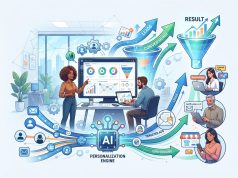
Modern customers expect experiences tailored to them. Automated marketing platforms track customer behavior and use it to trigger personalized actions across channels.
Say a customer browses a specific product category but doesn’t buy. The system can follow up with a targeted email, show relevant ads, and recommend similar products the next time they visit your site. These coordinated touchpoints feel attentive rather than intrusive, and they significantly boost conversion rates.
Building these journeys takes upfront planning. You map out the paths customers typically take, identify decision points, and design automated responses for each one. Once built, the system handles the heavy lifting, delivering the right message at the right moment to every customer.
Lead Scoring and Qualification
Not every lead is ready to buy. Lead scoring uses automation to rank prospects based on their behavior and characteristics, so your sales team focuses on the people most likely to convert.
The system assigns points for actions like opening emails, visiting pricing pages, or downloading a resource. When a lead crosses a certain threshold, it gets flagged as sales-ready and routed to your team. This removes the guesswork and ensures no hot lead slips through the cracks.
Automated lead scoring also improves efficiency. Sales reps spend their time on qualified prospects instead of chasing leads who aren’t ready, which shortens sales cycles and lifts close rates.
How AI-Powered Branding Keeps Your Messaging Consistent

Brand automation has come a long way. AI-powered branding tools now help ensure every piece of content—from emails to social posts to ad copy—stays true to your brand voice and visual identity.
These tools analyze your existing content to learn your tone, style, and messaging patterns. When your team creates new material, the system checks it against those standards and flags anything off-brand. The result is consistent messaging across every channel, even when multiple people contribute content.
AI-powered branding also speeds up production. Need ten variations of an ad headline that all match your brand voice? The software generates them in seconds, then your team refines and approves. This blend of speed and consistency is hard to achieve with manual processes alone.
For growing brands, this consistency is critical. As you add team members, channels, and campaigns, keeping everything on-brand becomes harder. Brand automation acts as a safeguard, maintaining a unified identity no matter how fast you scale.
Using Automated Brand Tracking to Measure Results
You can’t improve what you don’t measure. Automated brand tracking continuously monitors how your brand performs across channels, giving you real-time insight into what’s working and what needs adjustment.
These tools track metrics like brand mentions, sentiment, share of voice, and engagement across social media, review sites, and news outlets. Instead of manually compiling reports, you get a live dashboard that updates as data comes in. This lets you spot trends early and respond before small problems grow.
Automated brand tracking also reveals how customers actually perceive your brand. Sentiment analysis shows whether mentions are positive, negative, or neutral, helping you gauge the health of your reputation. If sentiment dips after a campaign, you’ll know quickly and can course-correct.
The data from brand tracking feeds directly back into your strategy. You learn which messages resonate, which channels drive the most engagement, and where your brand stands against competitors. Armed with these insights, you can fine-tune your automated campaigns for even better results.
Building an Automated Marketing System That Lasts
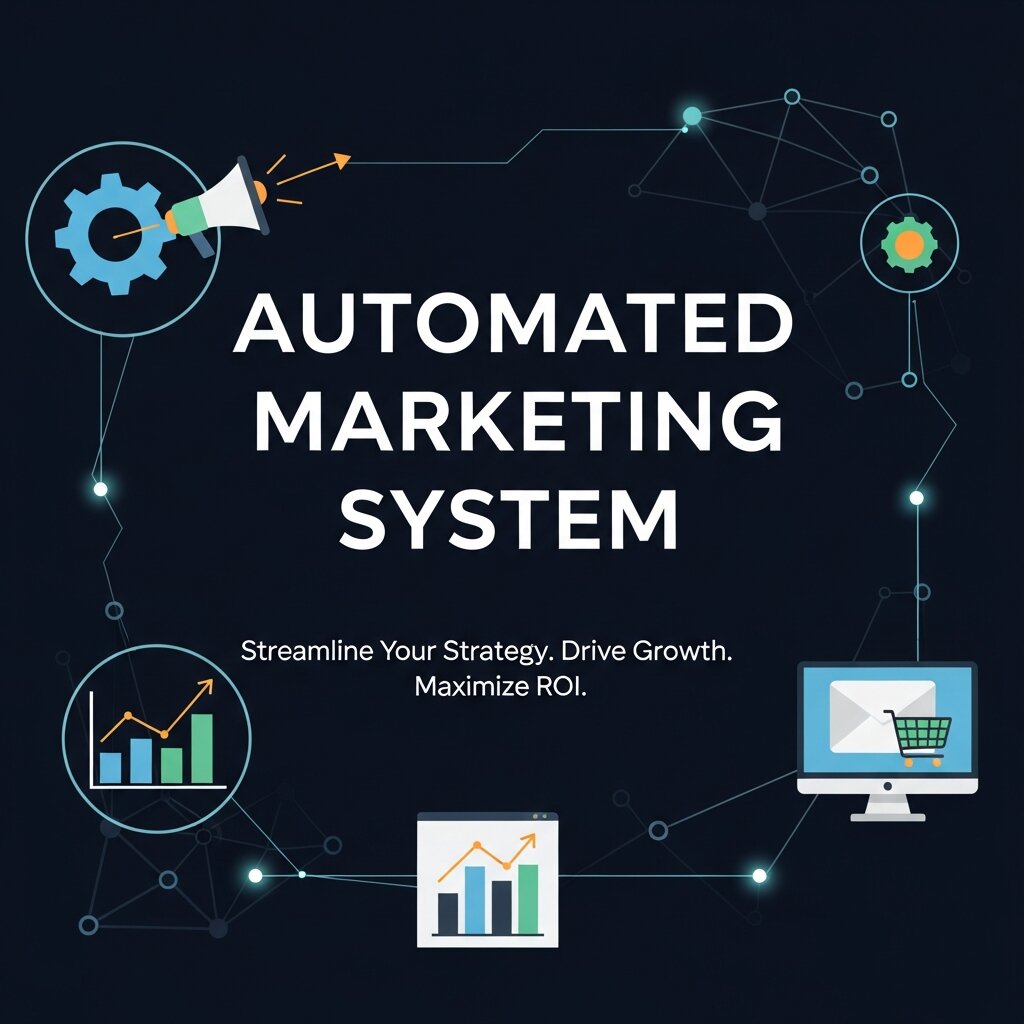
Strong automation isn’t about stacking tools. It’s about connecting them into a system where data flows freely and each piece reinforces the others.
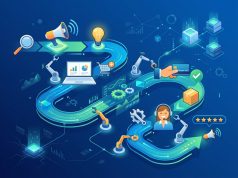
Start by mapping your customer journey from first contact to repeat purchase. Identify the repetitive tasks at each stage—these are your prime candidates for automation. Then choose tools that integrate well, so your email platform, CRM, social scheduler, and analytics all talk to each other.
Here’s a practical order to build in:
- Begin with email automation: It delivers quick wins and teaches you how automation behaves with your audience.
- Add lead scoring and segmentation: These sharpen your targeting and improve every campaign that follows.
- Layer in social and ad automation: Now your messaging stays consistent across channels.
- Integrate brand automation and tracking: These keep your identity unified and your performance measurable.
Test and refine constantly. Automation isn’t a one-time setup—it improves as you feed it more data and adjust based on results. Review your workflows regularly, kill the sequences that underperform, and double down on the ones that drive conversions.
FAQ: Automated Marketing
FAQ 1: What is automated marketing?
Automated marketing is the use of software and technology to perform repetitive marketing tasks automatically. It helps businesses streamline activities such as email campaigns, social media posting, lead nurturing, customer segmentation, and performance tracking while reducing manual effort.
FAQ 2: How does automated marketing benefit businesses?
Automated marketing improves efficiency, saves time, enhances customer experiences, increases lead conversions, and ensures consistent communication across multiple channels. It also allows teams to focus on strategy and creativity rather than routine tasks.
FAQ 3: What types of marketing activities can be automated?
Businesses can automate email campaigns, social media scheduling, lead scoring, customer onboarding, abandoned cart reminders, personalized recommendations, audience segmentation, and marketing analytics reporting.
FAQ 4: Is automated marketing only for large companies?
No. Businesses of all sizes can benefit from automated marketing. Many affordable automation platforms offer tools specifically designed for small and medium-sized businesses looking to scale their marketing efforts efficiently.
FAQ 5: What is lead nurturing in automated marketing?
Lead nurturing is the process of building relationships with potential customers through targeted and timely communications. Automated workflows deliver relevant content and messages based on a lead’s behavior, helping guide them toward a purchase decision.
FAQ 6: How does AI-powered branding support automated marketing?
AI-powered branding tools help maintain a consistent brand voice, messaging, and visual identity across campaigns. They can also generate content suggestions, monitor brand consistency, and improve marketing efficiency at scale.
FAQ 7: What is automated brand tracking?
Automated brand tracking uses technology to monitor brand mentions, customer sentiment, engagement, and overall brand performance across digital channels. It provides real-time insights that help businesses refine their marketing strategies.
FAQ 8: How can automated marketing improve customer engagement?
Automated marketing delivers personalized messages based on customer behavior, preferences, and interactions. This relevance increases engagement, strengthens relationships, and encourages customers to take desired actions.
FAQ 9: What should businesses consider before implementing automated marketing?
Before implementing automation, businesses should define clear goals, map their customer journey, choose the right tools, establish audience segments, and ensure their data is accurate and organized for effective targeting.
FAQ 10: How do you measure the success of automated marketing campaigns?
Success can be measured through key performance indicators (KPIs) such as conversion rates, email open rates, click-through rates, customer engagement, lead quality, customer retention, and overall return on investment (ROI).
Turning Automation Into Lasting Growth
Automated marketing rewards the brands willing to invest in solid foundations. The strategies covered here—email automation, social scheduling, personalized journeys, lead scoring, AI-powered branding, and automated brand tracking—work best when they operate together as a connected system rather than isolated tactics.
The brands that win with automation share a common trait: they treat it as a living process, not a finished project. They start small, measure everything, and expand what works. Over time, this approach builds a marketing engine that delivers consistent results while freeing the team to focus on the creative, strategic work that machines can’t do.