

Artificial intelligence is reshaping our reality, from how we work to how we live. By breaking down artificial intelligence, we uncover the mechanics behind the magic and its profound potential for the future.
This comprehensive guide explores the fundamentals of AI, moving from basic definitions to complex neural networks. We examine real-world applications in healthcare, data entry, and marketing, while addressing ethical challenges like bias and privacy. You will gain actionable insights on utilizing tools for Robotic Process Automation for Data Entry and strategies for Building AI solutions to stay competitive.
Deconstructing the “Magic” of AI
When we talk about breaking down artificial intelligence, we are essentially looking at how machines mimic human cognition. It is not just about robots taking over the world; it is about software systems that can learn, reason, and self-correct. To truly understand this, we must look past the sci-fi tropes and examine the code and data that drive these systems.
Breaking down artificial intelligence begins with data. Data is the fuel that powers the engine. Without massive datasets—ranging from text files and images to sensor readings—AI would simply be empty code. When you interact with a chatbot or receive a movie recommendation, the system is not “thinking” in the human sense. It is processing probabilities based on historical data.
How Does AI Work?
The question of “How Does AI Work” is best answered by looking at its subfields. AI is the umbrella term, but the real work happens in Machine Learning (ML) and Deep Learning.
- Input: The system receives data (e.g., a photo of a cat).
- Processing: Algorithms analyze the data for patterns (e.g., shapes of ears, texture of fur).
- Output: The system makes a prediction (e.g., “This is a cat”).
- Adjustment: If the prediction is wrong, the system adjusts its internal parameters to improve future accuracy.
This cycle happens millions of times, often leveraging Mastering Real-Time Data Syncing to ensure the information is current and accurate.
The Core Components of AI
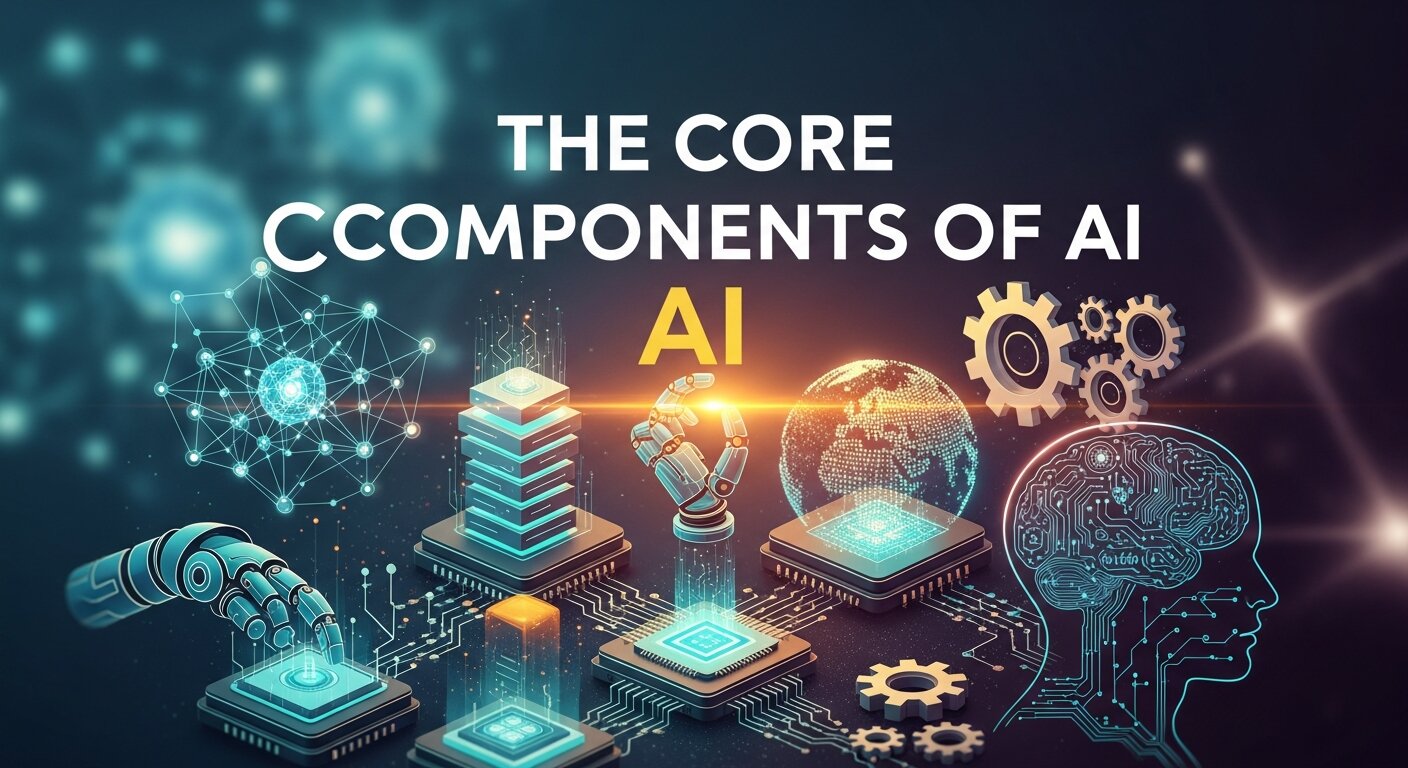
To continue breaking down artificial intelligence, we must categorize it into three distinct levels of capability.
1. Narrow AI (Weak AI)
This is the AI we have today. It is brilliant at specific tasks but helpless outside of them. A chess-playing AI cannot tell you the weather, and a weather AI cannot play chess.
- Examples: Siri, Alexa, Google Search algorithms, and Automated Data Entry AI.
2. General AI (Strong AI)
This is the theoretical stage where a machine possesses consciousness and cognitive abilities equal to a human. It could solve problems it has never seen before across any domain.
3. Superintelligent AI
This refers to a future state where machines surpass human intelligence in creativity, problem-solving, and emotional understanding.
|
Feature |
Narrow AI |
General AI |
|---|---|---|
|
Scope |
Specific, pre-defined tasks |
Universal problem solving |
|
Learning |
Needs training data |
Can learn autonomously |
|
Current Status |
Widely available |
Theoretical |
|
Example |
Netflix Recommendations |
C-3PO (Star Wars) |
The Data Revolution and Automation
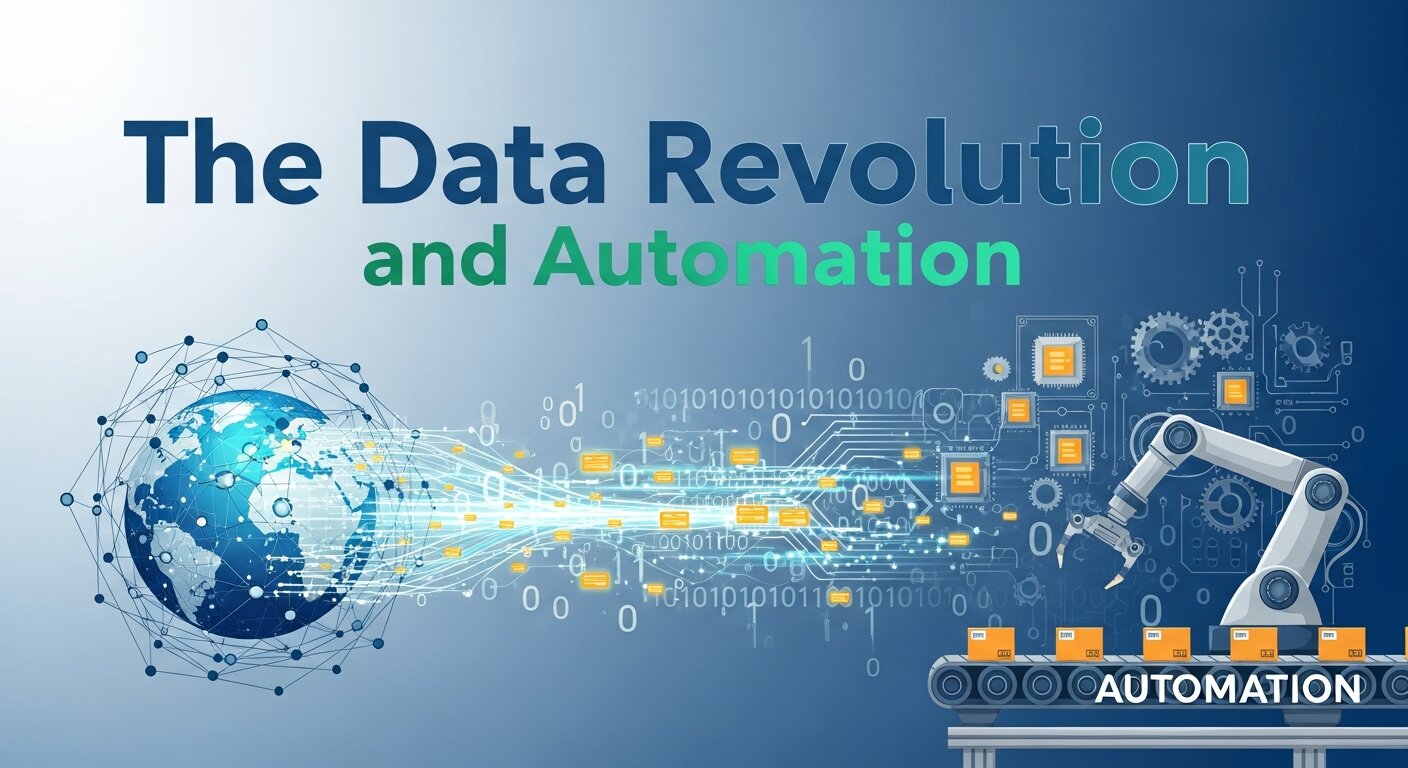
One of the most practical applications of breaking down artificial intelligence is seeing how it transforms mundane tasks. The era of manual typing is ending.
Robotic Process Automation for Data Entry
Businesses are flocking toward Robotic Process Automation for Data Entry. This technology uses software “bots” to mimic human interaction with digital systems. If your job involves copying numbers from an invoice and pasting them into a spreadsheet, RPA can do it faster and without errors.
Automate Manual Data Entry is no longer a luxury; it is a necessity for scaling. By using Python Data Entry Automation or tools like Power Automate Data Entry, companies can reduce processing times by up to 90%.
- OCR and AI: Optical Character Recognition (OCR) allows computers to “read” scanned documents. When combined with AI, the system doesn’t just see letters; it understands context. It knows that a specific string of numbers is a date or a total cost.
- Web Data Entry Automation: Tools can now scrape websites for competitor pricing and automatically populate databases, removing the need for human intervention.
For those using spreadsheets, learning How to Automate Data Entry in Excel or utilizing Excel Macros for Data Entry Automation is a game-changer. It frees up human workers to focus on analysis rather than transcription.
AI in Healthcare and Science
Breaking down artificial intelligence in the medical field reveals life-saving potential. Artificial Intelligence in Healthcare is currently being used to diagnose diseases earlier than human doctors can.
- Diagnostics: AI algorithms analyze X-rays and MRIs to spot tumors that are invisible to the naked eye.
- Drug Discovery: Building AI models that predict how different molecules will interact allows pharmaceutical companies to develop drugs in months rather than years.
- Personalized Medicine: AI analyzes a patient’s genetic makeup to recommend treatments that are specifically tailored to their biology, increasing efficacy and reducing side effects.
According to authoritative sources like Wikipedia, the integration of AI in clinical workflows is drastically reducing diagnostic errors.
Part 5: Marketing and Brand Positioning
In the world of business, breaking down artificial intelligence means understanding consumer behavior at a granular level. Marketing has shifted from a “spray and pray” approach to hyper-personalized targeting.
Digital Marketing and AI
Modern Digital Marketing Strategies rely heavily on AI. Platforms like Google and Facebook use machine learning to determine exactly who sees your ad and when.
- Predictive Analytics: AI analyzes past buying behavior to predict what a customer will want next.
- Content Creation: Tools can now assist in Creating Professional Application Documents or generating blog outlines, helping marketers scale their content efforts.
Emotional and Brand Marketing
AI is also making waves in Emotional Marketing. By analyzing sentiment in social media posts, brands can understand how customers feel about them. This allows for better Brand Positioning.
For example, Brand Storytelling can be optimized using data. AI tools analyze which narratives resonate most with specific demographics, allowing companies to craft stories that trigger the right emotional response. Whether it is Luxury Brand Marketing or Green Marketing, AI helps align the message with the audience’s values.
High-authority SEO tools like SEMrush and Ahrefs utilize AI to help marketers find gaps in their strategies, proving that breaking down artificial intelligence is essential for digital survival.
Building Your Own AI Solutions
You do not need to be a data scientist at Google to start Building AI. The democratization of technology means that Best Tools to Build Artificial Intelligence are accessible to small businesses and developers.
If you are wondering How to Create Own Artificial Intelligence, start small.
- Identify the Problem: Do you need Automate Email Data Entry? Do you need a chatbot?
- Choose the Platform: Tools like TensorFlow, Microsoft Azure, or IBM Watson offer user-friendly interfaces.
- Prepare the Data: AI needs clean data. Mastering Real-Time Data Syncing ensures your AI is learning from the latest information.
- Train and Test: Feed your data into the model and refine it based on the results.
For those in administration, learning How to Build a Fully Automated Data Entry Workflow using no-code tools can instantly boost productivity.
Challenges and Ethical Considerations
We cannot finish breaking down artificial intelligence without discussing the risks. As AI becomes more integrated into our lives, ethical concerns rise.
Bias in Algorithms
If an AI is trained on biased data, the result will be biased. For example, if a hiring algorithm is trained mostly on resumes from men, it may learn to penalize resumes from women. This is a critical issue in Data Management.
Job Displacement
The question “Will Data Entry Jobs Be Automated?” is valid. The answer is yes, many will be. However, this shifts the workforce toward Data Entry and Office Automation management rather than manual input. We will see a rise in demand for people who can oversee these systems.
Privacy
With Cloud-Based Data Management in E-commerce, vast amounts of personal data are stored online. Ensuring E-commerce Data Security Practices are followed is vital to maintaining consumer trust.
The Future of AI Integration
The future isn’t just about breaking down artificial intelligence; it is about living alongside it. We are moving toward a world of “Augmented Intelligence,” where AI acts as a partner to human intelligence rather than a replacement.
- Smart Cities: AI will manage traffic flows, energy consumption, and waste management.
- Education: How Artificial Intelligence Is Transforming Education includes personalized learning paths where the curriculum adapts to the student’s pace.
- Finance: Robo-advisors and Fraud Detection will make banking faster and safer.
To stay ahead, professionals must embrace Continuous Learning. Whether it is mastering Excel How to Automate Data Entry or understanding How to Create a Content Marketing Plan assisted by AI, adaptability is key.
Conclusion
Breaking down artificial intelligence reveals a technology that is powerful, pervasive, and full of potential. From Robotic Process Automation for Data Entry streamlining businesses to Artificial Intelligence in Healthcare saving lives, the impact is undeniable. However, navigating this new landscape requires a commitment to ethical standards and continuous learning. By understanding the mechanics of AI, we move from fear to empowerment, ready to harness these tools to build a smarter, more efficient future.
FAQs
1. What does “breaking down artificial intelligence” actually mean?
Breaking down artificial intelligence means simplifying the complex concepts of AI—like neural networks and algorithms—into understandable components. It involves explaining how machines ingest data, identify patterns, and make decisions, demystifying the technology for the average person.
2. Will AI replace all manual data entry jobs?
It is highly likely that Manual vs Automated Data Entry battles will end with automation winning. Robotic Process Automation for Data Entry is faster and error-free. However, humans will still be needed to manage these systems, handle exceptions, and ensure data quality.
3. How difficult is it to start building AI for my small business?
It is easier than ever. With Best Tools to Build Artificial Intelligence like low-code platforms, you don’t need advanced coding skills. You can start by implementing Automated Data Entry AI or simple chatbots to handle customer service queries.
4. What is the difference between AI and Machine Learning?
Think of AI as the broad concept of machines acting smartly. Machine Learning is a specific application of AI where machines act without being explicitly programmed to do so; they learn from data. How Does AI Work often involves Machine Learning as the engine.
5. Can AI help with my marketing strategy?
Absolutely. AI helps in Brand Positioning and Digital Marketing by analyzing vast amounts of consumer data. It can predict trends, automate Social Media Viral Trends, and even help you write content, making your marketing efforts more efficient.
6. Is Artificial Intelligence in Healthcare safe?
Yes, generally. It is used as a support tool for doctors, not a replacement. For example, AI might flag a potential issue on an X-ray, but a human doctor makes the final diagnosis. This collaboration reduces errors and improves patient outcomes.
7. How does AI affect data privacy?
This is a major concern. Breaking down artificial intelligence involves looking at data ingestion. If personal data is used to train AI without consent, it violates privacy. adhering to E-commerce Data Security Practices and regulations like GDPR is essential for any business using AI.
8. What are LSI keywords and how does AI use them?
LSI (Latent Semantic Indexing) keywords are terms related to your main topic. Search engines (which use AI) look for these to understand context. For example, if you write about “Apple,” LSI keywords like “fruit” or “iPhone” tell the AI which “Apple” you mean. Tools like Backlinko often discuss this.
9. Can I automate data entry in Excel without knowing code?
Yes. You can learn How to Automate Data Entry in Excel using the “Record Macro” feature. This records your mouse clicks and keystrokes and repeats them, serving as a basic form of Excel Automate Data Entry without needing to write code.
10. What is the best way to learn more about AI?
Start by reading industry blogs, using tools like Google Analytics to see data in action, and experimenting with accessible AI tools like ChatGPT. Continuous curiosity is your best asset in the AI era.