Creating a recognizable identity used to require endless hours of manual design work, repetitive formatting, and constant back-and-forth communication. Marketing teams would spend days ensuring every social media post, email newsletter, and presentation deck matched the company’s exact color palette and typography. This slow, meticulous process often delayed product launches and frustrated creative professionals who wanted to focus on strategy rather than pixel-pushing.
Technology has fundamentally changed how companies approach their visual and written identities. Software tools now handle the repetitive aspects of design and content distribution, freeing up human workers to focus on big-picture creativity. By utilizing algorithms and artificial intelligence, organizations can instantly generate thousands of on-brand assets tailored for different platforms and audiences.
This shift toward automated branding allows businesses of all sizes to maintain a polished, professional appearance without hiring massive design teams. You can quickly adapt to market trends, launch campaigns across multiple channels simultaneously, and ensure every piece of outward-facing content remains strictly aligned with your core identity.
Understanding Automated Branding Solutions
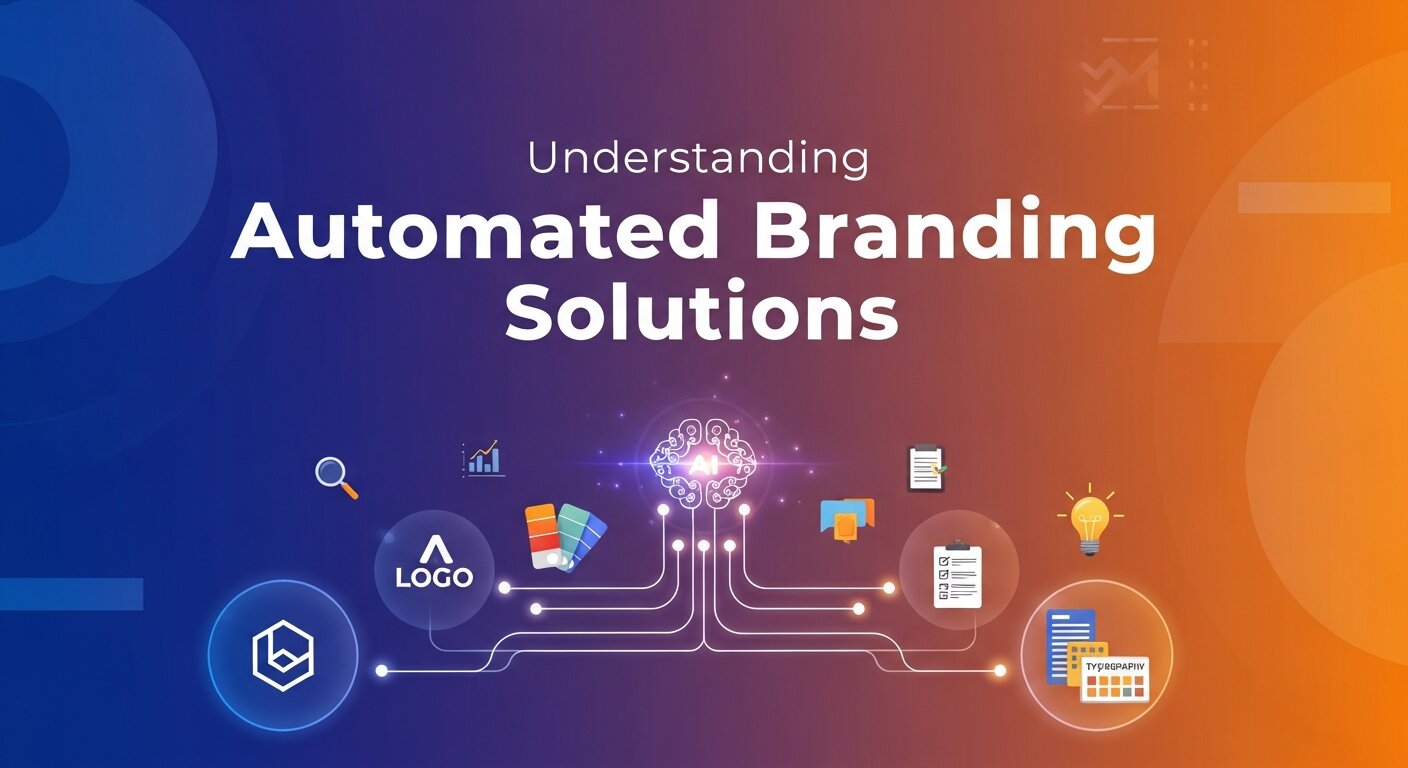
Automated branding refers to the use of software and artificial intelligence to create, manage, and distribute brand assets with minimal human intervention. Instead of manually adjusting a graphic for Instagram, LinkedIn, and a corporate blog, a software platform handles the resizing, formatting, and publishing automatically.
These platforms rely on pre-established rules. You input your brand guidelines, including specific hex codes, font families, logo variations, and tone of voice. The software then applies these rules to every piece of content it generates or formats. This ensures complete uniformity across all touchpoints.
Companies investing in automated branding solutions report massive reductions in content bottleneck issues. Creative teams no longer act as gatekeepers for every minor image adjustment or text tweak requested by the sales department. Non-designers can safely generate their own materials within the controlled parameters set by the software, knowing the final output will look completely professional and on-brand.
The Core Advantages of Automating Your Identity
Switching from manual design processes to an automated workflow provides immediate, measurable benefits for growing organizations.
Unbreakable Visual Consistency
Human error is inevitable when multiple people work on different marketing channels. Someone might use an outdated version of a logo, or select a blue that is slightly too dark. Automated systems eliminate these discrepancies. Every asset pulled from the system strictly adheres to your approved brand book. Customers experience a seamless visual journey whether they encounter your company on a billboard, a mobile app, or a printed brochure.
Accelerated Campaign Launches
Time is a critical factor in marketing. Capitalizing on a sudden cultural moment or a competitor’s misstep requires rapid content creation. Automation allows your team to generate fully branded campaigns in minutes rather than weeks. Templates automatically populate with new copy and imagery, perfectly formatted for a dozen different ad networks simultaneously.
Data-Driven Adjustments with Automated Brand Tracking
A brand is not a static entity. It must evolve based on consumer reception and market dynamics. Automated brand tracking tools monitor how your target audience interacts with your identity across the web. These systems analyze social media mentions, search trends, and visual web scraping to provide real-time feedback on your brand’s health. You can see exactly which visual styles or messaging angles generate the most engagement, allowing you to refine your automated templates based on hard data rather than guesswork.
Essential Components of a Modern Branding Tech Stack
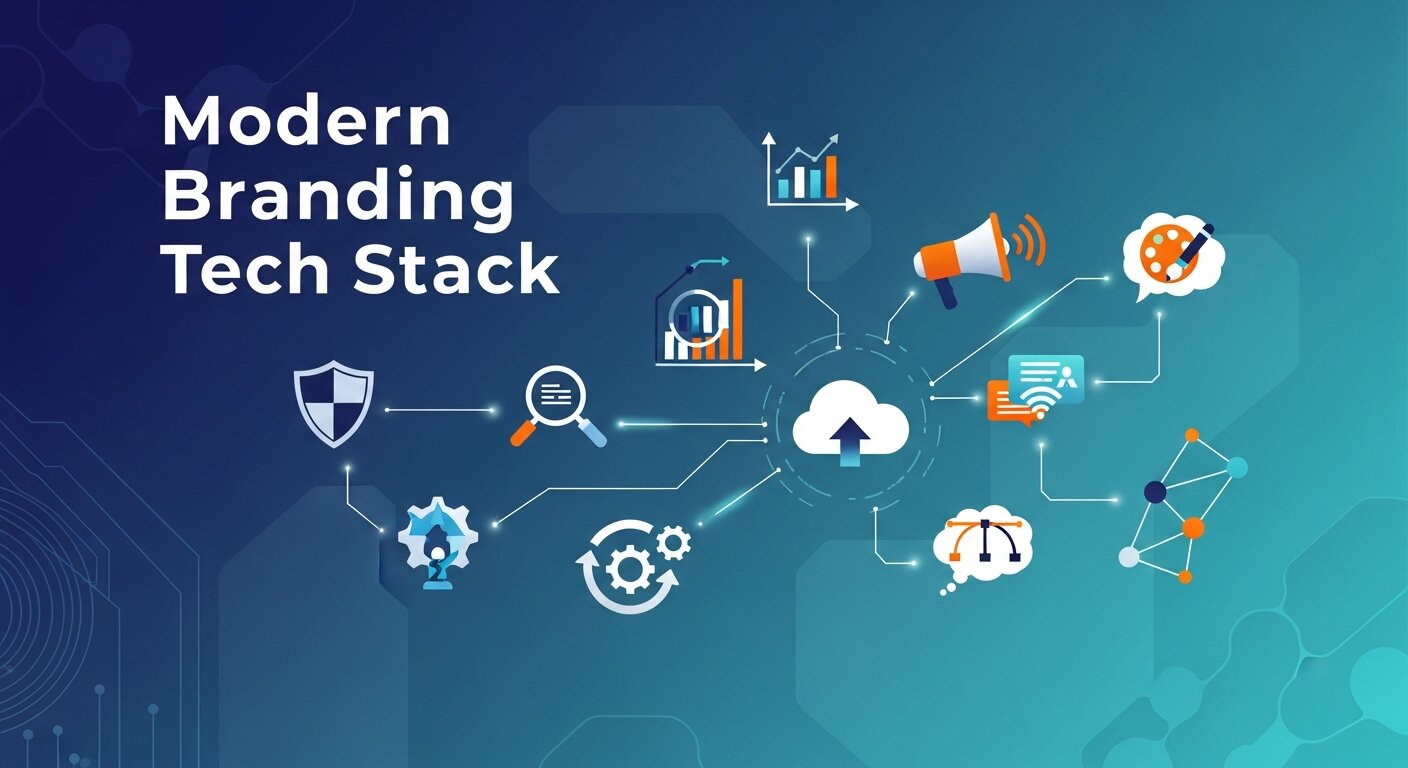
To successfully implement this strategy, organizations need a connected ecosystem of software tools working in harmony.
Intelligent Template Management
The foundation of any automation effort is a robust library of dynamic templates. These are not static files. They are flexible frameworks that automatically adjust text sizing, image cropping, and layout balancing based on the content you feed into them. A good template engine will ensure a long headline looks just as aesthetically pleasing as a short one without requiring manual tweaking.
Programmatic Content Distribution
Creating the assets is only half the battle. Your software stack should also handle the scheduling and publishing of these materials. Integration with social media APIs, email marketing platforms, and content management systems ensures your branded materials reach your audience at the optimal times without a human hitting the “publish” button.
Real-Time Asset Updates
If your company undergoes a slight visual refresh, updating older assets can be a nightmare. Modern automated systems feature centralized asset management. If you change your primary brand color from navy to teal in the central hub, the software automatically updates that color across all connected templates, active landing pages, and upcoming scheduled posts.
Learning from the Best Brands for Automation
 Many successful organizations have already mastered the art of scaling their identities through software. Observing their methods can provide a blueprint for your own transition.
Strategies from Tech and E-Commerce Leaders
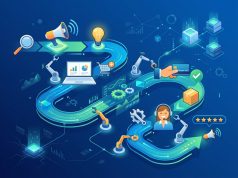
Global e-commerce platforms handle millions of product listings, each requiring branded promotional imagery. The best brands for automation use algorithmic design to generate ad creatives for every single product in their catalog. They feed product photos and pricing data into their branding engine, which instantly spits out perfectly formatted Facebook ads, Instagram stories, and display banners. This allows them to run highly targeted, personalized ad campaigns at a scale that would be impossible with manual design.
Lessons from Home Automation Brands
Interestingly, we can learn a lot about software automation from hardware companies. Leading home automation brands excel at creating seamless, interconnected ecosystems for their users. They apply this same philosophy to their corporate branding. Every touchpoint, from the packaging of a smart thermostat to the interface of the control app to the automated email receipts, shares a unified, instantly recognizable aesthetic. They use automated branding solutions to ensure that the physical product experience perfectly matches the digital marketing experience.
How to Implement Automation in Your Workflow
Transitioning your marketing department to an automated system requires careful planning and a clear understanding of your current assets.
Step 1: Codify Your Brand Rules
Before software can execute your vision, you must define it with absolute clarity. Create a comprehensive digital brand book. This must go beyond basic colors and fonts. Document rules for image styling, acceptable logo spacing, preferred grammar styles, and specific tone-of-voice guidelines. The more precise your rules, the better the automated output will be.
Step 2: Consolidate and Clean Your Assets
Gather all your existing logos, approved photographs, illustrations, and marketing copy into a single, cloud-based repository. Discard outdated versions and poorly formatted files. Your automated system is only as good as the raw materials it has access to. A clean, organized asset library prevents the software from accidentally using old or incorrect elements.
Step 3: Select the Right Software Partners
Evaluate the market for tools that fit your specific needs and budget. Look for platforms that offer strong API connections, allowing them to plug directly into your existing CRM or CMS. Prioritize user-friendly interfaces so your non-technical staff can easily generate the materials they need without requiring extensive training.
Step 4: Start Small and Scale Up
Do not attempt to automate your entire marketing department overnight. Begin with a single channel, such as social media graphics or email newsletters. Build your templates, connect your data sources, and test the output rigorously. Once you have ironed out the workflow and proven the concept, gradually expand the automation to cover digital advertising, presentation decks, and print materials.
Personalization at Scale with Automation
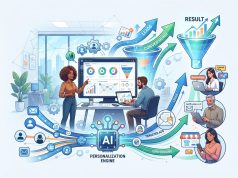
Modern consumers expect personalized experiences, and automated branding makes this possible at scale. Instead of creating one generic campaign, businesses can tailor visuals and messaging for different audience segments automatically. By integrating customer data, such as location, behavior, or preferences, branding tools can generate unique assets that feel highly relevant to each user. For example, email campaigns can display personalized images and offers without manual design work. This level of customization improves engagement and strengthens customer relationships. Automated personalization ensures your brand remains consistent while still adapting to individual user needs, helping you stand out in crowded digital environments.
Cross-Platform Brand Synchronization
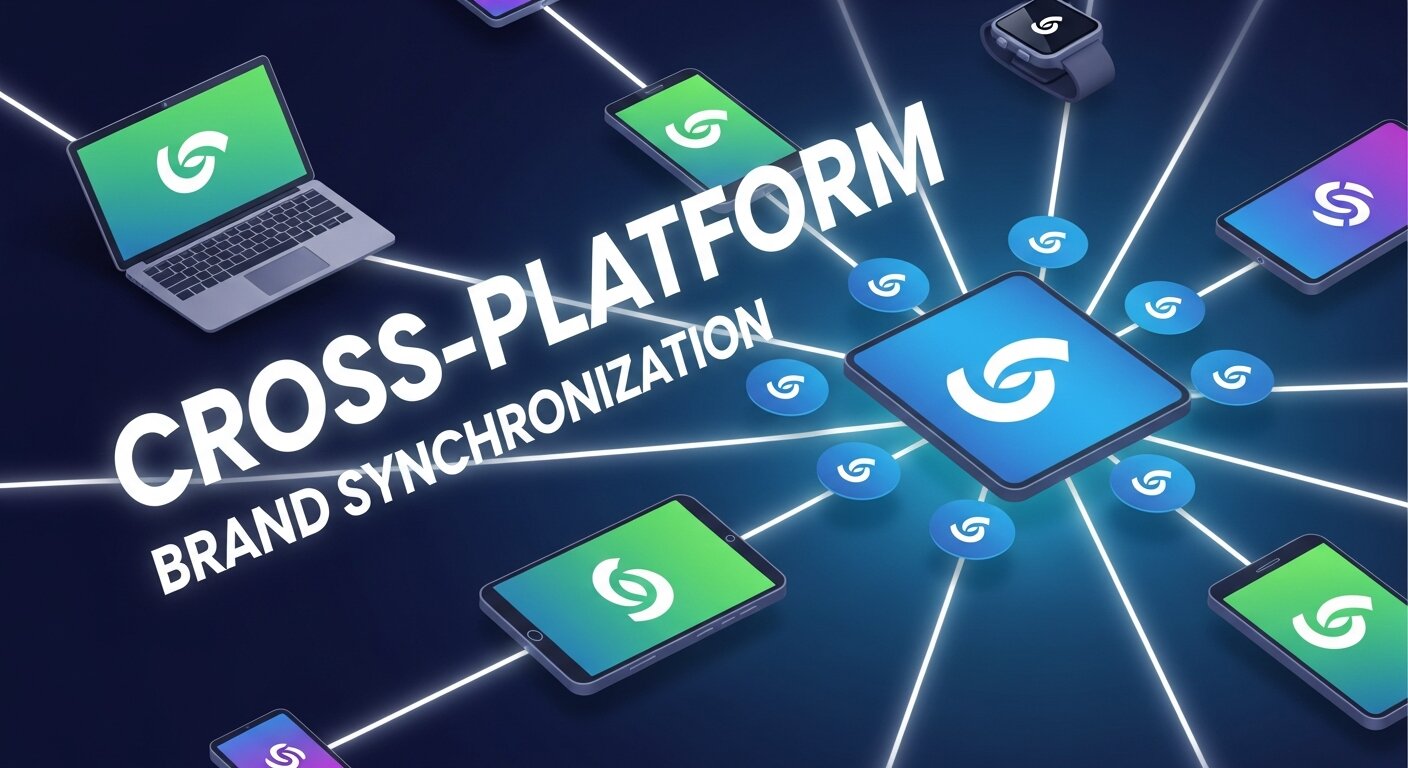
Maintaining consistency across multiple platforms can be challenging without automation. Each platform has different formatting requirements, content styles, and audience expectations. Automated branding tools solve this problem by synchronizing your assets across all channels, including social media, websites, email campaigns, and digital ads. Once you create a piece of content, the system automatically adapts it to fit each platform’s specifications. This ensures your brand looks polished and cohesive everywhere it appears. Cross-platform synchronization not only saves time but also reinforces brand recognition, as customers experience the same identity regardless of where they interact with your business.
Reducing Marketing Costs Through Automation
Automated branding significantly reduces operational costs for businesses. Traditional design workflows often require large teams and extended production timelines, which increase expenses. By automating repetitive tasks such as resizing images, formatting layouts, and distributing content, companies can achieve more with fewer resources. This allows businesses to allocate their budgets toward strategy, innovation, and growth initiatives. Additionally, automation minimizes costly errors and rework caused by inconsistencies. Small and medium-sized businesses, in particular, benefit from this efficiency, as they can maintain a professional brand presence without investing heavily in design infrastructure or outsourcing.
Enhancing Collaboration Across Teams
Automated branding tools improve collaboration between different departments within an organization. Marketing, sales, and product teams often need access to branded materials, but relying on a central design team can create bottlenecks. With automation, teams can independently generate assets using pre-approved templates while staying within brand guidelines. This reduces delays and empowers employees to act quickly. Real-time collaboration features also allow teams to share feedback, update content, and maintain alignment across projects. By streamlining communication and reducing dependency on manual processes, automated branding fosters a more agile and efficient working environment.
Future Trends in Automated Branding Technology
The future of automated branding is driven by advancements in artificial intelligence and machine learning. Emerging tools are becoming more intuitive, capable of generating not only visuals but also written content that aligns with brand voice. Predictive analytics will play a larger role, helping businesses anticipate trends and adjust their branding strategies proactively. Voice and interactive branding elements are also gaining traction, expanding automation beyond visual assets. As technology continues to evolve, automated branding will become even more accessible and powerful. Businesses that adopt these innovations early will gain a competitive advantage in maintaining relevance and visibility.
Frequently Asked Questions
1. What is automated branding?
Automated branding is the use of software and AI to create and manage brand assets. It ensures consistent design and messaging across all platforms with minimal manual effort.
2. How does automated branding help businesses?
It saves time by removing repetitive design and formatting tasks.
Teams can launch campaigns faster while maintaining a professional brand image.
3. Will automated branding replace designers?
No, it supports designers by handling routine work like resizing and formatting. This allows creative teams to focus on strategy and innovation.
4. Is automated branding suitable for small businesses?
Yes, small businesses can use affordable tools to maintain a strong brand identity. It helps them compete with larger companies without hiring big design teams.
5. How do automated branding tools maintain consistency?
They follow predefined brand rules like colors, fonts, and tone of voice. This ensures every asset matches the company’s identity perfectly.
6. What are the key features of automated branding tools?
Common features include template management, content automation, and asset libraries. Some tools also offer analytics and automated brand tracking.
7. Can automated branding improve marketing performance?
Yes, it enables faster campaign execution and consistent messaging. This leads to better engagement and stronger brand recognition.
8. How do I start implementing automated branding?
Begin by defining your brand guidelines and organizing your assets. Then choose tools that fit your workflow and gradually automate processes.
Start Scaling Your Brand Identity Today
Building a recognizable, trusted identity requires immense consistency over a long period of time. Manual processes make this consistency incredibly difficult to maintain as your company grows and your marketing channels multiply.
By embracing automated branding, you secure the integrity of your visual and written identity. You empower your employees to generate professional assets independently, eliminate workflow bottlenecks, and ensure that every piece of content you publish strengthens your market presence. Take the time to audit your current design processes, explore the available software solutions, and take the first steps toward a faster, more resilient brand strategy.