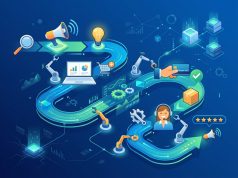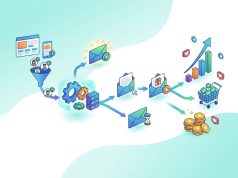
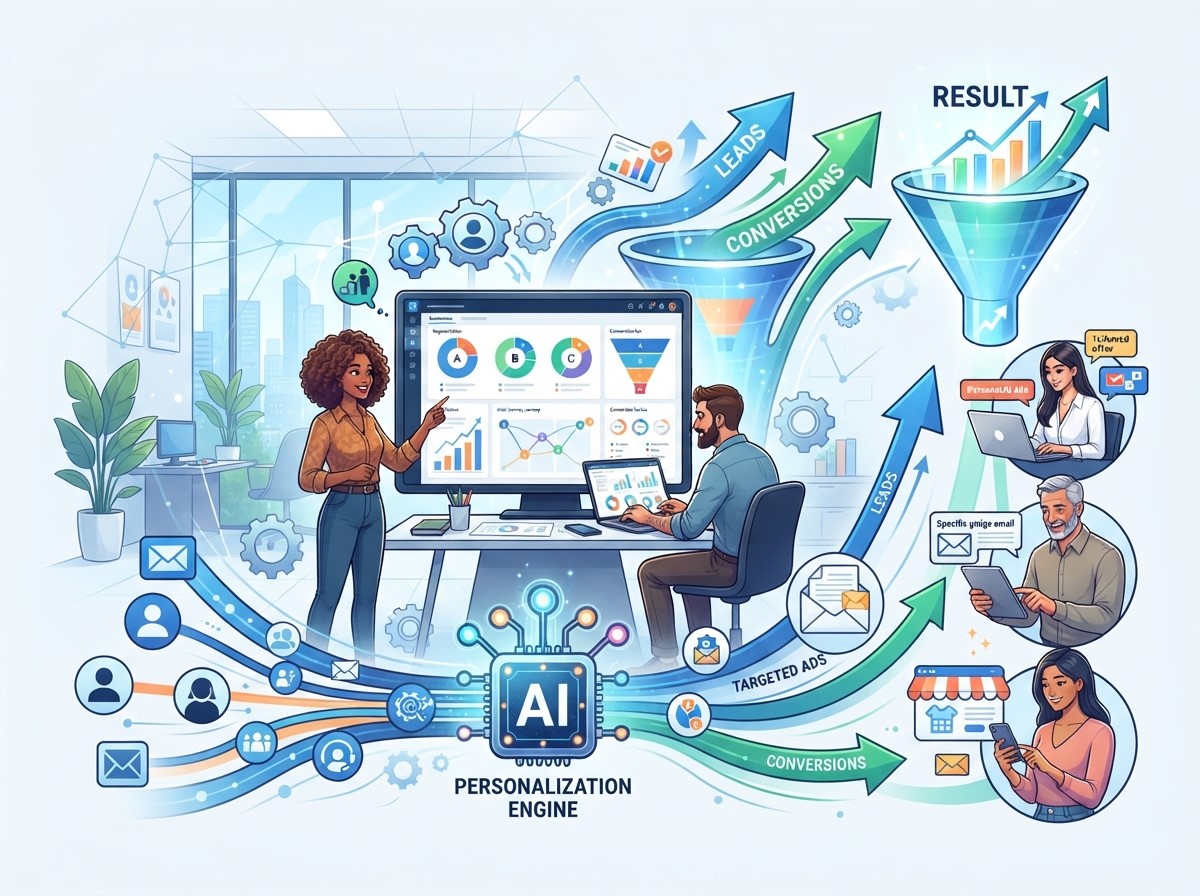
Personalized marketing helps businesses create more relevant experiences by using customer information, interests, behaviors, and interactions to deliver messages that match individual needs. Instead of presenting the same content to every visitor, businesses can tailor offers, emails, website experiences, and campaigns to different audience segments.
When implemented strategically, personalization can improve engagement, strengthen customer relationships, and support more qualified leads and conversions. Modern tools such as Content automation, Marketing automation, and Automated brand monitoring can make personalization more scalable while helping businesses respond to customer behavior efficiently.
Understand Your Audience Before Personalizing Campaigns
Effective personalization starts with understanding your audience. Businesses need reliable information about customer preferences, behaviors, needs, and interactions before creating personalized experiences. Audience research allows marketers to identify meaningful patterns and develop campaigns that feel relevant rather than repetitive or intrusive.
Segment Customers Based on Behavior
Customer segmentation allows businesses to divide audiences into groups based on shared characteristics or behaviors. Segments can be created using purchase history, browsing activity, engagement levels, location, interests, or interactions with previous campaigns.
For example, new visitors may need educational content, while returning customers may respond better to product recommendations or special offers. Different messages can therefore be delivered according to where customers are in their buying process.
Identify Customer Intent
Understanding customer intent makes personalization more useful. Someone searching for basic information may not be ready to purchase, while a visitor repeatedly checking pricing or product details may have stronger buying intent.
Analyze search behavior, page visits, content interactions, and previous purchases to understand what customers are trying to accomplish. These insights can guide more relevant marketing messages.
Create Personalized Content Experiences
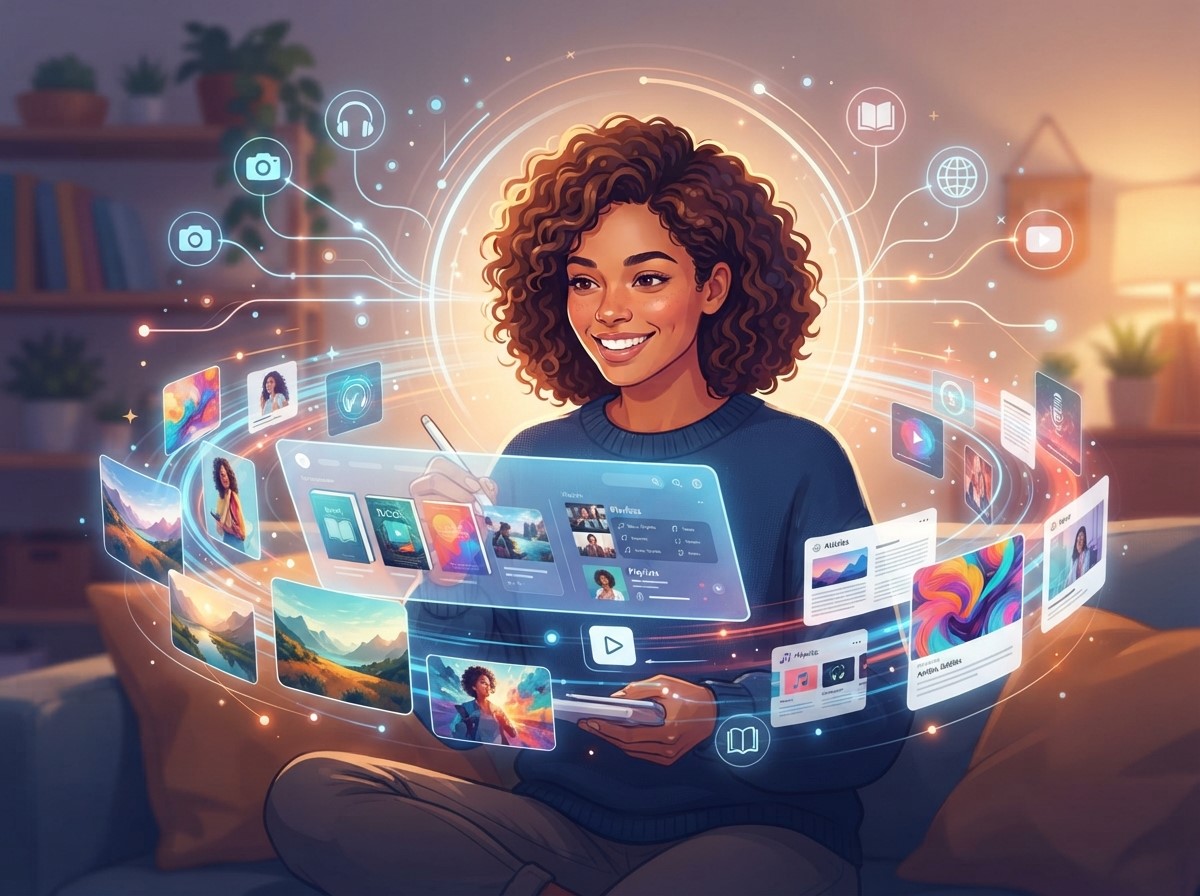
Content plays a major role in personalized marketing because customers respond differently depending on their needs and interests. Relevant content can make visitors feel understood while helping them move through the buying journey more naturally.
Customize Website Content
Website personalization can change content based on visitor behavior, previous interactions, or customer segments. Returning users might see recommended products, relevant resources, or offers connected to their previous activity.
Personalized landing pages can also align content with advertising campaigns or search intent. When visitors immediately find information that matches their expectations, they may be more likely to engage with the website.
Use Content Automation
Content automation can help businesses produce, organize, and distribute personalized content at scale. Automated workflows can recommend relevant articles, send targeted resources, or deliver content based on predefined customer actions.
However, automation should support relevance rather than replace strategy. Content should remain useful, accurate, and appropriate for the audience. Combining automation with customer insights allows businesses to maintain personalization without manually managing every interaction.
Personalize Email Marketing Campaigns
Email remains an effective channel for delivering personalized messages because businesses can use customer information and previous interactions to create targeted campaigns.
Send Behavior-Based Emails
Behavior-based emails are triggered by specific customer actions. Examples include welcome messages, abandoned-cart reminders, product recommendations, follow-up emails, and re-engagement campaigns.
These messages can be more relevant than generic newsletters because they respond to something the customer has already done. Timing also matters because a useful message delivered at the right stage can encourage further engagement.
Personalize Subject Lines and Offers
Personalization can extend beyond adding a customer’s name. Email content can reflect product interests, previous purchases, content preferences, or engagement history.
Businesses can also test different offers for different audience segments. Monitoring engagement helps determine which types of personalization generate stronger responses without overwhelming subscribers.
Use Marketing Automation for Scalable Personalization
Personalization becomes difficult to manage manually as customer numbers increase. Marketing automation allows businesses to create workflows that respond to customer actions and deliver relevant communication automatically.
Build Automated Customer Journeys
Automated workflows can guide customers through different stages of the buying process. A new subscriber might receive educational information first, followed by product details and eventually a conversion-focused offer.
These workflows should reflect customer intent rather than simply sending a fixed sequence to everyone. Behavioral triggers can help determine when customers should receive specific messages.
Trigger Messages Based on Actions
Actions such as downloading content, visiting a pricing page, completing a form, or purchasing a product can trigger personalized communication.
For example, someone who downloads a service guide may receive additional information related to that service. Someone who completes a purchase can receive onboarding or product-support content instead of another sales message.
Personalize Offers and Product Recommendations
Relevant recommendations can help customers discover products or services that match their interests. Personalization can be especially valuable for ecommerce businesses with large product catalogs.
Recommend Relevant Products
Recommendation systems can use browsing behavior, purchase history, product preferences, and similar customer activity to suggest relevant products.
Instead of showing the same products to everyone, businesses can present recommendations based on individual interests. This can make product discovery easier and create additional opportunities for conversions.
Create Personalized Promotions
Promotional campaigns can also be adapted to customer segments. New customers may receive introductory offers, while existing customers may receive loyalty incentives or recommendations based on previous purchases.
The objective should be relevance rather than excessive discounting. A personalized offer should provide a meaningful reason for the customer to continue engaging with the brand.
Improve Lead Generation With Personalization
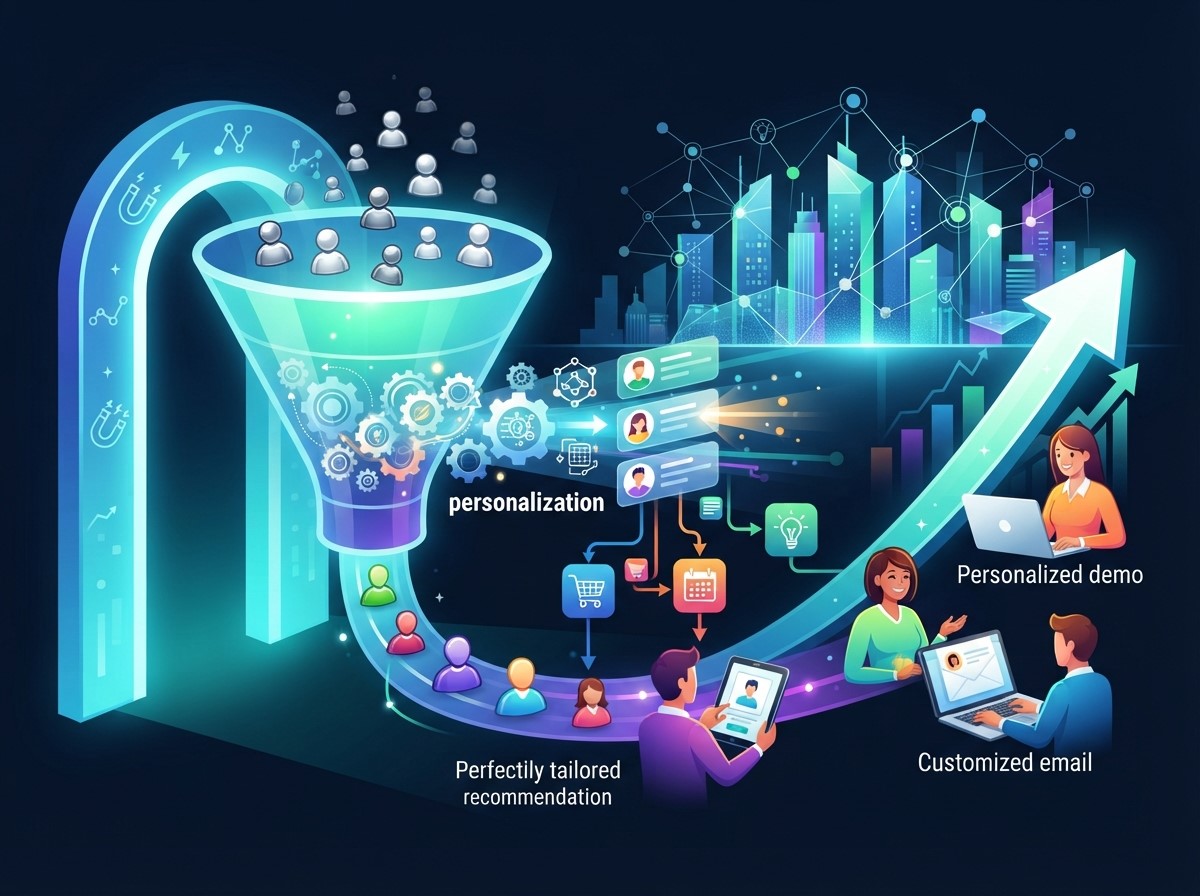
Personalization can strengthen lead generation by making forms, landing pages, and calls to action more relevant to different audience groups.
Personalize Lead Capture Forms
Lead forms can be adapted according to visitor intent and previous interactions. A first-time visitor may need a simple form, while an existing prospect may already have provided basic information.
Reducing unnecessary fields can make forms easier to complete. Businesses can also use information already collected to create more relevant follow-up communication.
Create Audience-Specific Landing Pages
Different customer segments may respond to different messages. Creating landing pages around specific industries, problems, services, or audience needs can make the experience more relevant.
The headline, supporting content, testimonials, examples, and CTA can all be aligned with the visitor’s expected goal. This approach helps connect marketing campaigns with specific customer needs.
Use Automated Brand Monitoring for Better Personalization
Customer conversations happen across websites, social networks, review platforms, forums, and other digital channels. Automated brand monitoring can help businesses identify relevant mentions and understand how audiences are discussing their brand.
Monitor Customer Feedback
Monitoring online conversations can reveal customer questions, complaints, preferences, and recurring concerns. These insights can influence content, product messaging, customer service, and campaign strategies.
For example, if customers frequently ask about a particular feature, businesses can create content addressing that topic and promote it to audiences showing related interests.
Respond to Brand Mentions
Automated monitoring can help identify important brand mentions faster. Timely responses can improve customer communication and provide opportunities to address questions before they become larger issues.
Personalization becomes stronger when businesses use real customer feedback rather than relying entirely on assumptions about what audiences want.
Use Customer Data Responsibly
Personalization depends on customer information, so businesses should treat data responsibly. Customers are more likely to trust brands that communicate clearly about how information is collected and used.
Focus on Relevant Data
Collect information that has a clear purpose for improving the customer experience. Excessive data collection can create unnecessary complexity and may reduce customer confidence.
Use behavioral and transactional information to create useful experiences while maintaining appropriate privacy practices. Data quality is also important because inaccurate information can result in irrelevant personalization.
Maintain Transparency
Customers should understand how their information contributes to marketing experiences. Clear privacy communication and appropriate consent practices can support trust.
Personalization should never make customers feel that a brand is monitoring every aspect of their behavior. The goal is to make communication more useful while respecting customer expectations.
Measure Personalized Marketing Performance
Personalization should be measured through meaningful business outcomes rather than assumptions. Tracking performance allows marketers to determine whether personalized campaigns are actually improving engagement and conversions.
Track Leads and Conversions
Measure form submissions, purchases, registrations, qualified leads, and other relevant actions. Compare results between personalized and non-personalized campaigns when possible.
Look beyond basic engagement metrics. A campaign may receive many clicks but produce few qualified leads. Measuring downstream outcomes provides a clearer understanding of business value.
Analyze Customer Engagement
Review metrics such as email engagement, landing page activity, repeat visits, product interactions, and customer retention. These indicators can reveal whether personalization is improving the overall customer experience.
Use the findings to refine audience segments, messages, offers, and automated workflows. Personalization should become an ongoing optimization process rather than a one-time campaign.
Test and Improve Personalization Strategies
Customer preferences change over time, so personalization strategies should be continuously tested. What works for one audience segment may not work for another, making experimentation an important part of the process.
Test Different Messages
Experiment with headlines, email subject lines, offers, CTAs, recommendations, and landing page content. Testing can reveal which messages create stronger responses from specific audience segments.
Keep testing focused enough to understand what influenced the result. Reliable data can then guide future personalization decisions.
Refine Customer Segments
Audience segments should evolve as new customer information becomes available. A customer who was previously researching a product may later become ready to purchase.
Review behavioral signals regularly and update campaigns accordingly. More accurate segmentation can make personalized experiences more relevant and reduce unnecessary communication.
Build Long-Term Customer Relationships

Personalized marketing should not focus only on immediate conversions. Long-term personalization can help businesses create stronger relationships by continuing to provide value after the initial purchase or lead.
Personalize Post-Purchase Communication
After a purchase, customers may need onboarding information, product education, support resources, or recommendations. Personalized follow-up communication can help customers get more value from their purchase.
For service businesses, personalized follow-ups can include useful resources, appointment reminders, educational content, or relevant additional services.
Encourage Repeat Engagement
Use previous interactions to identify opportunities for continued engagement. Customers may be interested in related products, new content, loyalty programs, or updates based on their history.
The most effective approach is to make every interaction useful rather than sending frequent promotional messages without clear relevance.
Conclusion
Personalized marketing allows businesses to move beyond generic campaigns and create experiences that better match customer interests, behaviors, and intent. From personalized website content and targeted email campaigns to audience-specific landing pages and relevant offers, personalization can support stronger engagement and more qualified leads.
Tools such as Content automation, Marketing automation, and Automated brand monitoring can make these strategies easier to manage at scale. However, successful personalization depends on useful data, clear audience segmentation, responsible data practices, and continuous testing. By combining customer insights with relevant communication and consistent optimization, businesses can create marketing experiences that support both immediate conversions and long-term customer relationships.
Frequently Asked Questions
1. What is personalized marketing?
Personalized marketing is a strategy that uses customer information, behavior, preferences, and interactions to deliver more relevant content, offers, messages, and experiences to specific individuals or audience segments.
2. How does personalized marketing increase leads?
It makes marketing messages more relevant to specific audiences. Personalized landing pages, forms, content, and follow-up messages can reduce friction and encourage interested visitors to become leads.
3. Can personalized marketing improve conversions?
Yes. Personalization can improve the relevance of offers, recommendations, content, and CTAs. When customers receive information that matches their needs and intent, they may be more likely to take meaningful action.
4. What role does Content automation play in personalization?
Content automation helps businesses create, organize, and distribute relevant content at scale. It can support automated recommendations, targeted resources, and content delivery based on customer behavior.
5. How does Marketing automation support personalized campaigns?
Marketing automation allows businesses to create behavior-based workflows. Customer actions such as form submissions, downloads, purchases, and page visits can trigger relevant messages automatically.
6. What is Automated brand monitoring?
Automated brand monitoring uses technology to track brand mentions and relevant online conversations. Businesses can use these insights to understand customer feedback and respond to important discussions more efficiently.
7. How can small businesses use personalized marketing?
Small businesses can start with simple strategies such as audience segmentation, personalized email campaigns, targeted landing pages, relevant recommendations, and behavior-based follow-ups.
8. Is personalized marketing suitable for ecommerce?
Yes. Ecommerce businesses can personalize product recommendations, promotional offers, email campaigns, website experiences, and follow-up communication using browsing and purchase behavior.
9. How do you measure personalized marketing success?
Businesses can measure lead generation, conversion rates, purchases, email engagement, repeat visits, customer retention, and other relevant outcomes. Comparing campaign performance can help identify effective personalization strategies.
10. Is too much personalization possible?
Yes. Excessive or poorly timed personalization can make customers uncomfortable or reduce trust. Personalization should provide genuine value while respecting privacy, transparency, and customer expectations.