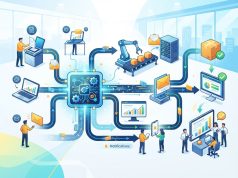
Your brand’s reputation is being shaped around the clock—across social media platforms, review sites, news articles, forums, and more. Every mention, whether glowing or scathing, contributes to how customers perceive your business. The challenge? No human team can realistically track all of it.
That’s where automated brand monitoring comes in. By using software to continuously scan the web for mentions of your brand, competitors, and relevant keywords, businesses can stay ahead of potential crises, respond to customers faster, and build a more consistent public image. For companies serious about long-term growth, brand automation isn’t a luxury—it’s a necessity.
This post breaks down what automated brand monitoring actually is, why it matters for customer trust and brand visibility, and how to put it to work effectively.
What Is Automated Brand Monitoring?
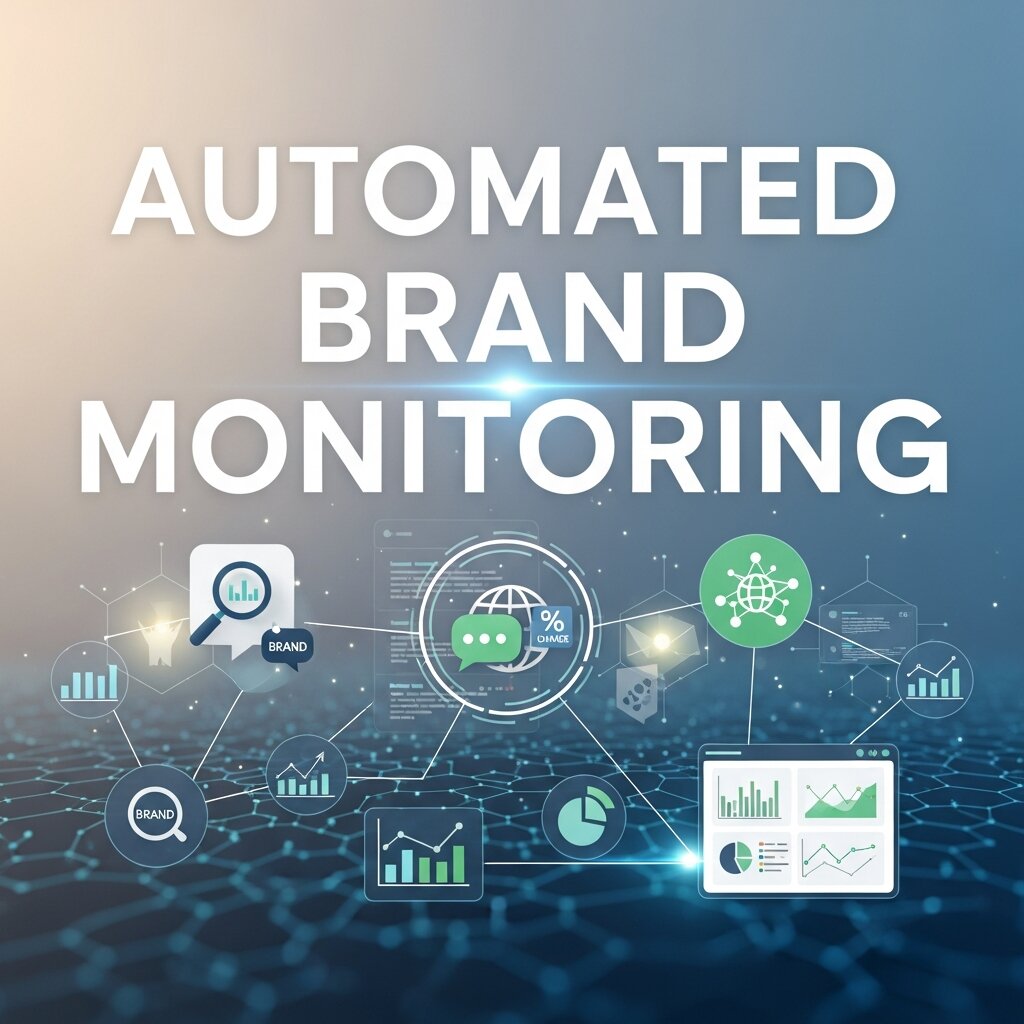
Automated brand monitoring refers to the use of software tools to track and analyze mentions of your brand across digital channels in real time. These tools scan sources like social media, blogs, forums, news outlets, and review platforms—then aggregate, organize, and report that data back to your team.
Unlike manual monitoring (which is slow, inconsistent, and prone to gaps), automated systems operate continuously. They flag relevant mentions, measure sentiment, track share of voice, and can even trigger alerts when a spike in negative mentions suggests a potential PR issue is brewing.
Modern automated marketing platforms go further still. Many now incorporate AI-powered branding features—natural language processing, sentiment analysis, and predictive modeling—that don’t just tell you what’s being said, but help you understand why and what to do next.
Why Brand Monitoring Matters More Than Ever
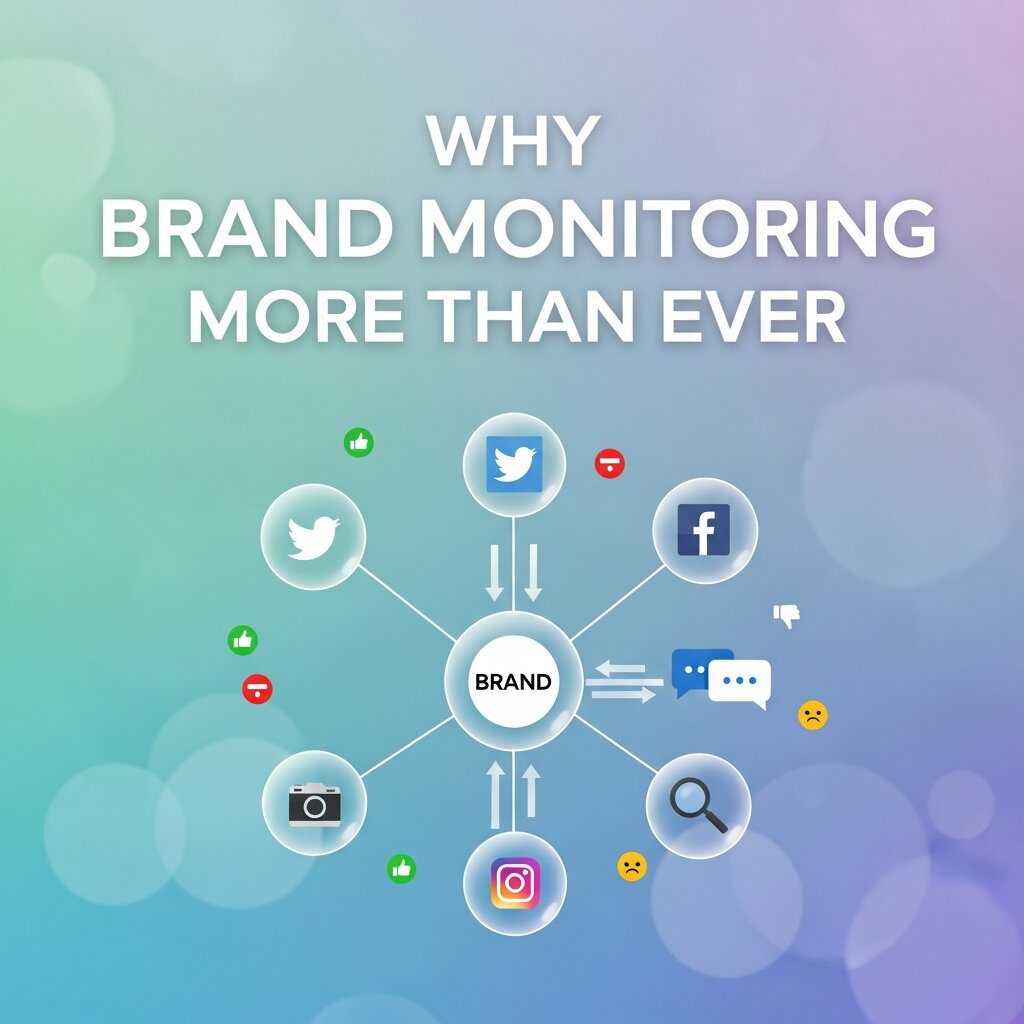
Online conversations move fast. A frustrated customer’s tweet can go viral before your support team finishes their morning coffee. A misleading article about your product can circulate for days before you’re even aware of it. And a competitor’s campaign—if left unaddressed—can quietly erode your market positioning.
The stakes are real. According to Edelman’s Trust Barometer, 81% of consumers say that trust in a brand is a deciding factor in their purchase decisions. When customers don’t trust a brand, they don’t buy from it. And trust, once broken, is difficult to rebuild.
Automated brand monitoring gives businesses the awareness they need to protect their reputation proactively rather than reactively. Instead of scrambling to manage damage after the fact, teams can respond in real time—turning a potentially negative experience into a public demonstration of excellent customer service.
How Automated Brand Monitoring Improves Customer Trust
Faster Response Times Show Customers You’re Listening
Speed matters enormously in customer service. Studies from Sprout Social show that 77% of customers expect brands to respond to social media messages within 24 hours, and nearly 40% expect a response within the first hour.
Automated brand monitoring makes rapid response achievable. When a customer posts a complaint or question, the system flags it immediately. Your team can then step in quickly—before frustration compounds, and before others pile on.
This kind of timely, attentive engagement signals to customers that your brand cares about their experience. Over time, consistent responsiveness builds credibility and loyalty in ways that ad campaigns simply can’t replicate.
Catching Negative Sentiment Before It Escalates
Not every dissatisfied customer will tag your brand directly. Many will vent to their followers, post in niche communities, or leave reviews on third-party platforms. Without automated monitoring, these conversations go unnoticed—until they grow large enough to cause real damage.
Brand automation tools catch these mentions early, regardless of whether your handle is tagged. Sentiment analysis features then help teams prioritize—distinguishing between casual criticism and the kind of recurring complaint patterns that signal a deeper product or service issue worth addressing.
By catching these signals early, businesses can resolve issues quietly and systematically, rather than managing a full-blown public crisis.
Consistent Brand Voice Across Every Channel
Customer trust is also built through consistency. When your brand communicates in a coherent, recognizable voice—whether on Instagram, LinkedIn, or a review platform—it feels reliable and professional. Inconsistency, on the other hand, breeds confusion and erodes confidence.
Automated brand monitoring helps maintain this consistency by giving teams a unified view of all brand-related conversations. When everyone on the team can see what’s being said and how the brand has previously responded, they’re better equipped to stay aligned. Some platforms also offer response templates and tone guidelines that reinforce brand voice across every touchpoint.
How Automated Brand Monitoring Boosts Brand Visibility
Identifying Content Opportunities in Real Time
Brand visibility doesn’t come from posting into the void and hoping for the best. It comes from knowing what your audience is talking about—and showing up in those conversations with relevant, valuable content.
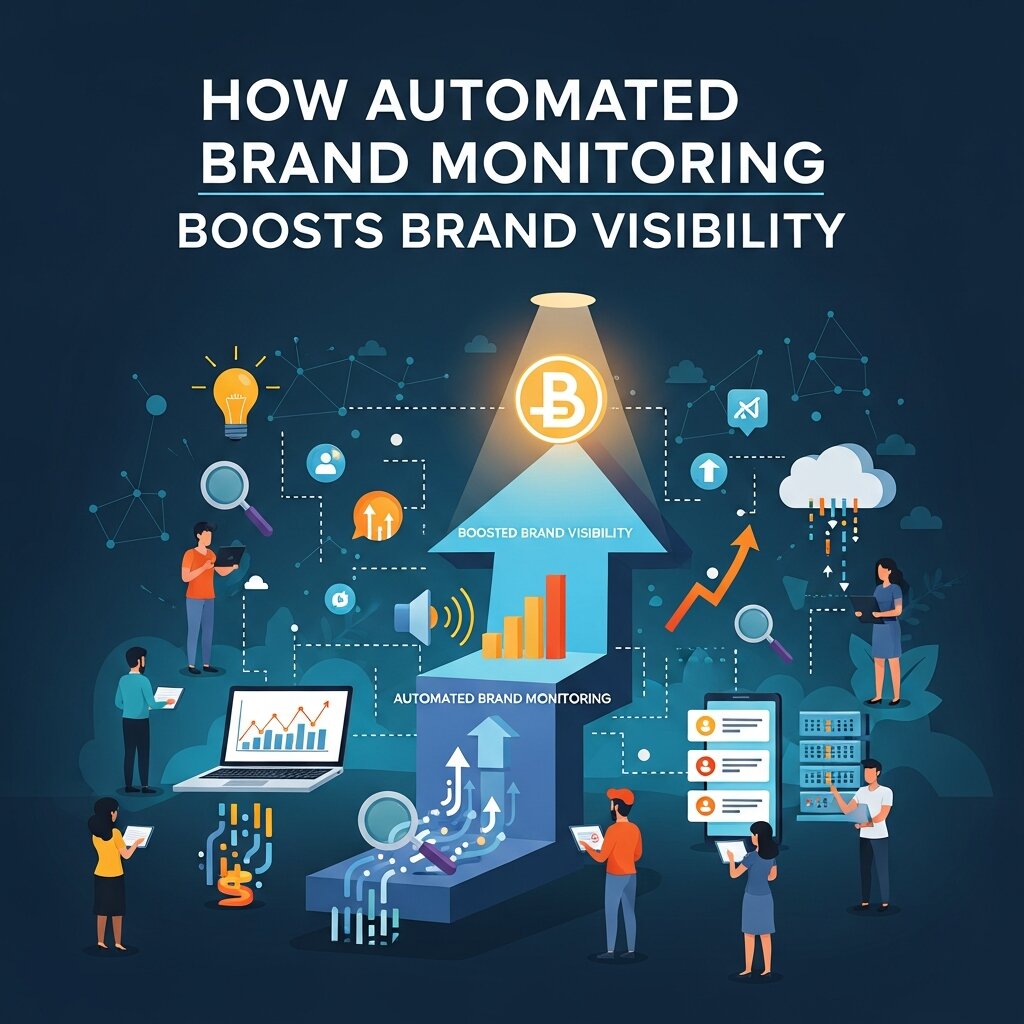
Automated brand monitoring reveals trending topics, questions your audience is asking, and gaps your competitors aren’t filling. This kind of data is invaluable for content strategy. Rather than guessing what will resonate, marketers can build campaigns around real conversations happening right now.
For example, if monitoring reveals a spike in discussions around a pain point your product solves, your team can move quickly to publish a timely article, social post, or case study. Being first to the conversation—and being genuinely helpful—builds visibility and positions your brand as an authority.
Understanding Share of Voice Against Competitors
Brand visibility isn’t measured in a vacuum—it’s relative. Knowing how often your brand is mentioned compared to competitors gives you a clearer picture of where you stand in the market.
Automated marketing tools that track competitor mentions alongside your own allow businesses to measure share of voice over time. If a competitor is gaining ground in conversations about your industry, that’s an early signal to investigate why—whether it’s a new campaign, a product launch, or simply more consistent engagement.
This competitive intelligence allows brands to make smarter decisions about where to invest their marketing efforts and how to differentiate more effectively.
Amplifying Positive Mentions and User-Generated Content
When customers say great things about your brand, that content has enormous potential—if you know it exists. Automated brand monitoring ensures no positive mention goes unnoticed. Your team can then engage with those posts, share user-generated content, or reach out to brand advocates for partnerships and testimonials.
Amplifying authentic customer voices is one of the most effective ways to build both trust and visibility simultaneously. Potential customers trust peer recommendations far more than polished advertising, and AI-powered branding tools help surface those opportunities systematically.
Choosing the Right Automated Brand Monitoring Tool
The market for brand monitoring tools is crowded, with options ranging from enterprise platforms to lightweight tools for small businesses. The right choice depends on several factors.
Consider your scale and budget: Enterprise businesses with global audiences and high mention volumes need robust platforms—like Brandwatch, Sprinklr, or Mention—that offer advanced filtering, multi-language support, and deep analytics. Smaller teams may find that tools like Google Alerts or Brand24 meet their needs at a lower cost.
Evaluate sentiment analysis accuracy: Not all sentiment analysis tools are created equal. Look for platforms that allow you to customize sentiment thresholds and manually correct errors—because context matters, and AI models aren’t perfect.
Check integration capabilities: Your monitoring tool should integrate with the platforms your team already uses—CRM software, social media management tools, and reporting dashboards. Isolated data is hard to act on.
Look for real-time alerting: Delayed data is less useful for reputation management. Prioritize tools that offer real-time or near-real-time alerts for sudden spikes in mentions or sentiment shifts.
Implementing Automated Brand Monitoring Effectively
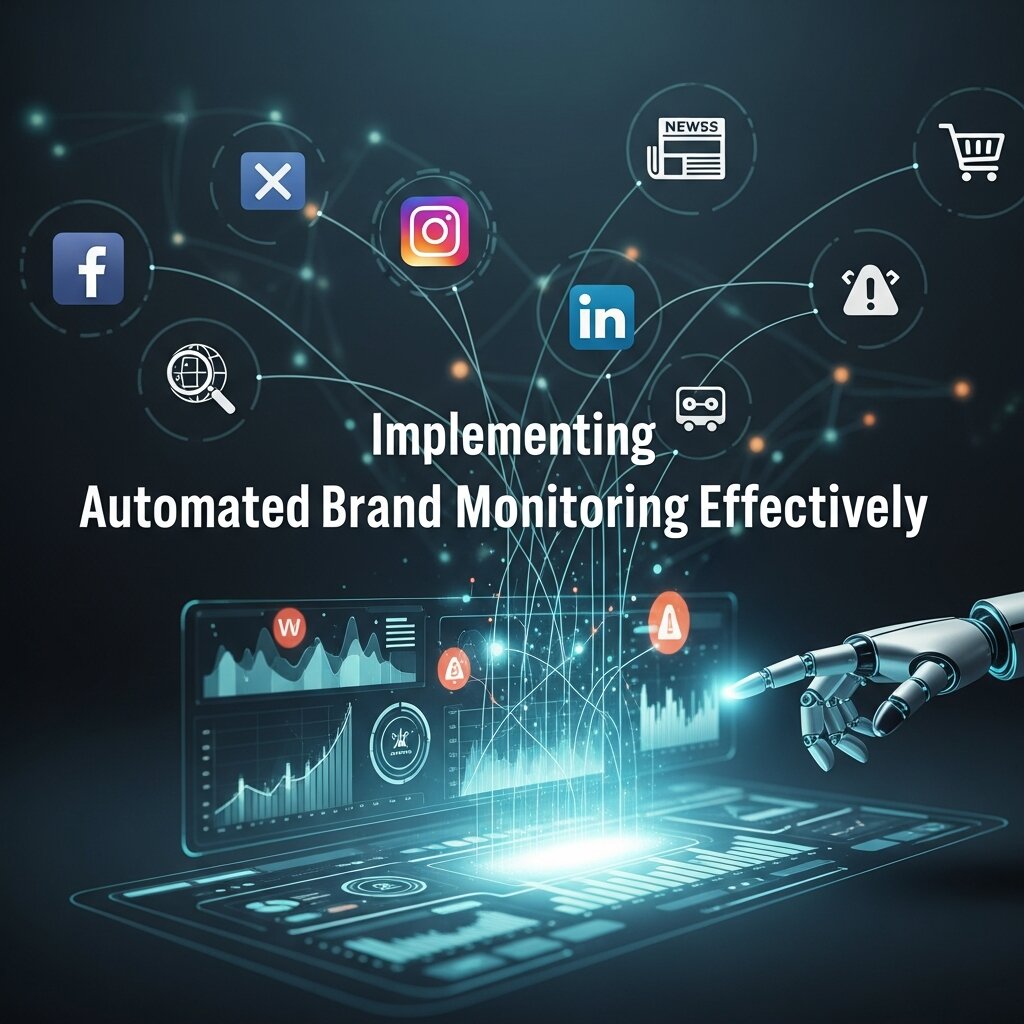
Having the right tool is only part of the equation. To get genuine value from automated brand monitoring, businesses need a clear process around it.
Start by defining what you want to monitor. This typically includes your brand name (and common misspellings), product names, key executives, branded hashtags, and core competitors. Narrowing your focus upfront reduces noise and makes alerts more actionable.
Next, establish response protocols. Who on your team is responsible for addressing negative mentions? What’s the escalation process for a crisis? How quickly should customer comments receive a reply? Documenting these workflows ensures that monitoring doesn’t just produce data—it produces action.
Finally, build reporting into your routine. Regular reviews of brand mention data—weekly, monthly, or quarterly—help track trends over time and measure the impact of your reputation management efforts. Are response times improving? Is sentiment trending positively? Is share of voice growing? These metrics tell the story of your brand health and help justify continued investment in brand automation.
Frequently Asked Questions (FAQs)
1. What is automated brand monitoring?
Automated brand monitoring is the process of using software to continuously track online mentions of your brand, products, competitors, and keywords across social media, news sites, blogs, forums, and review platforms in real time.
2. How does automated brand monitoring work?
Brand monitoring tools scan multiple digital channels using predefined keywords and AI-powered algorithms. They collect mentions, analyze sentiment, identify trends, and send alerts so businesses can respond quickly to important conversations.
3. Why is automated brand monitoring important?
It helps businesses protect their online reputation, detect potential PR issues early, improve customer engagement, monitor competitors, and gain valuable insights into customer sentiment and brand perception.
4. What channels can automated brand monitoring track?
Most modern platforms monitor social media networks, online news websites, blogs, discussion forums, review sites, podcasts, video platforms, and other public online sources where brand conversations occur.
5. Can automated brand monitoring track competitor activity?
Yes. Many brand monitoring tools allow businesses to monitor competitor mentions, compare share of voice, analyze customer sentiment, and identify market trends to improve competitive positioning.
6. How accurate is AI-powered sentiment analysis?
AI sentiment analysis is generally effective at identifying positive, negative, and neutral conversations. While accuracy has improved significantly, businesses should still review important mentions manually, especially when sarcasm or complex language is involved.
7. Is automated brand monitoring suitable for small businesses?
Absolutely. Small businesses can benefit from automated brand monitoring by staying informed about customer feedback, responding faster to reviews, and building a stronger online reputation without requiring large marketing teams.
8. What’s the difference between manual and automated brand monitoring?
Manual monitoring requires employees to search multiple platforms individually, making it time-consuming and inconsistent. Automated monitoring continuously tracks mentions across multiple channels, provides real-time alerts, and delivers analytics from a centralized dashboard.
9. How often should businesses review brand monitoring reports?
Real-time alerts should be monitored daily, while detailed performance reports should be reviewed weekly or monthly to evaluate trends, measure campaign effectiveness, and refine reputation management strategies.
10. What features should I look for in an automated brand monitoring tool?
Look for features such as real-time alerts, AI-powered sentiment analysis, competitor tracking, comprehensive source coverage, customizable dashboards, historical data, automated reporting, CRM integrations, and multilingual monitoring capabilities.
The Long Game: Reputation as a Growth Asset
Automated brand monitoring isn’t just a defensive tool—it’s a growth engine. When businesses consistently respond to customers, manage their reputation proactively, and show up in the right conversations at the right time, the cumulative effect is a brand that people genuinely trust and recognize.
That trust translates directly to business outcomes. Higher customer retention. Better word-of-mouth. A stronger organic presence. More effective marketing overall.