
Mastering email list building is the cornerstone of sustainable digital growth, offering a direct, high-conversion channel to engage your target audience and drive long-term business revenue and brand loyalty.
This guide explores the strategic importance of email marketing, providing actionable steps for audience definition, tool selection, and lead magnet creation. From B2B lead generation to advanced marketing analytics, we cover everything you need to scale your subscriber base and nurture lasting customer relationships.
Mastering Email List Building: Why Your Business Needs It Now
In an era dominated by shifting social media algorithms and rising ad costs, mastering email list building stands as the most reliable strategy for any modern brand. While platforms like TikTok or Instagram offer reach, they do not offer ownership. An email list is a proprietary asset—a direct line to your customers that cannot be throttled by a third party.
According to industry leaders like Backlinko, email remains a primary driver of retention and acquisition. The statistics are staggering: for every $1 invested, email marketing can return up to $36. This high ROI is why both small businesses and large-scale enterprises prioritize list growth above almost all other digital tactics.
The Power of Ownership and Personalization
When you focus on mastering email list building, you are investing in brand authority and brand resilience strategies. Unlike a “viral” post that disappears in 24 hours, an email sits in an inbox, waiting for the user’s attention. This allows for:
- Direct Interaction: Bypassing the noise of the newsfeed.
- Segmentation: Grouping users by behavior, such as those who attended Salesforce webinars versus those who downloaded a specific ebook.
- Consistency: Establishing a brand voice strategy that resonates over time.
Step-by-Step: How to Start Mastering Email List Building
1. Define Your Ideal Audience
You cannot build a list without knowing who you are talking to. Customer journey mapping is essential here. Are you looking for B2B leads, or are you a lifestyle brand focusing on consumer brand marketing?
Identify their pain points. For a SaaS company, the challenge might be business process automation tools; for a retail brand, it might be staying ahead of luxury brand marketing strategy trends.
2. Choose the Right Tech Stack
To handle real-time data transfer and automated workflows, you need robust software. Popular choices include:
- HubSpot: Excellent for HubSpot data entry and integrated CRM capabilities.
- Mailchimp: A classic for beginners focusing on simple newsletters.
- ConvertKit: Optimized for creators and personal brand strategy.
3. Creating Irresistible Lead Magnets
A lead magnet is the “bribe” that encourages a user to share their data. To excel at mastering email list building, your offer must provide immediate value.
- Educational Ebooks: Focusing on topics like “A Complete Guide to Webinar Monetization.”
- Templates: Such as automation in excel data entry spreadsheets or brand strategy road maps.
- Exclusive Access: Early bird invites to virtual conferences or “inner circle” discounts.
| Lead Magnet Type | Best For | SEO Value / LSI Keywords |
| Whitepapers | B2B Lead Generation | Technical authority, industry data |
| Webinars | High-Ticket Sales | Virtual eventeering, live engagement |
| Checklists | Quick Wins | Digital marketing hacks, easy consumption |
| Discounts | E-commerce | CPG brand marketing, conversion |
Advanced Strategies for Rapid List Growth
Leveraging Webinar Lead Generation Strategies
Webinars are among the most effective B2B lead generation tools available today. By hosting a virtual event, you capture high-intent leads who are willing to spend 30-60 minutes with your brand.
To maximize results, use live webinar software that integrates with your CRM. During the session, mention that attendees can find more resources in your newsletter, seamlessly moving them from a one-time viewer to a long-term subscriber. Interestingly, many professionals now ask if a webinar should be included in a resume, highlighting the educational value these events provide.
The Role of Automation and AI
Modern list building isn’t just about manual entry. Utilizing data entry automation software and AI-driven trend forecasting allows you to scale.
- Automate website data entry: Use tools to sync sign-up forms directly to your email service provider.
- Automated CRM data entry: Ensures no lead is lost in the transition from a landing page to your sales pipeline.
- AI in business: Use artificial intelligence to predict which subscribers are likely to churn or which ones are ready for a brand extension marketing offer.
Social Media and Viral Marketing Funnels
While you don’t own social media, you should use it as a top-of-funnel discovery tool. Viral marketing on TikTok or a viral social media campaign can drive thousands of users to a landing page in hours. The key is to have a viral marketing funnel ready to capture those emails before the trend fades. Use the psychology of trend marketing—specifically marketing FOMO (Fear Of Missing Out)—to encourage immediate sign-ups for “exclusive” updates.
Nurturing and Marketing Analytics
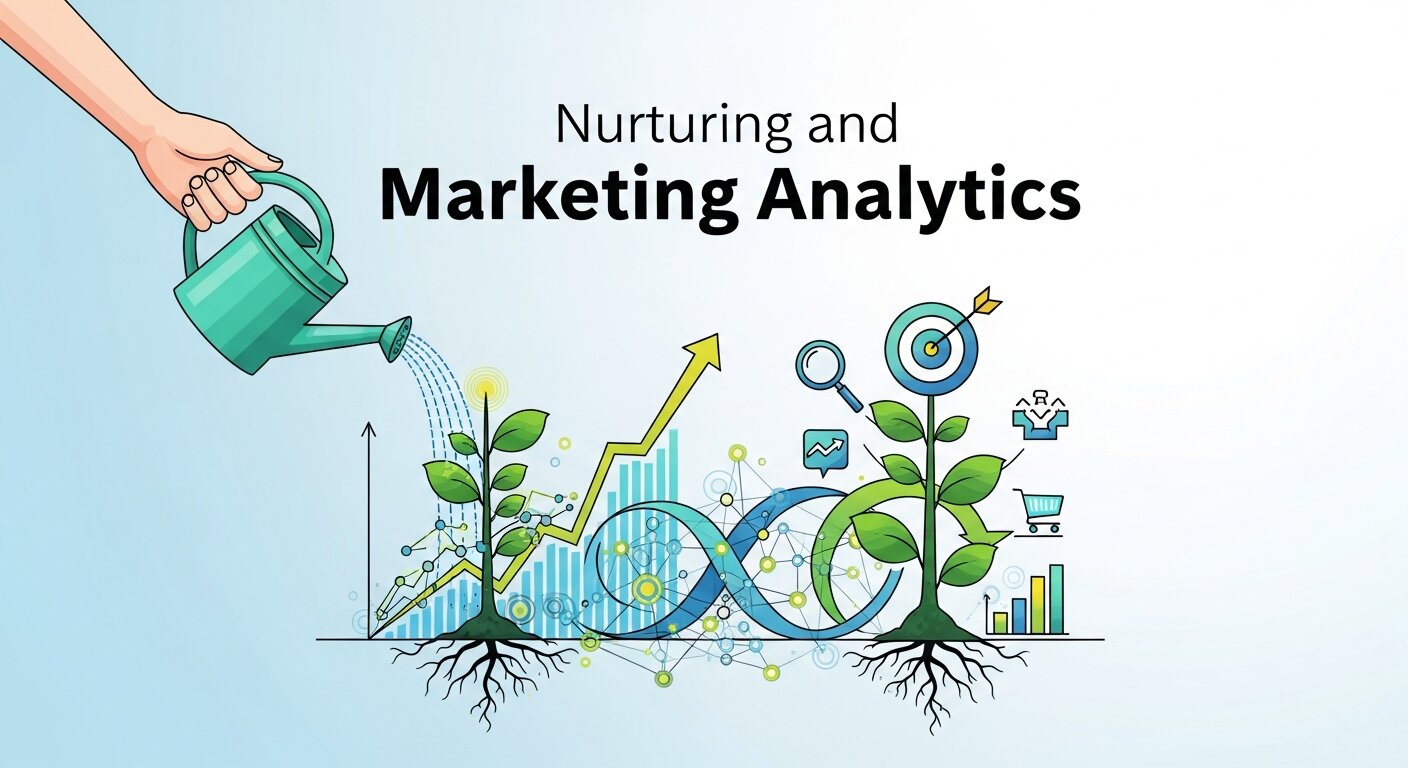
Once you have the emails, you must protect your brand equity. This is where marketing analytics data becomes crucial. By mastering video analytics and digital marketing analytics, you can see what content actually drives clicks.
Segmentation and Personalization
Don’t blast your entire list with the same message. Use customer journey analytics to segment your audience:
- New Subscribers: Send a warm welcome email series.
- High Engagers: Offer them a loyalty program or co-branding opportunities.
- Dormant Users: Use re-engagement campaigns or rebranding case studies to pique their interest.
Maintaining Brand Consistency
Your emails should reflect your brand personality in marketing. Whether you use sonic branding (audio cues in videos) or a specific brand voice, consistency builds the trust required for personal reputation management and long-term sales.
Overcoming Challenges in Email Marketing
Brand Crisis and Reputation Management
If your list growth stalls or you face negative feedback, employ crisis management services and online PR services. Maintaining a clean list involves ethical link building and avoiding “spammy” tactics that could hurt your brand safety in digital marketing.
The Technical Side: Data and SEO
Don’t overlook the importance of technical SEO and video SEO. If your landing pages don’t rank on Google (using insights from SEMrush or Ahrefs), you won’t get organic traffic to your sign-up forms. Use marketing analytics tools to measure your SEO success and adjust your content marketing plan accordingly.
Advanced Technical Frameworks for Mastering Email List Building
To truly scale, you must move beyond basic sign-up forms and embrace the technical infrastructure that supports high-volume growth. Mastering email list building in a competitive landscape requires a blend of data integrity, high-level automation, and psychological triggers.
The Architecture of High-Converting Landing Pages
A landing page is the digital storefront for your email list. To optimize for B2B lead generation, every element must be engineered for conversion:
- Social Proof Integration: Use digital reputation management tactics by displaying testimonials, trust badges, and “Joined by 50,000+ professionals” callouts.
- Visual Hierarchy: Your CTA (Call to Action) should contrast with the page background. Whether it’s for a brand refresh announcement or a free webinar tool, the button must be the focal point.
- Mobile Optimization: With the rise of mobile app marketing analytics, we know that over 60% of sign-ups happen on mobile. Ensure your web design & development team prioritizes fast-loading, responsive forms.
Mastering Data Entry and System Integration
As your list grows, manual management becomes impossible. Mastering automation in excel data entry and CRM workflows is essential for maintaining a clean database.
- Automated CRM Data Entry: Use business process automation tools to ensure that when a user signs up via a Salesforce webinar, their data is instantly categorized by interest.
- Real-Time Data Transfer: Implement API integrations between your website and your email service provider (ESP) to ensure real-time trend marketing emails are triggered the moment a user shows interest.
- Data Hygiene: Use data entry automation software to scrub your list of “bounced” emails or duplicates, protecting your brand safety in digital marketing.
Psychological Triggers in Mastering Email List Building
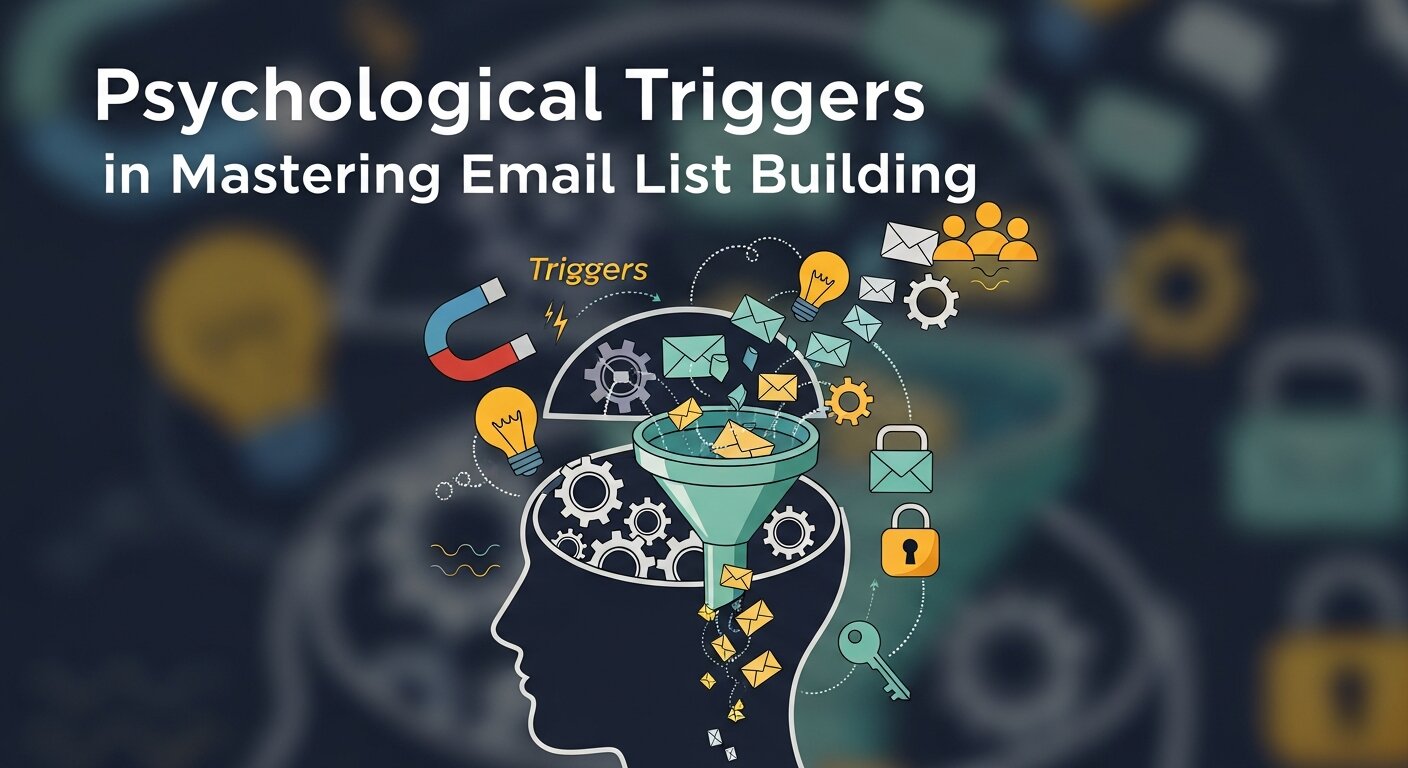
Why do people click “Subscribe”? It usually comes down to a few core psychological drivers that you can bake into your content marketing plan.
- The Power of Exclusive Access: Position your list as an “inner circle.” Using brand positioning strategy, frame your newsletter as a VIP resource that provides predictive trend marketing insights before they hit the mainstream.
- Reciprocity: This is the heart of the lead magnet. By providing a “Complete Guide to Webinar Monetization” or best icebreaker ideas for virtual events for free, you create a psychological “debt” that the user pays by providing their email.
- Urgency and Scarcity: Use marketing FOMO by offering limited-time lead magnets. For example, “Download our Brand Strategy Road Map—Available this week only!”
Synergy Between SEO and List Building
You cannot have a successful list without traffic. Measuring SEO success is directly tied to your subscriber growth.
By using local SEO services and ethical link building, you drive targeted traffic to these gated pages. This ensures that the people joining your list are high-quality leads, not just random “web surfers.”
Leveraging Virtual Events and Webinars
The evolution of webinars has turned them into the ultimate list-building machines. A successful webinar planning phase should include:
- Pre-Event: Collecting emails during registration.
- During Event: Using live webinar software to offer “handouts” that require an email confirmation.
- Post-Event: Sending follow-up emails that include a virtual event cost breakdown or additional resources to keep the conversation going.
Marketing Analytics: The Feedback Loop
To truly succeed at mastering email list building, you must become obsessed with your numbers. Use marketing analytics tools to track:
| Metric | Why It Matters | Related Strategy |
| Conversion Rate | Tells you if your lead magnet is attractive. | Brand Adaptation Strategies |
| List Growth Rate | Measures the overall health of your top-of-funnel. | Viral Content Marketing |
| Email ROI | Calculates revenue generated per subscriber. | Direct Response Marketing |
| Churn Rate | Helps identify if your content is losing relevance. | Brand Crisis Management |
By monitoring video analytics market trends and digital marketing analytics, you can pivot your strategy in real-time. If a video on luxury brand marketing strategy is driving 4x more sign-ups than a text post, you know where to double down.
Building Global Brand Authority
Finally, remember that your email list is a reflection of your personal brand strategy. Whether you are offering payment gateway solutions or app development services, your list is where you build the “Know, Like, and Trust” factor.
Consistently delivering value—whether through creative webinar ideas or insights into ethical branding—ensures that when you finally make an offer, your audience is ready to buy.
Conclusion
Mastering email list building is an ongoing journey of providing value, leveraging automation, and analyzing data. By combining creative webinar ideas with a robust brand strategy framework, you create a resilient business asset. Start today by creating one high-value lead magnet and watch your community—and your revenue—grow through the power of direct connection.
FAQs
1. How often should I email my list?
Consistency is key. Whether it’s weekly or bi-monthly, choose a cadence you can maintain. This helps in building brand authority without overwhelming the subscriber’s inbox.
2. What is a “lead magnet”?
A lead magnet is a free incentive, such as an ebook or manual data entry template, offered in exchange for an email address. It’s the foundation of mastering email list building.
3. Can I buy an email list?
No. Buying lists hurts your brand perception and can lead to being blacklisted by email providers. Always focus on inbound marketing and organic growth.
4. How do I reduce my unsubscribe rate?
Provide consistent value. Use behavioral webinars and personalized communication to ensure the content remains relevant to the user’s specific interests.
5. What is the best platform for webinars?
The right platform for a webinar depends on your goals. Options like Zoom, Demio, or Salesforce webinars are popular for their marketing analytics integrations.
6. How does AI help in email marketing?
AI-driven trend marketing can help predict what subject lines will perform best and what time of day your specific audience is most likely to open their mail.
7. Why is segmentation important?
Segmentation allows for luxury brand marketing precision. You wouldn’t send a beginner’s guide to an expert; segmentation ensures the right message reaches the right person.
8. What is a “welcome email”?
It is the first email sent after someone joins your list. It usually has the highest open rates and is vital for brand positioning.
9. How can I use social media to grow my list?
Use viral content strategies to promote your lead magnets. Direct traffic from your bio or stories to a dedicated landing page for B2B lead generation.
10. What metrics should I track?
Focus on open rates, click-through rates (CTR), and conversion rates. Use digital marketing analytics to understand the customer journey and ROI.