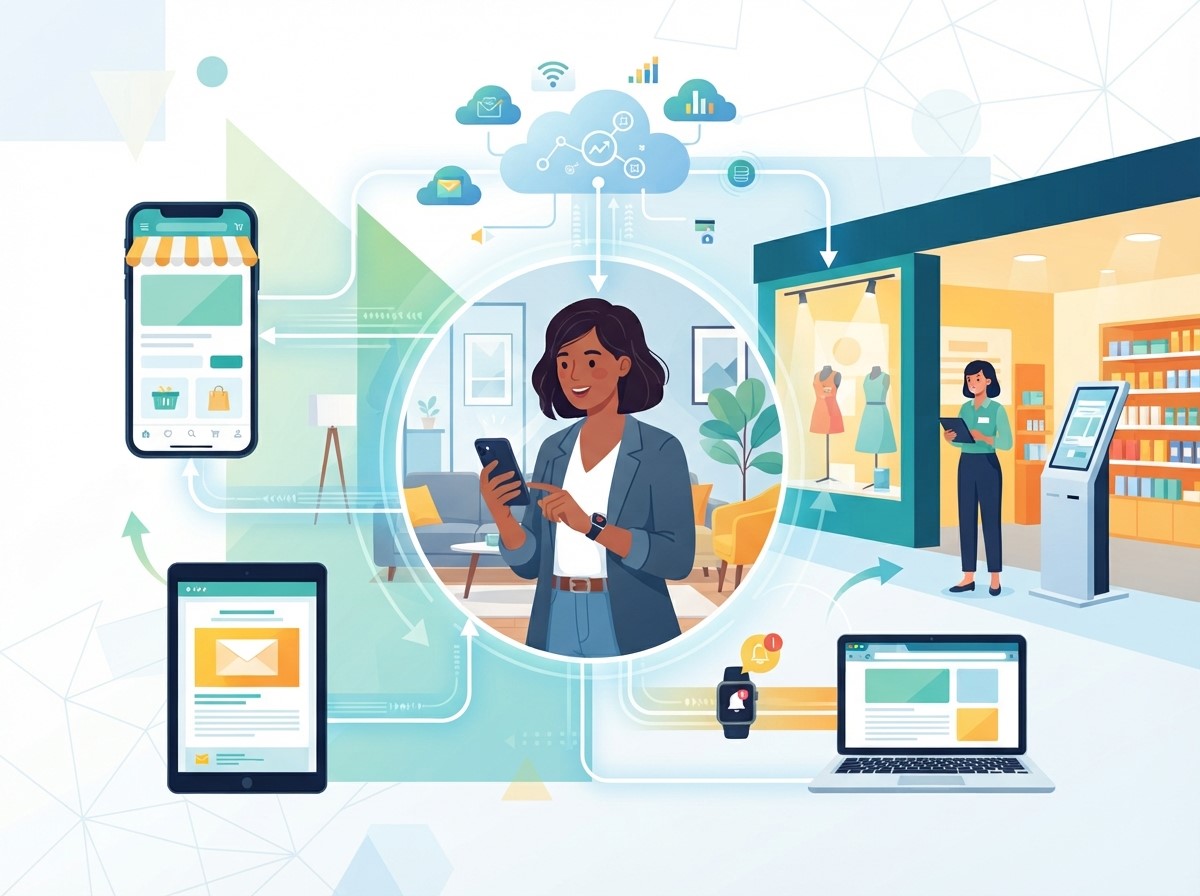
Omnichannel marketing helps businesses create connected and consistent customer experiences across websites, social media platforms, email, mobile applications, physical stores, and other customer touchpoints. Instead of treating each channel as a separate marketing environment, an omnichannel strategy connects them into a unified customer journey. This allows customers to interact with a brand more easily while receiving relevant messaging throughout their buying journey.
Modern customers often move between several channels before making a purchase. They may discover a product on social media, visit a website for more information, receive an email, and complete the purchase through a mobile device. When these interactions are connected, businesses can provide a smoother experience, strengthen customer relationships, and improve marketing efficiency.
What Is Omnichannel Marketing?
Omnichannel marketing is a customer-focused approach that integrates multiple marketing and communication channels into one connected experience. The goal is to ensure that customers receive consistent information, messaging, branding, and service regardless of where they interact with a business.
Connecting Multiple Customer Touchpoints
Businesses can connect websites, social media, email marketing, mobile apps, online stores, physical locations, customer support, and messaging platforms. Instead of operating independently, these channels share relevant customer information and support a continuous journey from awareness to purchase and retention.
A connected approach helps customers move between channels without feeling like they are starting the journey again. For example, a customer who adds a product to a shopping cart on a website can receive a relevant reminder through email or another approved communication channel.
Creating a Unified Customer Journey
A unified journey allows businesses to understand how different interactions contribute to customer decisions. Marketing teams can use customer data and behavioral insights to deliver relevant experiences at different stages.
Consistency does not mean sending exactly the same message everywhere. Instead, it means maintaining consistent brand identity, information, offers, and customer expectations while adapting content to the specific channel.
Why Consistent Customer Experiences Matter

Customer expectations have changed as digital channels have expanded. People expect businesses to recognize previous interactions and provide relevant information without unnecessary repetition. Omnichannel strategies help businesses meet these expectations by connecting customer experiences across multiple platforms.
Building Customer Trust
Consistent communication can make a brand appear more reliable and organized. When product information, pricing, promotions, and brand messaging remain aligned across channels, customers can make decisions with greater confidence.
Trust can also increase when customer service teams have access to relevant interaction history. Customers may not need to explain the same issue repeatedly when their previous interactions are available within connected systems.
Reducing Customer Friction
Customer friction occurs when people encounter unnecessary obstacles while interacting with a business. Examples include inconsistent product information, disconnected customer support, complicated checkout processes, or having to repeat information across channels.
An omnichannel strategy can reduce these problems by creating smoother transitions between platforms. When customers can move from one channel to another without losing context, the overall experience becomes easier and more convenient.
How Omnichannel Marketing Creates Consistency
Omnichannel marketing creates consistency by connecting customer data, messaging, branding, technology, and communication processes. Each part contributes to a more coordinated experience.
Aligning Brand Messaging
A consistent brand message helps customers recognize a business regardless of the platform they use. Visual identity, tone of voice, product information, promotional language, and customer communication should follow clear brand guidelines.
Businesses can adapt the presentation of content for different channels while maintaining the same core message. This balance allows brands to remain recognizable without making every channel feel identical.
Synchronizing Customer Data
Customer data plays an important role in creating connected experiences. Information about purchases, preferences, website activity, support requests, and previous interactions can help businesses understand customer needs.
When appropriate systems are connected, marketing teams can use this information to create more relevant campaigns. Data synchronization can also prevent customers from receiving irrelevant messages based on outdated or incomplete information.
The Role of Automation in Omnichannel Marketing
Automation can make omnichannel marketing more efficient by helping businesses manage repetitive tasks across multiple customer touchpoints. Instead of manually coordinating every communication, businesses can create workflows that trigger actions based on customer behavior and predefined conditions.
Using Business Process Automation
Business process automation can support omnichannel operations by automating repetitive workflows related to marketing, sales, customer support, and data management. For example, businesses can automate lead routing, customer notifications, follow-up sequences, campaign workflows, and internal task assignments.
Automation helps teams reduce manual work while maintaining consistent processes. When workflows are properly designed, customers can receive timely communication without requiring employees to manually initiate every interaction.
Automating Customer Communication
Automated communication can help businesses respond to customer actions at the right stage of the journey. A customer who downloads a resource may receive a follow-up email, while a returning customer may receive content related to previous interactions.
The objective should not be to automate every conversation. Human support remains important for complex questions and sensitive situations. Automation works best when it supports employees and improves the speed and consistency of routine communication.
Maintaining Brand Consistency Across Channels
A strong omnichannel strategy requires businesses to maintain a recognizable brand across every customer-facing platform. Customers should be able to identify the same company whether they interact through a website, social network, email, mobile application, or physical location.
Standardizing Brand Guidelines
Brand guidelines can define acceptable visual elements, messaging styles, tone, terminology, and communication standards. These guidelines help different teams maintain consistency when creating content for different channels.
Clear standards are especially useful for growing organizations where multiple employees or departments create customer-facing content. A shared framework reduces the risk of conflicting messages and inconsistent presentation.
Supporting Automated Brand Management
Automated brand management can help businesses maintain brand consistency as their digital presence expands. Automation can assist with monitoring brand assets, organizing content workflows, managing repetitive brand-related tasks, and identifying inconsistencies that require attention.
When automation is combined with clear brand standards, businesses can manage larger numbers of channels more efficiently while maintaining a consistent identity.
Monitoring Customer Experiences Across Channels
Creating consistency requires ongoing monitoring. Customer expectations, campaign performance, and digital interactions can change over time, so businesses should regularly review how customers experience different touchpoints.
Tracking Brand Mentions and Signals
Automated brand monitoring can help businesses track mentions, conversations, reviews, and other relevant signals across digital platforms. Monitoring can provide useful information about how customers perceive a brand and where potential issues may appear.
By identifying relevant conversations quickly, marketing and customer service teams can investigate problems and respond appropriately. Monitoring also provides insight into frequently discussed products, customer concerns, and emerging topics.
Identifying Experience Gaps
Businesses should examine whether customers receive consistent information throughout their journeys. An experience gap may occur when an advertisement promotes one offer while the website displays another, or when customer service lacks information about a previous interaction.
Regular audits can reveal these gaps and help teams improve communication, data synchronization, and channel coordination.
Using Customer Data for Better Personalization
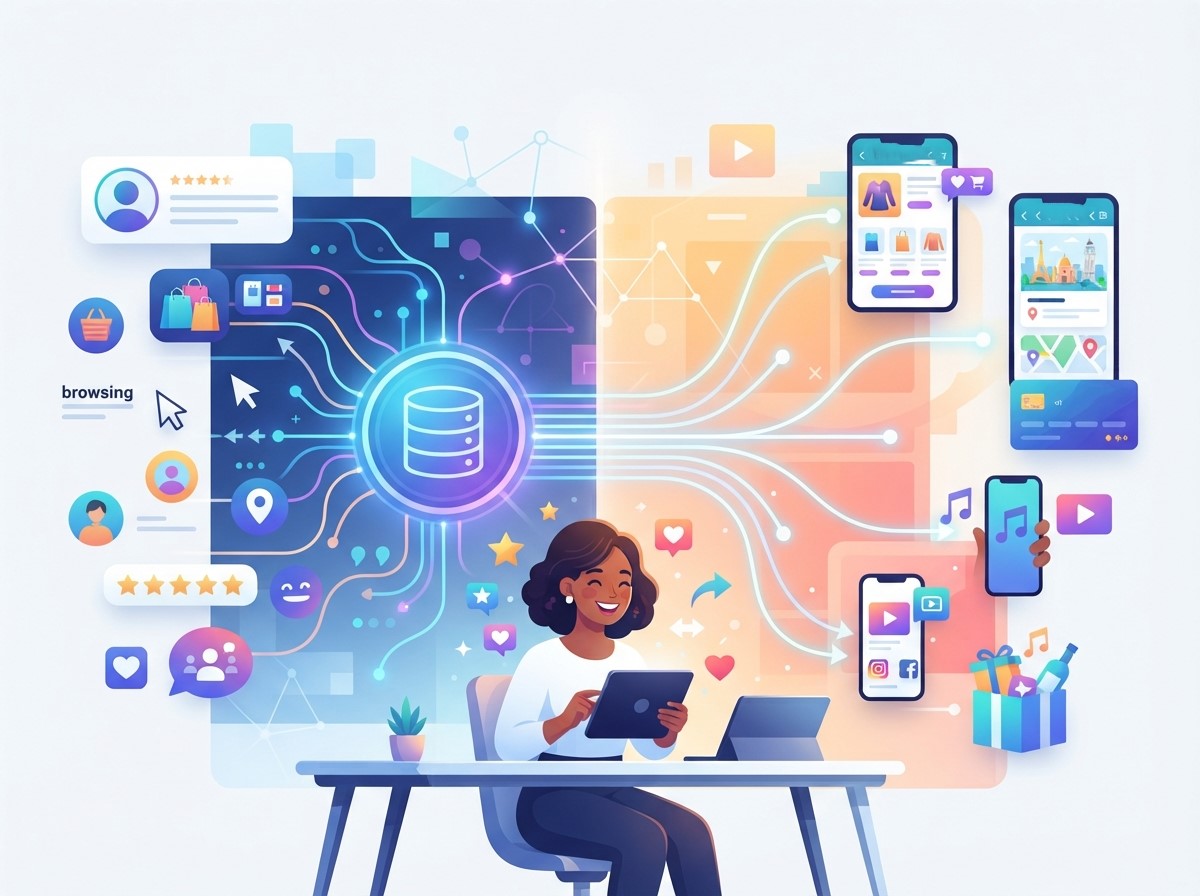
Omnichannel marketing can support personalization by connecting information from different customer interactions. Businesses can use relevant data to understand customer preferences, engagement patterns, and purchase behavior.
Delivering Relevant Content
Customers are more likely to engage with content that matches their interests and current needs. A connected data strategy can help businesses deliver relevant product recommendations, educational content, offers, and follow-up communication.
Personalization should be based on appropriate customer information and clear data practices. Businesses should also respect privacy requirements and avoid using customer information in ways that feel intrusive.
Improving Customer Retention
Consistent experiences can support long-term customer relationships. After a purchase, businesses can continue engagement through helpful content, product education, support communication, loyalty programs, or relevant recommendations.
When these interactions are connected across channels, customers can receive more coherent post-purchase experiences. This can help businesses remain useful to customers beyond the initial transaction.
Measuring Omnichannel Marketing Performance
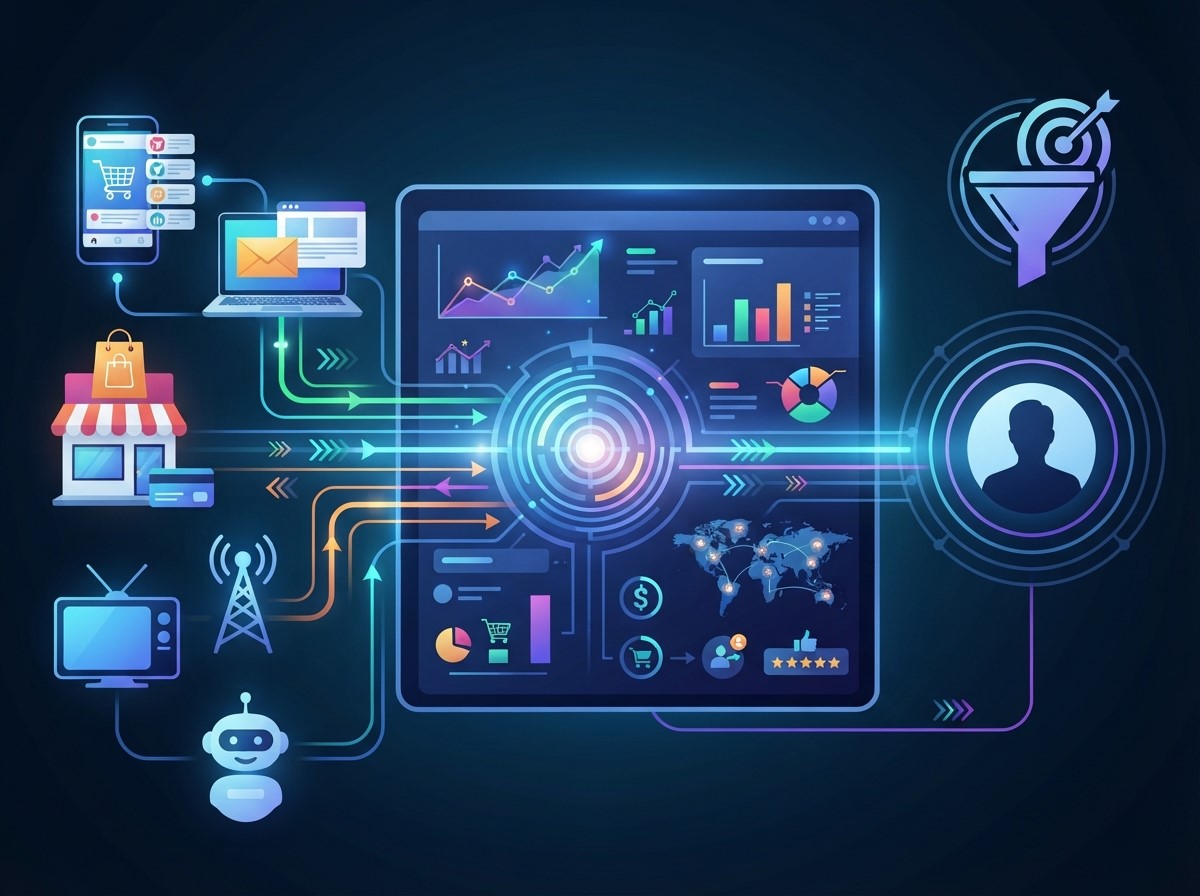
Measuring performance is essential for understanding whether an omnichannel strategy is delivering useful business and customer outcomes. Businesses should evaluate both individual channels and the complete customer journey.
Tracking Customer Journey Metrics
Useful measurements may include conversion rates, customer engagement, repeat purchases, customer retention, response rates, and assisted conversions. Looking at the complete journey can provide more context than measuring each channel independently.
For example, social media may introduce a customer to a brand while email or a website eventually supports the purchase. Evaluating the entire journey helps businesses understand how channels work together.
Improving Campaign Performance
Performance data can reveal which messages, channels, and customer journeys need improvement. Businesses can test different content, offers, timing, and communication sequences to identify opportunities for optimization.
Continuous testing allows an omnichannel strategy to evolve with customer behavior. Instead of relying on assumptions, businesses can use performance information to make informed improvements.
Best Practices for Omnichannel Marketing
Successful omnichannel marketing requires more than simply using multiple platforms. Businesses need connected processes, reliable data, consistent branding, and a clear understanding of customer needs.
Start With the Customer Journey
Map the major stages customers experience, from discovery and consideration to purchase, support, and retention. Identify the channels customers use at each stage and examine where transitions may create friction.
This approach helps businesses prioritize the interactions that matter most instead of trying to connect every possible channel immediately.
Integrate Marketing and Customer Support
Marketing and customer support teams should have access to relevant information and shared customer insights. Collaboration can prevent contradictory communication and help customers receive more consistent assistance.
When teams work from connected information, they can better understand customer needs and respond with greater context.
Review and Improve Regularly
Omnichannel strategies should be reviewed regularly because customer behavior and digital platforms continue to change. Businesses can analyze customer feedback, campaign data, conversion patterns, and support interactions to identify areas for improvement.
Regular optimization keeps the customer experience aligned with changing expectations while helping businesses use their marketing resources more effectively.
Conclusion
Omnichannel marketing helps businesses create connected customer experiences by bringing different channels, data, communication processes, and brand interactions together. A consistent experience can reduce customer friction, strengthen trust, support personalization, and create smoother journeys from discovery to retention.
Automation can further improve efficiency by supporting repetitive workflows, customer communication, brand processes, and monitoring activities. With Business process automation, Automated brand monitoring, and Automated brand management, businesses can coordinate growing digital operations while maintaining greater consistency.
Frequently Asked Questions
1. What is omnichannel marketing?
Omnichannel marketing is a strategy that connects multiple customer-facing channels to create a unified and consistent customer experience. It can include websites, social media, email, mobile apps, stores, and customer support.
2. How does omnichannel marketing improve customer experience?
It helps customers move between different channels without losing context. Consistent information, connected data, and coordinated communication can reduce friction and make interactions more convenient.
3. What is the difference between omnichannel and multichannel marketing?
Multichannel marketing uses several channels, but they may operate independently. Omnichannel marketing focuses on connecting those channels so customers experience a more unified journey.
4. Can small businesses use omnichannel marketing?
Yes. Small businesses can start with a few important channels based on customer behavior. They can gradually connect additional platforms as their customer base and marketing operations grow.
5. How does automation support omnichannel marketing?
Automation can manage repetitive tasks such as follow-ups, notifications, customer segmentation, campaign workflows, and internal processes. This can improve efficiency and communication consistency.
6. What is Business process automation?
Business process automation uses technology to automate repetitive and structured business workflows. In omnichannel marketing, it can support lead management, customer communication, campaign processes, and internal coordination.
7. Why is brand consistency important across channels?
Brand consistency helps customers recognize and understand a business regardless of where they interact with it. Consistent messaging and presentation can also support trust and reduce confusion.
8. What is Automated brand monitoring?
Automated brand monitoring uses technology to track relevant brand mentions, conversations, reviews, and digital signals. It can help businesses identify customer feedback and potential reputation issues more efficiently.
9. How does Automated brand management help businesses?
Automated brand management can support repetitive brand-related processes, content workflows, asset organization, and consistency checks. It can help teams manage a larger digital presence more efficiently.
10. How can businesses measure omnichannel marketing success?
Businesses can track metrics such as engagement, conversions, retention, repeat purchases, customer response rates, and customer journey performance. Evaluating multiple touchpoints together provides a broader view of campaign effectiveness.