
Understanding Artificial Intelligence
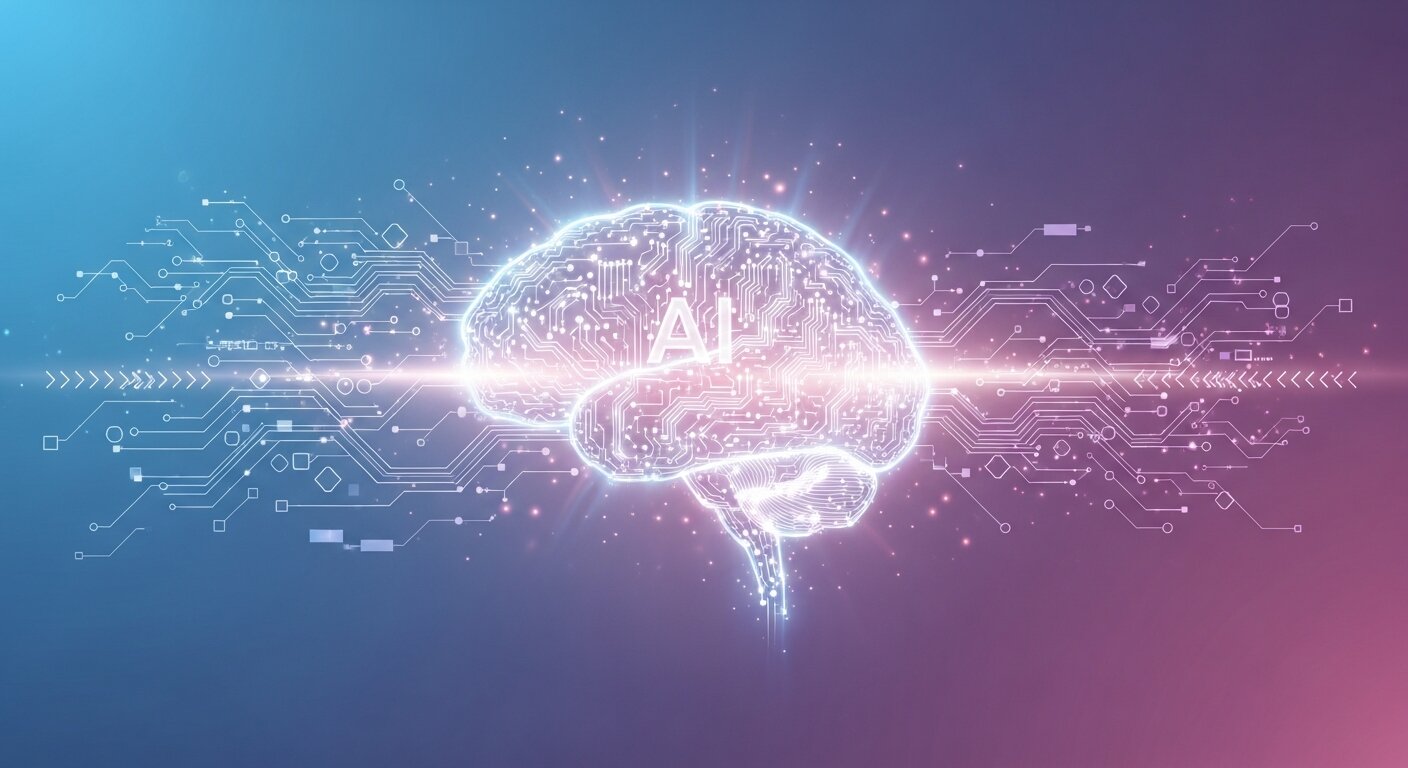
So, what is artificial intelligence? Artificial intelligence (AI) refers to the creation of systems or machines that can perform tasks that normally require human intelligence. These tasks include learning from data, reasoning through complex problems, making decisions, understanding and generating human language, and perceiving the environment through sensors or cameras. AI systems are designed to analyze information, recognize patterns, and adapt their actions based on the data they process, allowing them to operate with efficiency and accuracy beyond human capabilities.
At its core, AI aims to mimic human thought processes and behaviors—but at speeds, scales, and consistency that far surpass what humans can achieve on their own. These systems rely on advanced algorithms, large datasets, and computational power to “think,” solve problems, and even make autonomous decisions, making AI a critical technology driving innovation across industries and daily life.
Key Concepts of AI
- Machine Learning (ML): A subset of AI where machines learn from data without being explicitly programmed.
- Natural Language Processing (NLP): AI’s ability to understand and generate human language.
- Computer Vision: The capability for AI systems to interpret and analyze visual data from the world, such as images and videos.
- Neural Networks: Modeled loosely after the human brain, these structures power much of AI’s decision-making capabilities.
AI ranges from narrow intelligence, designed to complete specific tasks (e.g., facial recognition), to artificial general intelligence (AGI), which mimics the broad ability of humans to perform varied intellectual tasks. While AGI remains theoretical for now, advances in narrow AI are rapidly changing the world.
The Origins and Evolution of Artificial Intelligence

AI may dominate present-day conversation, but its roots go back to the mid-20th century. The term “artificial intelligence” was first coined in 1956 during the Dartmouth Summer Research Project. Early AI pioneers envisioned creating machines capable of thinking, learning, and reasoning.
Today, advances in programmable automation and real-time data syncing have accelerated AI’s growth, making technologies like virtual assistants, recommendation engines, and autonomous systems widely available.
However, progress in those early days was limited due to a lack of computing power and data. Fast-forward to recent decades, and factors like exponential data availability, enhanced computational power, and better algorithms have led to monumental breakthroughs in AI.
Some everyday AI-powered tools you encounter now include:
- Search engines like Google that predict your queries.
- Recommendation systems like Netflix or Spotify that suggest content tailored for you.
- Virtual assistants and chatbots, simplifying personal and business interactions.
Types of Artificial Intelligence
AI systems fall under a few general categories based on their capabilities and functions:
Reactive Machines
Reactive machines represent the most basic form of AI. These systems do not retain any past experiences or data; they operate solely based on current inputs. As a result, their decision-making is straightforward but limited—they cannot learn or improve over time. A classic example is IBM’s Deep Blue, the chess-playing computer that defeated world champion Garry Kasparov in 1997. Deep Blue could evaluate countless possible moves and respond strategically, but it had no memory of previous games or the ability to adapt its strategy beyond the programmed logic.
Limited Memory
Limited memory AI is more advanced and forms the backbone of most modern AI systems. These systems can store past experiences and data to influence future decisions, allowing them to “learn” over time. Self-driving cars are a prime example: they collect information about surrounding traffic, road conditions, and pedestrian behavior to make safe driving decisions. Similarly, AI in recommendation engines uses historical data to suggest movies, products, or services based on user preferences, improving performance continuously as more data is gathered.
Theory of Mind
Theory of mind AI is still largely theoretical but represents the next step in AI development. Such systems would not only process data but also understand human emotions, intentions, beliefs, and social cues. Potential applications include highly advanced robotics, virtual therapists capable of empathetic interactions, or AI assistants that can better anticipate human needs. Achieving this level of AI would require breakthroughs in emotional intelligence and contextual understanding.
Self-Aware AI
Self-aware AI is the ultimate, yet entirely hypothetical, stage of artificial intelligence. These systems would possess human-like consciousness, self-awareness, and individuality. In theory, self-aware AI could reflect on its actions, make independent judgments, and potentially develop desires or intentions. While it remains a concept for now, it raises important ethical questions about responsibility, rights, and the potential risks of creating machines with self-consciousness.
Real-Life Applications of AI
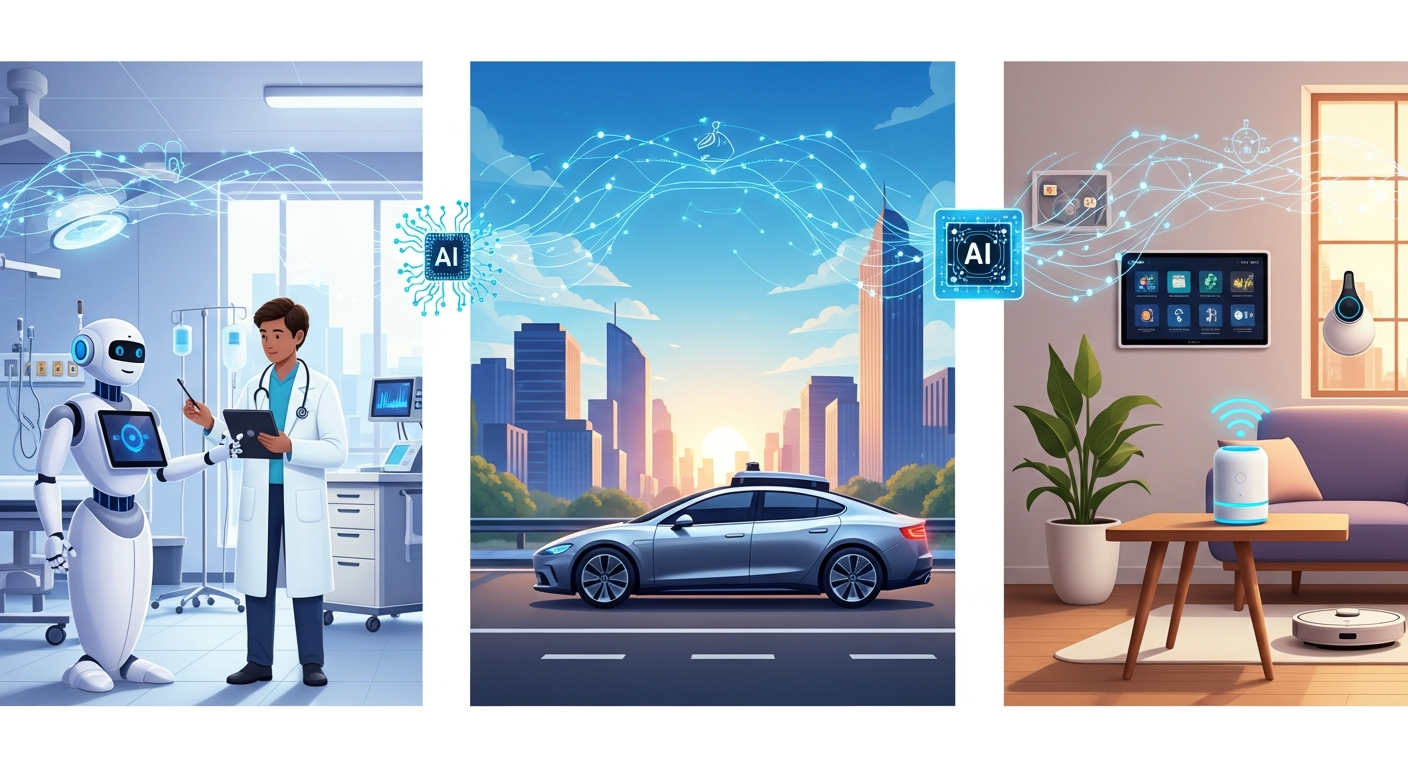
AI is not just theoretical or limited to computer science labs. It permeates nearly every industry and impacts businesses and individuals in profound ways:
Healthcare
AI improves diagnosis accuracy, predicts patient risks, and supports robotic surgeries. AI tools paired with CRM data management strategies enhance patient record accuracy. Machine learning algorithms analyze medical images to detect patterns that may be invisible to the human eye, helping radiologists identify tumors, fractures, or other abnormalities faster and more precisely. AI also supports personalized medicine by analyzing a patient’s genetic information, lifestyle, and medical history to suggest tailored treatment plans. Additionally, virtual health assistants and AI-powered chatbots provide patients with 24/7 guidance, helping manage chronic conditions and improve access to care.
Finance
In the financial sector, AI is being used to improve security, efficiency, and customer experience. Banks and fintech companies leverage AI algorithms to detect fraudulent transactions in real-time and analyze financial risk with greater accuracy. Personalized financial advice is increasingly delivered through AI-powered tools that assess spending habits, investment goals, and market trends. AI chatbots are also revolutionizing customer service by handling routine inquiries, assisting with account management, and providing instant responses, which frees up human agents for more complex tasks. Overall, AI allows financial institutions to make faster, data-driven decisions while enhancing trust and customer satisfaction.
Retail and E-Commerce
AI is reshaping retail by creating highly personalized shopping experiences and optimizing operational processes. Recommendation engines suggest products based on past behavior and preferences, increasing sales and customer satisfaction. Virtual fitting rooms powered by AI allow shoppers to visualize how clothing or accessories will look without physically trying them on. Dynamic pricing algorithms adjust costs in real-time according to demand, competition, or inventory levels. Beyond the customer-facing side, retailers like Amazon use AI to manage supply chains efficiently, predict demand, and plan logistics routes, ensuring faster delivery times and reduced operational costs.
Transportation and Logistics
AI is rapidly transforming transportation and logistics, extending far beyond self-driving cars and drones. Predictive analytics allow transportation companies to anticipate traffic patterns, identify potential delays, and optimize routes in real-time, reducing fuel consumption and improving delivery speed. AI systems also monitor vehicle health and predict maintenance needs, enhancing safety and reliability. In logistics, AI assists in warehouse management, automating inventory tracking, and improving order fulfillment accuracy. These applications collectively make transportation more efficient, cost-effective, and safer for businesses and consumers alike.
AI predicts traffic patterns, schedules deliveries, and monitors vehicle maintenance. Integrating AI with unlocking growth with data-driven marketing solutions demonstrates the power of combining operational and marketing data.
Education
AI is playing an increasingly important role in education, making learning more personalized, interactive, and efficient. Intelligent tutoring systems adapt to a student’s learning pace, providing targeted lessons and exercises to strengthen weak areas. AI tools can grade assignments automatically, freeing educators to focus on instruction and mentorship. Virtual classrooms and AI-powered educational apps offer interactive experiences, from language learning to STEM subjects, that engage students in innovative ways. Additionally, AI helps identify students who may need extra support, ensuring that interventions are timely and effective, and making education more accessible and equitable.
Entertainment
From Netflix’s recommendation engine to video game character behavior, AI has become an integral part of how we consume entertainment content.
Read our latest blog : Textual Data Entry
Benefits and Challenges of Artificial Intelligence
Benefits
- Efficiency and Productivity: AI enables automated decision-making and repetitive tasks at scale, saving time and resources.
- Customization: AI provides tailored experiences, from personalized shopping recommendations to targeted marketing.
- Better Insights: AI processes massive datasets to uncover trends and insights humans might miss.
- Safety: AI-powered technologies like predictive maintenance or autonomous driving reduce risks and improve safety.
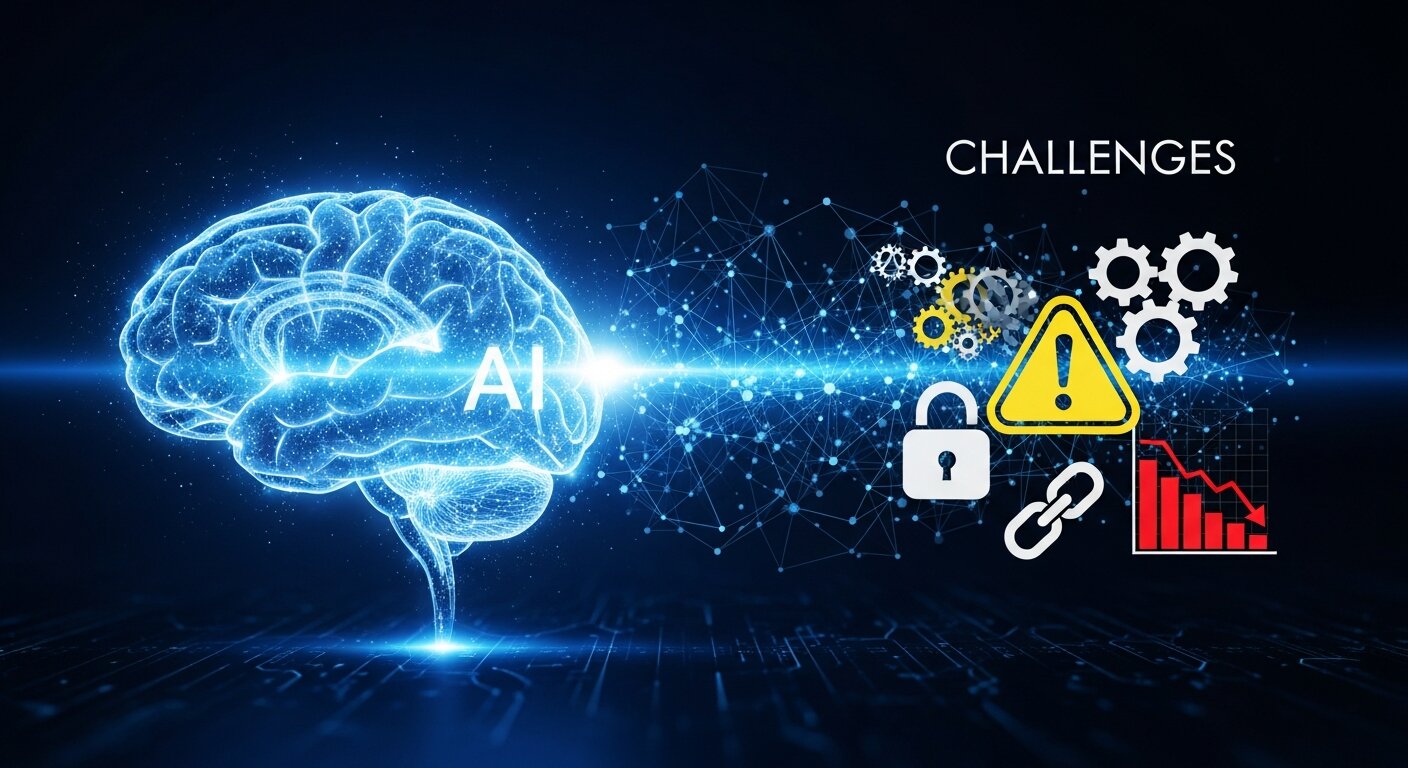
Challenges
- Bias in Data: AI systems are only as good as the data they are trained on. Biased data can lead to unfair outcomes.
- Ethical Concerns: From job displacement to surveillance concerns, AI raises many societal and ethical debates.
- Cost: Developing and deploying AI systems can be expensive for businesses, especially smaller ones.
- Black Box Problem: Many AI decisions are difficult to interpret, creating issues around accountability.
How Businesses Can Harness Artificial Intelligence
For companies, understanding AI is no longer optional—it’s a strategic imperative. Businesses can leverage AI to optimize operations, improve customer engagement, and enhance decision-making. For example, AI analytics platforms can identify trends in consumer behavior, allowing companies to create highly targeted marketing campaigns.
Companies can use AI to optimize operations, improve customer engagement, and enhance decision-making. Tools for automating data entry and integrating real-time analytics allow businesses to streamline workflows, reduce errors, and scale intelligently. Starting with small pilot projects, partnering with AI experts, or training employees ensures AI adoption aligns with organizational goals and maximizes ROI.
AI-powered automation can also streamline supply chain management. From predicting inventory demand to optimizing delivery routes, businesses can reduce waste and improve efficiency. Furthermore, AI chatbots enhance customer service by providing instant responses to inquiries, freeing human agents for more complex tasks.
The key for businesses is to start small, experiment with AI applications, and scale solutions that demonstrate measurable benefits. Partnering with AI specialists or investing in employee training ensures that the organization can fully capitalize on AI’s potential.
Common Misconceptions About Artificial Intelligence
Despite its growing presence, AI is often misunderstood. One common misconception is that AI will immediately lead to sentient machines capable of independent thought. In reality, current AI excels at specific tasks but lacks consciousness, intuition, or moral judgment.
Another misconception is that AI inherently replaces human workers. While AI can automate routine tasks, it is most effective when combined with human oversight and expertise. Organizations that view AI as a tool to augment human capability, rather than a replacement, often see the greatest productivity gains.
Understanding these nuances is essential when answering the fundamental question: What Is Artificial Intelligence? AI is not magic—it is a set of technologies designed to perform tasks that typically require human intelligence, with both vast potential and inherent limitations.
The Future of AI
The future of AI holds boundless possibilities, from tackling climate change to finding cures for diseases. However, as advancements continue, striking a balance between innovation, ethics, and regulation will be critical. Collaborative efforts among governments, tech companies, and society will shape how far AI can take us.
For businesses, the overarching message is clear. AI is no longer a futuristic concept; it is a tool for competitive advantage. Early adoption and understanding of AI’s capabilities will prepare organizations for the next wave of technological change.
Taking the Next Steps to Explore AI
Whether you’re an individual aiming to gain a deeper understanding of AI’s impact or a business exploring ways to integrate it into your operations, taking proactive steps is essential. Begin by educating yourself about the various types of AI, its applications, and real-world examples relevant to your goals. Experimenting with AI-powered tools—such as virtual assistants, analytics platforms, or automation software—can provide hands-on experience and help you see the technology’s potential firsthand.
For businesses, starting small with pilot projects or limited deployments can reveal practical benefits while minimizing risk. Consulting AI experts or partnering with technology providers can also guide strategy, ensuring that AI adoption aligns with your objectives and resources. Additionally, staying informed about ethical considerations, industry trends, and emerging AI innovations will prepare you to make smarter decisions as the technology continues to evolve.
Artificial intelligence is not just transforming existing systems; it is opening doors to entirely new possibilities, creating opportunities to innovate, solve complex problems, and rethink how we work and live. The journey into AI may seem complex, but with curiosity, experimentation, and thoughtful planning, anyone can begin to harness its transformative potential.
Frequently Asked Questions (FAQ)
What Is Artificial Intelligence and how does it work?
Artificial intelligence refers to systems or machines that can perform tasks typically requiring human intelligence, such as learning, reasoning, problem-solving, and understanding language. These systems work by analyzing large datasets and using algorithms to make decisions or predictions.
What Is Artificial Intelligence used for in everyday life?
AI is widely used in search engines, virtual assistants, recommendation systems, self-driving cars, and healthcare tools. It helps personalize experiences, automate tasks, and improve decision-making in both personal and professional contexts.
What Is Artificial Intelligence in business applications?
Businesses use AI to enhance customer service, optimize operations, predict consumer behavior, detect fraud, and personalize marketing campaigns. AI allows companies to make faster, data-driven decisions with higher accuracy.
What Is Artificial Intelligence vs. Machine Learning?
Machine Learning (ML) is a subset of AI. While AI encompasses all systems designed to mimic human intelligence, ML specifically involves machines learning from data to improve performance over time without explicit programming.
What Is Artificial Intelligence in healthcare?
In healthcare, AI helps detect diseases early, assists doctors in diagnosis, enables robotic surgeries, and provides personalized treatment plans. AI tools can analyze medical images, predict patient risks, and even suggest preventive measures.
What Is Artificial Intelligence and its future impact?
AI’s future promises more automation, smarter decision-making, and potential breakthroughs in fields like climate science, medicine, and robotics. However, ethical, regulatory, and social considerations will shape how AI is deployed responsibly.
What Is Artificial Intelligence in education?
AI in education personalizes learning by analyzing student performance and adapting lessons to individual needs. It can grade assignments, provide tutoring, and suggest learning resources, making education more efficient and engaging.
What Is Artificial Intelligence in transportation?
AI in transportation helps optimize traffic flow, predict vehicle maintenance, and enable self-driving cars. It improves safety, reduces travel time, and enhances logistics planning for both public and private transportation systems.
What Is Artificial Intelligence in entertainment?
In entertainment, AI powers recommendation engines for streaming platforms, designs video game behaviors, and even creates music or art. It helps deliver more personalized and immersive experiences for users.
What Is Artificial Intelligence and its role in cybersecurity?
AI enhances cybersecurity by detecting unusual patterns, predicting threats, and responding to attacks in real time. It helps businesses protect sensitive data and prevent cybercrime more efficiently than traditional methods.