This guide explores how medicine artificial intelligence in healthcare is reshaping the industry. We will cover AI’s role in early diagnostics, personalized treatment plans, hospital efficiency, and supporting advancements like Robotic Process Automation for Data Entry and AI Data Entry Automation. You’ll also learn about the challenges such as data privacy and the promising future of robotic surgery and virtual assistants.
How Artificial Intelligence is Transforming Diagnostics
One of the most immediate impacts of medicine artificial intelligence in healthcare is the dramatic improvement in diagnostic accuracy and speed. From Automating Data Entry in Traffic Noise Models to real-time API for Real-Time Data Sync, AI is transforming the foundation of efficient, fast, and accurate diagnostics.
Enhanced Disease Detection
The integration of medicine artificial intelligence in healthcare has led to groundbreaking advancements in detecting diseases at their earliest, most treatable stages. Algorithms trained on millions of medical images can now spot anomalies that might escape the human eye.
For example, in radiology, AI tools are used to analyze X-rays, CT scans, and MRIs. These tools can highlight potential tumors, fractures, or other abnormalities, acting as a second set of highly specialized eyes for radiologists. This doesn’t replace the doctor; it augments their capabilities, allowing them to focus on complex cases rather than routine screening.
A notable application is in dermatology, where AI apps can analyze skin lesions to screen for melanoma with accuracy rates comparable to board-certified dermatologists. This democratization of diagnostics means patients in remote areas can access high-level screening, leveraging innovations like Automated Data Entry Form Today and Revolutionize Data Entry with OCR and AI.
Predictive Risk Assessments
Beyond identifying what is currently wrong, medicine artificial intelligence in healthcare excels at predicting what could go wrong. By analyzing vast datasets—including electronic health records, genetic information, and lifestyle data—AI models can risk-stratify patients, harnessing Mastering Real Time Data Syncing and Automation Data Entry.
This predictive capability shifts the healthcare paradigm from reactive to proactive. Instead of waiting for a heart attack to occur, AI can flag a patient as high-risk based on subtle patterns in their blood pressure, cholesterol levels, and family history. Physicians can then intervene with lifestyle changes or preventative medication years before an acute event occurs.
Key Benefits of AI Diagnostics:
- Speed: Analysis of scans in seconds rather than minutes or hours thanks to AI Data Entry Automation.
- Consistency: AI provides the same standard of analysis at 2 AM as it does at 9 AM. Mastering Automation in Excel Data Entry helps ensure reliability in hospital data flows.
- Early Detection: Identifying patterns invisible to the human eye to catch diseases sooner using tools like Automate Data Entry and Reclaim.
Personalized Treatment Plans with AI
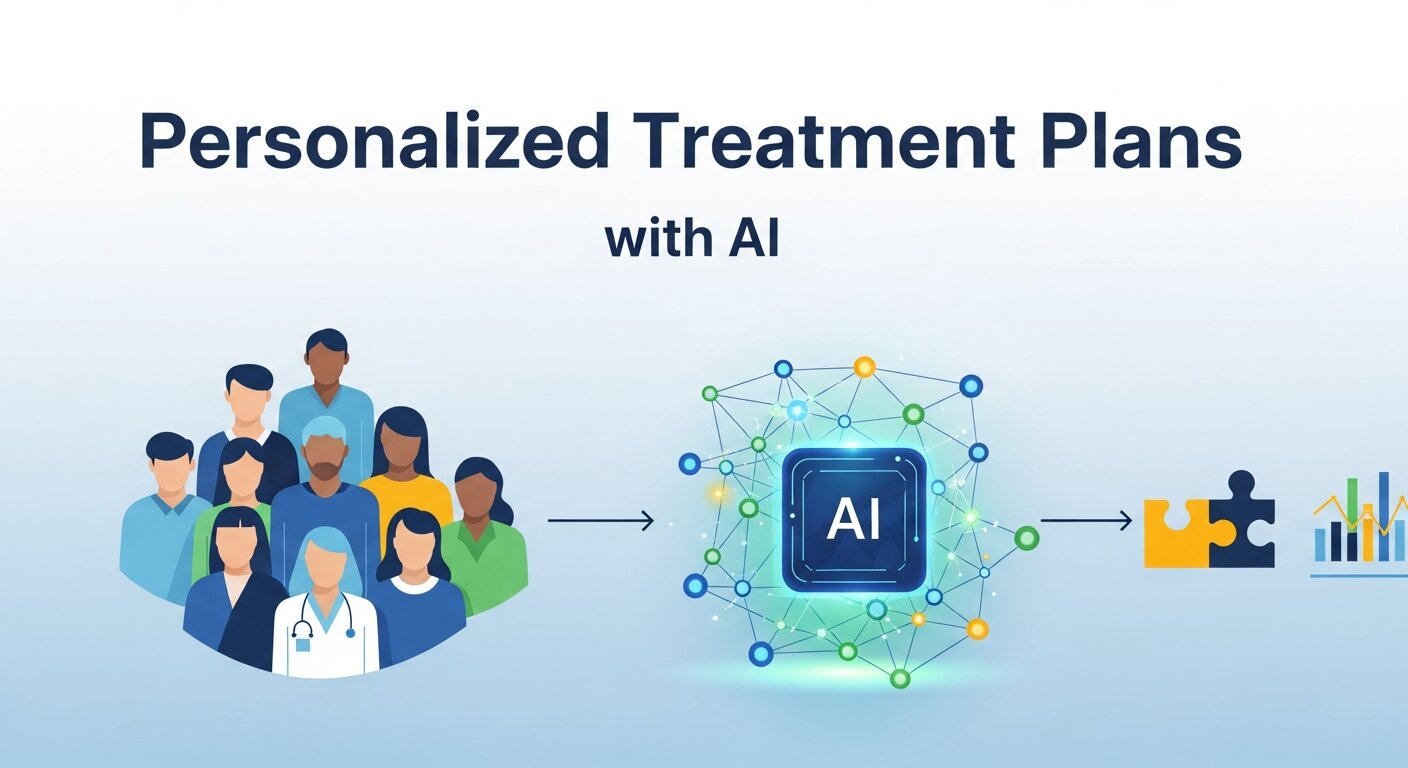
The “one-size-fits-all” approach to medicine is rapidly becoming obsolete, thanks to medicine artificial intelligence in healthcare and solutions for Precision Medicine and Tailored Therapies supported by Programmable Automation Work.
Precision Medicine and Tailored Therapies
Medicine artificial intelligence in healthcare is the engine driving precision medicine. By processing genomic data, AI can identify specific genetic mutations driving a disease. Key players leverage Best Tools to Build Artificial Intelligence and Building AI to enhance these approaches.
For example, IBM Watson for Oncology can analyze a patient’s medical record against thousands of medical journals and clinical trials to recommend personalized treatment options. This capability ensures that treatment plans are based on the very latest medical research, something no single human doctor could keep up with manually.
Optimized Treatment Monitoring
Once a treatment plan is in place, medicine artificial intelligence in healthcare continues to play a vital role. Wearable devices and remote monitoring tools use AI to track patient vitals in real-time, supported by Excel Automate Data Entry and Workflow with Data Entry Automation Software.
If a patient with heart failure starts retaining fluid—a sign of worsening condition—an AI algorithm monitoring their weight and blood pressure can alert the care team immediately. This allows for rapid medication adjustments, helping to Automate Manual Data Entry and prevent readmissions.
AI in Drug Discovery
Developing a new drug is historically slow and expensive. Medicine artificial intelligence in healthcare is shortening this timeline. AI algorithms now simulate how different molecules interact with biological targets, supported by How to Automate Data Entry and Python Data Entry Automation. This ensures that promising candidates are identified swiftly and cost-effectively.
Table: Traditional Medicine vs. AI-Enhanced Medicine
|
Feature |
Traditional Medicine |
AI-Enhanced Medicine |
|---|---|---|
|
Diagnostics |
Reactive, symptom-based |
Proactive, predictive, data-driven via Automated Data Entry AI |
|
Treatment |
Standardized protocols |
Personalized, genomic-based, enabled by Building AI |
|
Monitoring |
Periodic check-ups |
Continuous, real-time remote monitoring with API for Real-Time Data Sync |
|
Drug Discovery |
Trial and error, slow |
Simulation-based, accelerated, powered by Best Tools to Build Artificial Intelligence |
The Role of AI in Hospital Operations
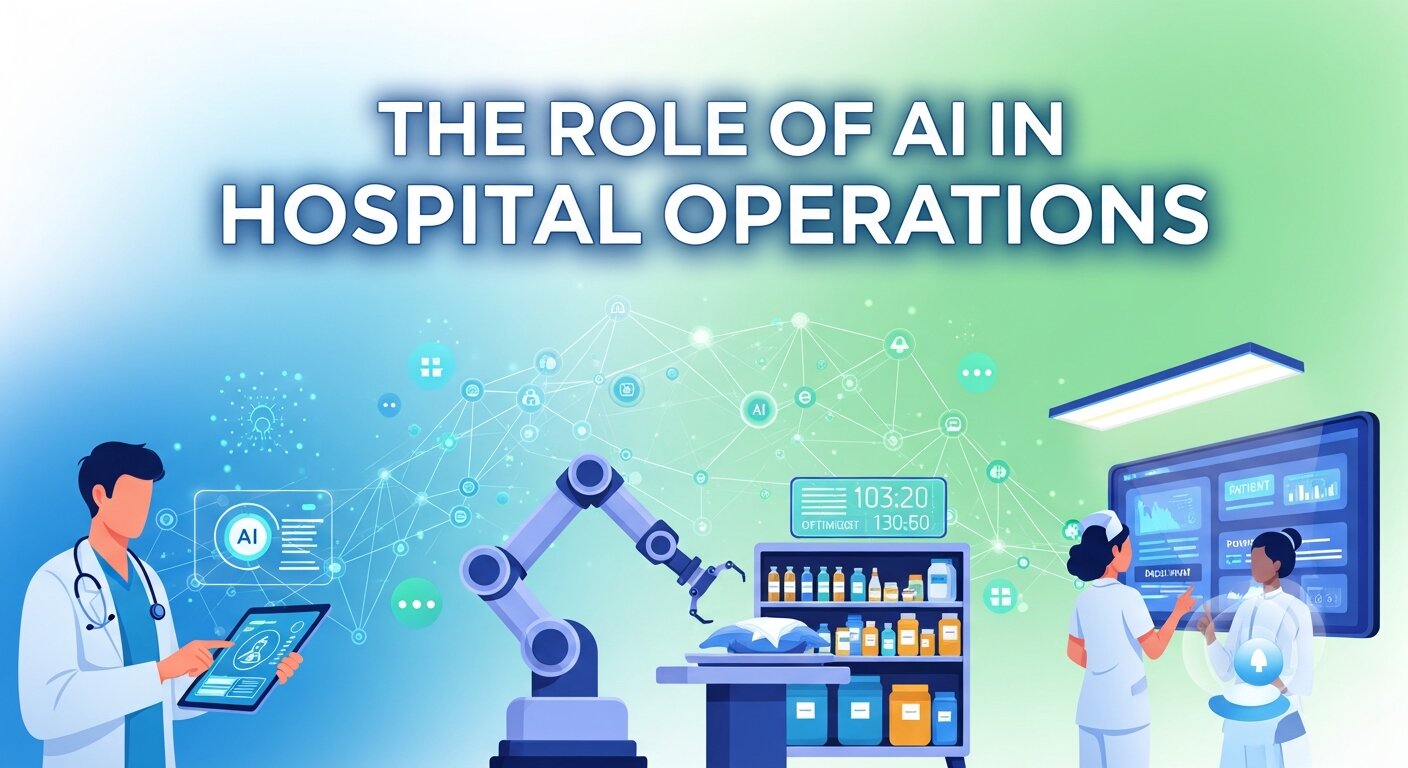
While clinical applications often grab headlines, the impact of medicine artificial intelligence in healthcare on hospital operations is equally transformative. Hospitals are complex organizations where efficiency can literally be a matter of life and death, improved greatly by Data Entry and Office Automation.
Administrative Efficiency
Administrative burdens are a leading cause of burnout among healthcare professionals. Medicine artificial intelligence in healthcare helps automate tedious tasks like scheduling, billing, and documentation with Automated Data Entry AI, Web Data Entry Automation, and Cloud-Based Data Management in E-commerce innovations.
AI chatbots are increasingly handling patient inquiries, appointment bookings, and medication reminders. This not only reduces the load on staff but also harnesses Best Practices for Web Form Data Entry and CRM Data Entry for a smoother workflow.
Enhanced Supply Chain Management
Hospitals must manage an intricate inventory of drugs and tools. Medicine artificial intelligence in healthcare optimizes supply chains through Automate Data Entry in Web, predictive Demand Forecasting API, and Workflow with Data Entry Automation Software.
These systems analyze historical admission rates and trends to ensure that resources are available when needed and waste is minimized.
Resource Allocation
During a crisis such as a pandemic, AI models utilizing Mastering Automation in Excel Data Entry and Cross-Platform Data Entry predict surges in patient numbers and optimize staffing and bed allocation, demonstrating the power of Automate Excel Data Entry.
Challenges of Artificial Intelligence in Healthcare
While the future is promising, integrating medicine artificial intelligence in healthcare comes with challenges.
Data Privacy Concerns
Medicine artificial intelligence in healthcare depends on vast amounts of sensitive data. Ensuring this data is secure is crucial, highlighted by advances in Easy Cybersecurity or Artificial Intelligence and E-commerce Data Security Practices.
Bias in Algorithms
AI systems are only as good as their training data. If datasets are biased, outcomes for marginalized communities may suffer. It’s vital to use inclusive Data Management in Data Entry and Textual Data Entry practices to prevent skewed AI results.
Human-AI Collaboration Gaps
There’s concern AI may replace rather than augment clinicians. The key is to foster Human-AI Collaboration and train staff on How to Create Own Artificial Intelligence? for more effective use of AI in clinical settings.
For additional insights, visit Wikipedia – Artificial Intelligence in Healthcare.
What the Future of AI in Healthcare Looks Like
The journey of medicine artificial intelligence in healthcare is just beginning. As technology matures, changes will be even more revolutionary.
AI-Powered Virtual Assistants
Sophisticated AI-powered health assistants will soon manage Automate Data Entry in Google Forms, monitor patients at home through Automated Data Entry Form Today, and provide personalized coaching using Automated Data Entry AI.
Robotic Surgery
Robotic surgery guided by Building AI and Best Tools to Build Artificial Intelligence will reach heights of precision and efficiency unimaginable before, while also reducing human error.
Global Health Benefits
Medicine artificial intelligence in healthcare will break barriers for underserved populations worldwide, providing access via Cloud-Based Data Management, API for Real-Time Data Sync, and portable diagnostic tools powered by AI.
Rising trends are captured by Google Analytics, SEMrush, and Ahrefs.
Steps Healthcare Stakeholders Can Take
Healthcare Providers
- Invest in AI education and training programs for clinicians.
- Upgrade tech infrastructure with Data Entry and Office Automation solutions.
- Collaborate with AI developers using Mastering Real Time Data Syncing tools.
Policymakers
- Establish data security frameworks backed by Easy Cybersecurity or Artificial Intelligence.
- Create policies for Programmable Automation and Data Entry Automation in healthcare.
Patients
- Stay informed about healthcare AI.
- Ask about Data Privacy, Automated Data Entry AI, and AI-assisted care.
- Seek out health providers adopting AI responsibly.
The Future of Data Entry Jobs in Healthcare: Adaptation and Opportunity
As Automated Data Entry AI and Robotic Process Automation for Data Entry evolve, the role of data entry professionals is transforming—not disappearing.
Key Trends
- Upskilling Required: Data entry clerks learn to operate and troubleshoot AI Data Entry Automation platforms, ensuring quality control.
- Hybrid Roles: New positions emerge combining human oversight with Text Expansion Software and Data Entry Automation expertise.
- Business Process Automation: Hospitals using Business Process Automation for Small Businesses and Workflow with Data Entry Automation Software achieve greater operational excellence.
Integrating AI with CRM and Patient Relationship Management
Healthcare providers are leveraging CRM Data Entry and Automate CRM Data Entry solutions to personalize care and keep track of patient histories efficiently. By connecting medicine artificial intelligence in healthcare with CRM Data Management tools, clinics create seamless, patient-focused workflows.
Popular Solutions
- Best Practices for Web Form Data Entry: Streamlined capturing of patient data at every interaction.
- Improve CRM Data Entry: Automated syncing across scheduling, billing, and communication platforms.
- Automate Manual Data Entry: Integration with practice management software ensures fast updates and minimizes redundant work.
Data Security and Automation: Keeping Patient Trust and Compliance

As digital transformation continues, data security remains central to every healthcare innovation. Easy Cybersecurity or Artificial Intelligence, E-commerce Data Security Practices, and secure Cloud-Based Data Management in E-commerce tools enable organizations to comply with regulations and maintain public confidence.
Security Strategies
- Encryption: All patient data handled by medicine artificial intelligence in healthcare systems is encrypted end to end.
- Access Control: Strict permissions on Automated Data Entry AI and hospital databases.
- Continuous Monitoring: AI-enabled threat detection flags suspicious activity before breaches occur.
Conclusion
Medicine artificial intelligence in healthcare is already saving lives and transforming care. Powered by advances in Automated Data Entry AI, Robotic Process Automation for Data Entry, How to Automate Data Entry, and Data Entry and Office Automation, AI delivers faster diagnostics, personalized treatments, and greater efficiency. By addressing challenges in privacy and bias, the future of healthcare promises better outcomes worldwide.
FAQs
1. What is medicine artificial intelligence in healthcare?
Medicine artificial intelligence in healthcare uses complex software and algorithms, often supported by Automated Data Entry AI, to improve medical analysis and patient care with smarter, data-driven decisions.
2. Will AI replace doctors?
No. AI, including Automated Data Entry AI and CRM Data Entry tools, supports clinicians with analysis and data management so they can focus on human-centered care.
3. How does AI help in cancer treatment?
AI tools and Building AI platforms analyze genetics and imaging, enabling precision diagnoses and Personalized Treatment Plans for cancer patients.
4. Is my health data safe with AI?
Hospitals adopt Easy Cybersecurity or Artificial Intelligence and robust data management to secure health data in compliance with regulations.
5. Can AI predict heart attacks?
Yes. By analyzing medical records through Medicine artificial intelligence in healthcare and Automated Data Entry AI, AI predicts cardiovascular risks and enables preemptive action.
6. What are the main challenges of implementing AI in hospitals?
Cost, data integration (using Cross-Platform Data Entry) and privacy, as well as training for effective collaboration with AI, top the list.
7. How does AI improve hospital efficiency?
With Robotic Process Automation for Data Entry and Workflow with Data Entry Automation Software, AI streamlines appointments, supply management, and documentation.
8. Is AI used in mental health?
Absolutely. AI chatbots and Automated Data Entry AI support mental health monitoring and online therapy.
9. What is robotic surgery?
Robotic surgery combines Building AI with surgical robots, guided by doctors and AI-enabled visual and data cues, for minimally invasive operations.
10. How can I access AI-driven healthcare?
Seek providers who use Automated Data Entry AI, wearable devices, and digital health apps for smarter, more responsive care.
(For more on tech trends, check Backlinko and leading AI resources for in-depth insights.)