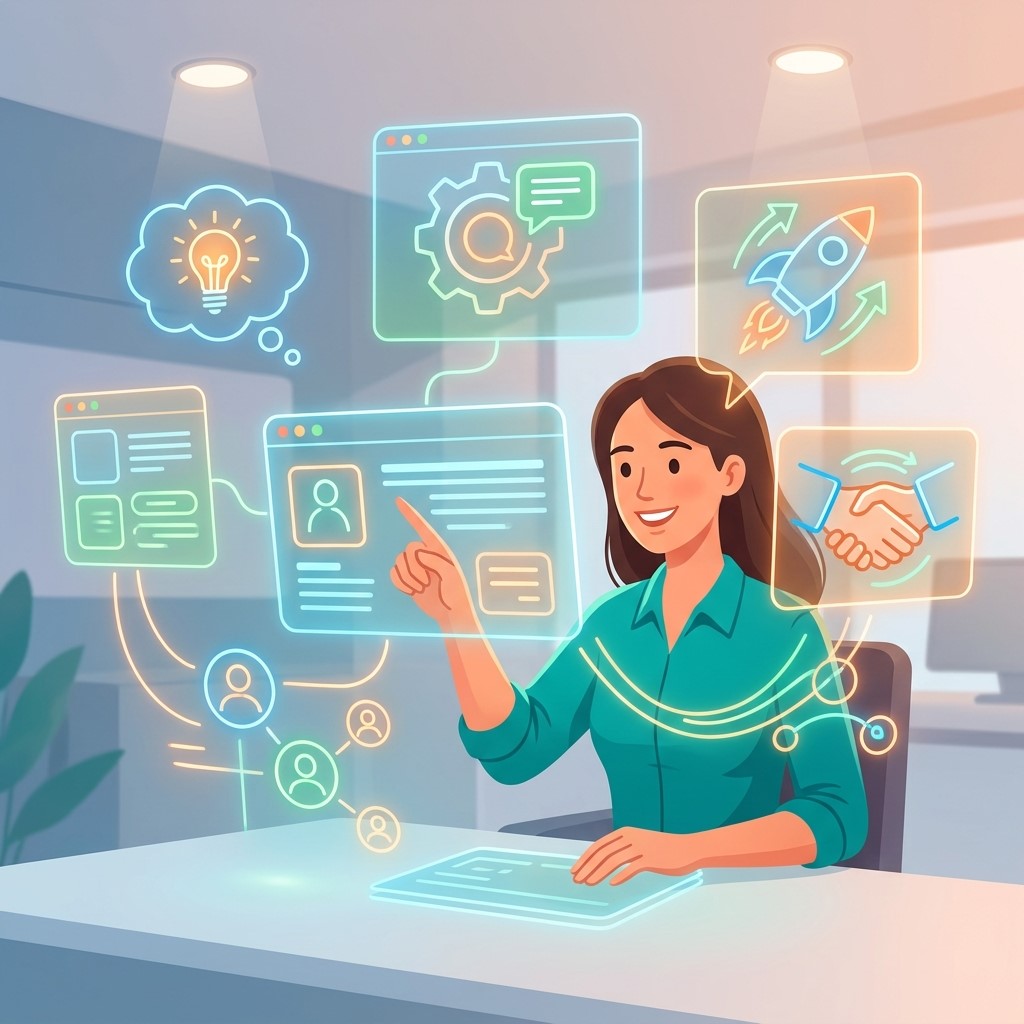
Keeping existing customers is often more valuable than constantly searching for new ones. Businesses that maintain meaningful relationships with customers can encourage repeat purchases, improve loyalty, and build stronger long-term revenue opportunities.
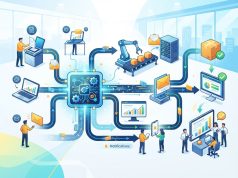
Automated customer engagement makes this process easier by using technology to deliver relevant communication at the right time. Instead of manually contacting every customer, businesses can automate messages based on customer behavior, preferences, and interactions.
From welcome emails and personalized recommendations to abandoned-cart reminders and post-purchase messages, automation can help businesses stay connected throughout the customer journey.
What Is Automated Customer Engagement?
Automated customer engagement is the use of software and technology to communicate with customers automatically based on predefined rules, customer data, or real-time behavior.
For example, when someone creates an account, a business can automatically send a welcome message. If that customer purchases a product, another automated message can provide order information or suggest related products.
The purpose is not simply to send more messages. Effective automation focuses on delivering useful communication that matches the customer’s needs and stage in the buying journey.
Why Customer Retention Matters
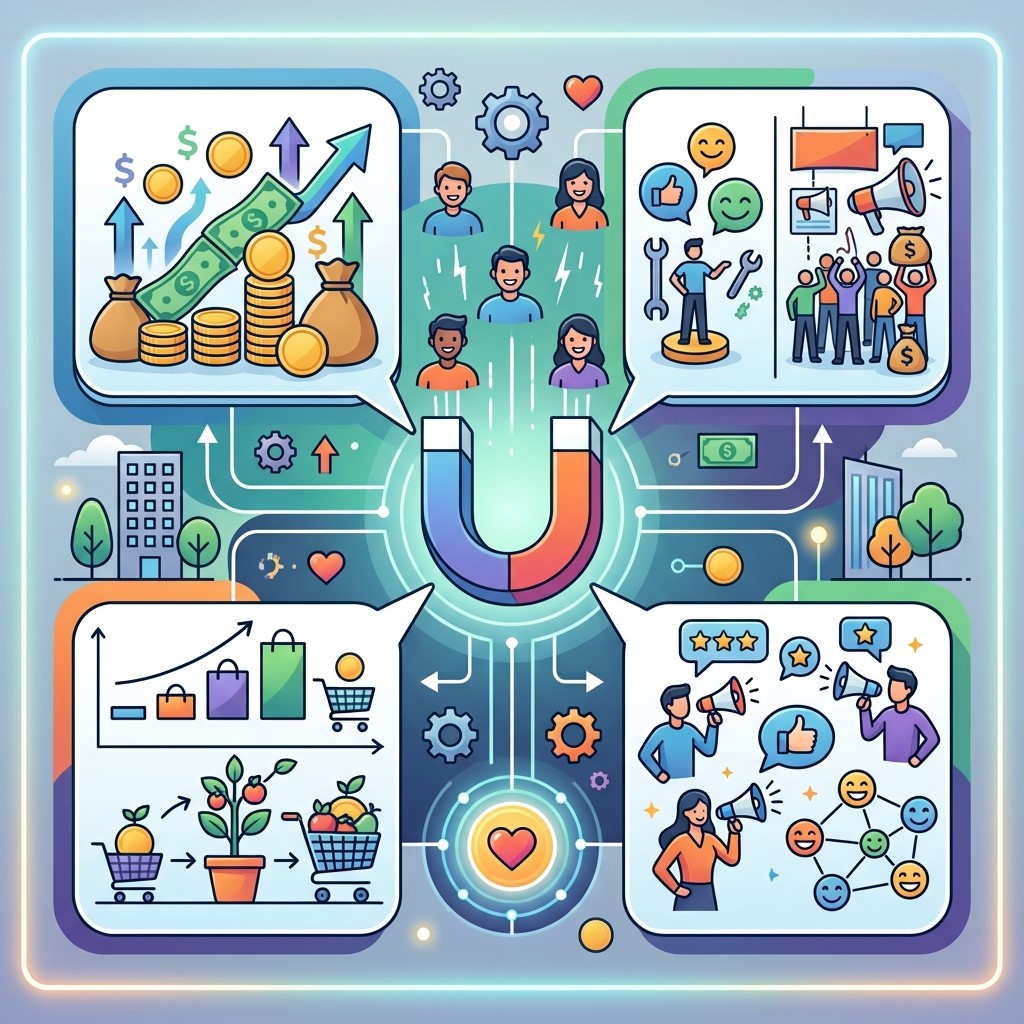
Customer retention focuses on keeping existing customers engaged so they continue purchasing or interacting with a business over time.
A customer who already understands your products and trusts your brand may require less convincing than a completely new prospect. Strong retention strategies can therefore help businesses create more predictable revenue while reducing dependence on constant customer acquisition.
Automated customer engagement supports retention by maintaining communication between purchases and giving customers more reasons to remain connected with a brand.
How Automated Customer Engagement Improves Retention
Creates Consistent Communication
Customers can lose interest when businesses communicate inconsistently. Automation helps maintain regular communication without requiring employees to manually send every message.
Businesses can schedule newsletters, educational content, product updates, reminders, and promotional messages according to customer preferences.
Consistent communication keeps the brand visible while helping customers receive useful information throughout their relationship with the business.
Delivers Personalized Experiences
Customers generally respond better to communication that reflects their interests and previous interactions.
Automation platforms can use customer information such as purchase history, browsing behavior, preferences, and engagement patterns to create more relevant experiences.
For example, an online store can recommend products based on previous purchases instead of sending identical recommendations to every customer.
Responds at the Right Time
Timing can have a major effect on customer engagement. A message sent too early or too late may have little impact.
Automated systems can trigger communication based on specific actions. A customer who abandons a shopping cart can receive a reminder, while someone who completes a purchase can receive follow-up information.
These timely interactions help businesses remain relevant without requiring constant manual monitoring.
Use Marketing Automation to Build Customer Relationships
Automate the Customer Journey
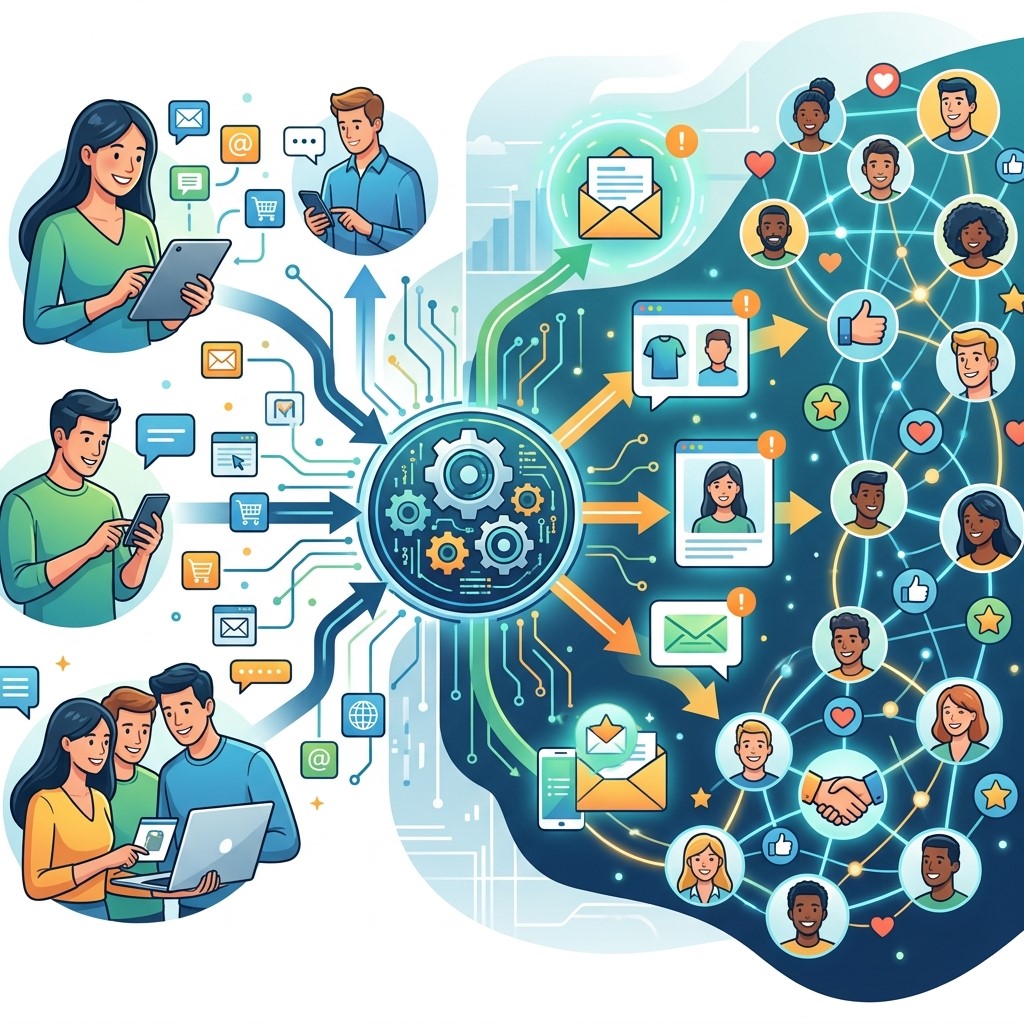
Marketing automation allows businesses to create communication workflows that respond to customer actions.
A new subscriber might receive a welcome email, followed by educational content, product recommendations, and a special offer. Each message can be delivered automatically according to the customer’s activity.
This creates a structured journey that keeps customers engaged while reducing repetitive work for marketing teams.
Segment Customers Automatically
Not every customer has the same needs. Sending identical messages to everyone can reduce engagement and increase the likelihood of unsubscribing.
Automation allows businesses to divide customers into groups based on characteristics such as purchase history, interests, engagement level, location, or customer lifecycle stage.
Each segment can then receive communication designed around its specific needs.
Re-Engage Inactive Customers
Some customers stop interacting with a business after an initial purchase. Instead of allowing these relationships to disappear, automated re-engagement campaigns can encourage customers to return.
A business might send useful content, personalized recommendations, loyalty incentives, or reminders based on previous activity.
The objective should be to provide a genuine reason to reconnect rather than repeatedly sending generic promotional messages.
Use AI Content Generation for Personalized Communication
Create Relevant Content Faster
AI content generation can help businesses produce different types of customer communication more efficiently.
Marketing teams can use AI to create email drafts, product recommendations, social media messages, educational content, and customer follow-up messages.
This can reduce the time required to create communication while allowing businesses to maintain regular engagement across multiple channels.
Adapt Messages to Customer Interests
AI can also help create variations of content for different customer groups.
For example, new customers might receive educational information about a product, while returning customers could receive advanced tips or complementary product recommendations.
When AI-generated content is combined with customer data and human review, businesses can create communication that feels more relevant and useful.
Use AI Marketing Tools to Improve Engagement
Analyze Customer Behavior
Many AI marketing tools can analyze customer interactions and identify patterns that may be difficult to detect manually.
Businesses can use these insights to understand which customers are highly engaged, which are becoming inactive, and which communication channels produce stronger responses. These insights can help marketing teams make better decisions about retention campaigns.
Improve Recommendations
Product and content recommendations can become more useful when they are based on customer behavior.
AI-powered systems can analyze previous purchases, browsing activity, and engagement patterns to suggest products or content that may interest individual customers.
Relevant recommendations can encourage additional purchases while making the customer experience more personalized.
Automate Post-Purchase Engagement
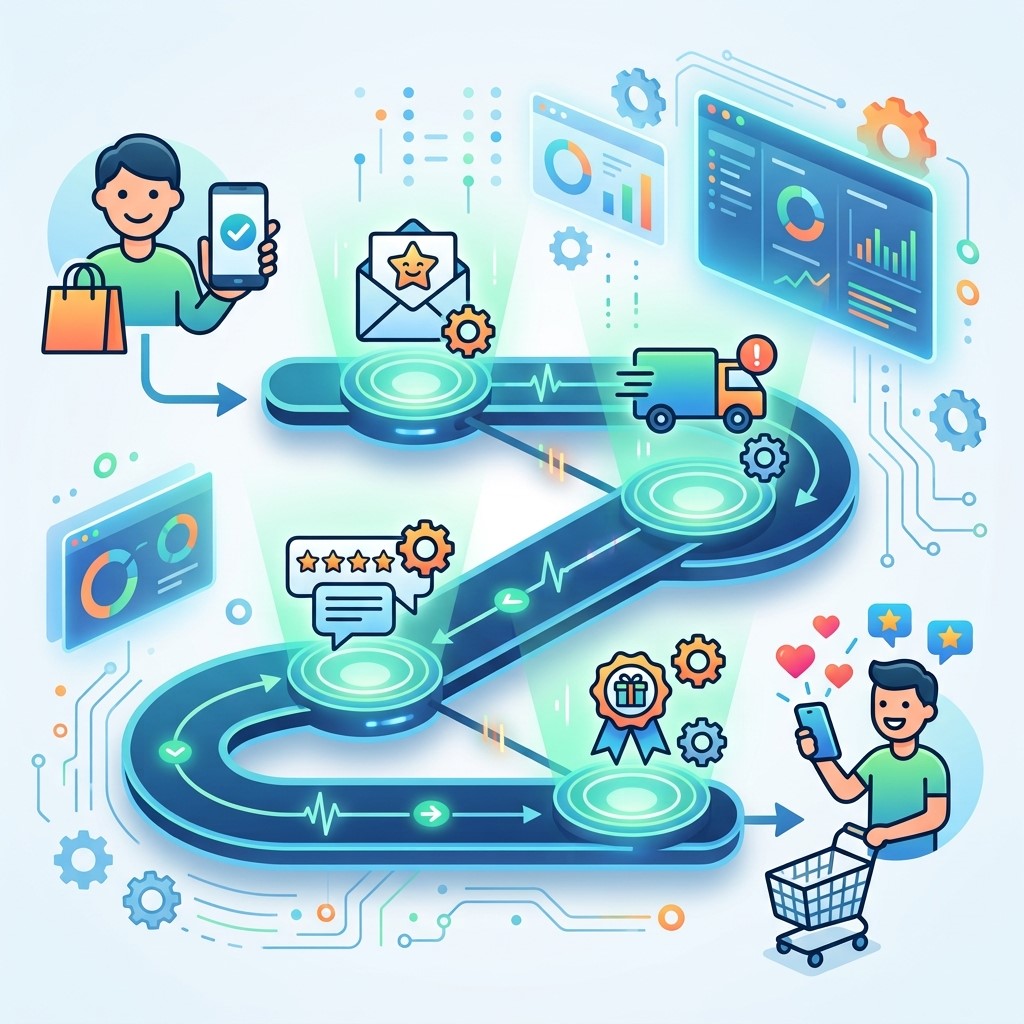
Send Helpful Follow-Up Messages
The customer relationship should not end after a transaction. Post-purchase communication can help customers understand how to use a product and encourage continued interaction.
Businesses can automatically send order updates, product instructions, care information, or helpful resources after a purchase.
These messages demonstrate that the company values the customer’s experience beyond the initial sale.
Request Feedback
Automated feedback requests can help businesses understand customer satisfaction.
A message can be triggered after a customer has had enough time to use a product or service. Customers can then be invited to provide a review, rating, or feedback.
The information collected can help businesses identify problems and improve future customer experiences.
Build Loyalty With Automated Engagement
Reward Returning Customers
Loyalty programs can become more effective when customer engagement is automated.
Businesses can automatically notify customers about reward points, membership benefits, special offers, or milestones.
These reminders can encourage customers to continue interacting with the brand while making loyalty programs easier to manage.
Recognize Customer Milestones
Automation can also recognize important customer milestones. Examples include a customer’s first purchase, membership anniversary, spending milestone, or long-term relationship with the brand.
A personalized message or special reward can make customers feel recognized and encourage continued loyalty.
Improve Customer Support With Automation
Provide Immediate Responses
Customers often expect quick answers to simple questions. Automated chat systems and knowledge bases can provide immediate responses to common requests.
Customers can receive information about product features, order status, return policies, or basic troubleshooting without waiting for a support representative. Faster responses can improve satisfaction and reduce frustration.
Combine Automation With Human Support
Automation should not completely replace human interaction. Complex complaints, unusual situations, and emotionally sensitive issues often require a real person.
The best approach is to automate repetitive requests while allowing customers to reach human representatives when necessary.
This balance can improve efficiency without making the customer experience feel impersonal.
Avoid Over-Automation
Automation can become harmful when customers receive too many messages or communication that feels irrelevant.
Businesses should carefully control message frequency and avoid sending the same promotion repeatedly.
Customer preferences should influence communication channels and frequency whenever possible. Giving customers control over their communication preferences can also improve trust. Automation should make communication more helpful, not simply more frequent.
Measure Customer Engagement and Retention
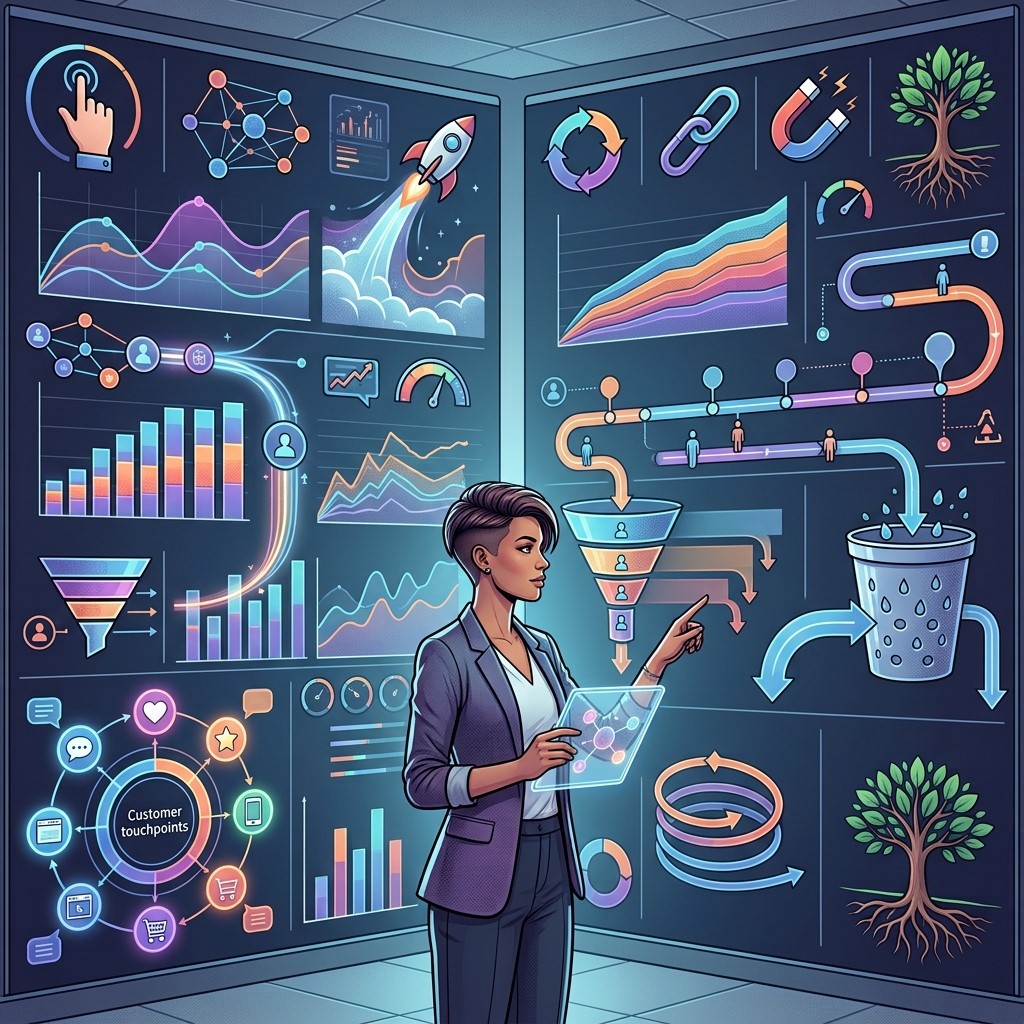
Track Important Metrics
Businesses need measurable indicators to determine whether automated engagement is working.
Important metrics can include repeat purchase rate, customer retention rate, email engagement, click-through rate, customer lifetime value, unsubscribe rate, and reactivation rate.
Monitoring these metrics helps businesses understand which automated campaigns contribute to stronger customer relationships.
Test Different Campaigns
Testing can reveal which messages, offers, timing, and communication channels perform best. Businesses can experiment with subject lines, content formats, sending times, offers, and customer segments. The results can then be used to improve future campaigns and create a more effective retention strategy.
Best Practices for Automated Customer Engagement
Keep Communication Relevant
Every automated message should have a clear purpose. Customers should receive information that provides value based on their needs or behavior. Relevant communication is more likely to maintain engagement than generic messages sent to everyone.
Maintain a Human Brand Voice
Even automated communication should sound natural and consistent with the brand. Avoid overly robotic language and ensure AI-generated content is reviewed before publication. A recognizable brand voice can make automated interactions feel more authentic.
Protect Customer Trust
Businesses should use customer information responsibly and communicate transparently about how data is used.
Respecting privacy, providing appropriate preferences, and avoiding excessive messaging can help maintain customer confidence.
Use Predictive Engagement to Anticipate Customer Needs
Predictive engagement uses customer behavior and historical data to identify what customers may need next. Businesses can analyze purchase history, browsing activity, previous interactions, and engagement patterns to create more relevant automated communication.
For example, a customer who regularly purchases a specific product may receive a reminder when they are likely to need it again. Similarly, customers showing declining engagement can receive helpful content or personalized offers before they become inactive.
Combining predictive insights with AI marketing tools allows businesses to move beyond basic automation. Instead of waiting for customers to take action, companies can proactively deliver useful information based on likely needs. This approach can make customer communication feel more timely and valuable. When customers consistently receive relevant recommendations and support, they have stronger reasons to continue interacting with the brand.
Create Automated Loyalty and Reward Campaigns
Loyalty programs can become more effective when businesses automate rewards and customer recognition. Automated systems can track purchases, engagement, referral activity, and loyalty points without requiring employees to manage every interaction manually.
Businesses can send personalized notifications when customers earn rewards, reach a new membership level, or become eligible for exclusive benefits. These messages remind customers about the value they receive from continuing their relationship with the brand.
Marketing automation can also create different campaigns for new, returning, and highly loyal customers. Each group can receive offers and rewards that match its relationship with the business. By making customers feel recognized and appreciated, automated loyalty campaigns can encourage repeat purchases and strengthen long-term relationships.
Frequently Asked Questions
1. What is automated customer engagement?
Automated customer engagement uses technology to communicate with customers based on their behavior, preferences, or predefined triggers. It can automate emails, recommendations, reminders, support messages, and other interactions throughout the customer journey.
2. How does automated customer engagement improve retention?
It improves retention by keeping customers connected with timely and relevant communication. Personalized follow-ups, recommendations, loyalty messages, and re-engagement campaigns can encourage customers to continue interacting with a business.
3. What is marketing automation?
Marketing automation uses software to automate repetitive marketing activities and customer communication. Businesses can create workflows that send targeted messages based on customer actions, interests, lifecycle stages, or other predefined conditions.
4. Can AI content generation help customer engagement?
Yes. AI content generation can help businesses create personalized emails, recommendations, educational content, and promotional messages more efficiently. Human review remains important to ensure accuracy, relevance, and brand consistency.
5. What are AI marketing tools?
AI marketing tools use artificial intelligence to support activities such as customer analysis, personalization, content creation, recommendations, campaign optimization, and audience segmentation.
6. Can small businesses use automated customer engagement?
Yes. Small businesses can begin with simple automation such as welcome emails, abandoned-cart reminders, post-purchase follow-ups, and customer reactivation campaigns. These workflows can save time while maintaining regular customer communication.
7. How often should automated messages be sent?
There is no universal frequency because customer preferences and business types differ. Businesses should prioritize relevance and monitor engagement, unsubscribe rates, and customer feedback to determine an appropriate communication schedule.
8. Does automation make customer communication impersonal?
Automation can feel impersonal when messages are generic or excessive. Using customer data for personalization, maintaining a natural brand voice, and providing human support when needed can make automated communication feel more relevant.
9. What customer retention metrics should businesses track?
Businesses can track repeat purchase rate, retention rate, customer lifetime value, reactivation rate, engagement, click-through rate, unsubscribe rate, and revenue generated from returning customers.
10. What is the best way to start automated customer engagement?
Start with one or two high-value customer journeys, such as welcome or post-purchase communication. Define clear goals, personalize messages, track results, and gradually expand automation based on customer behavior and campaign performance.
Conclusion
Automated customer engagement can play an important role in improving customer retention by helping businesses communicate consistently, personalize experiences, and respond to customer behavior.
Through marketing automation, AI content generation, and AI marketing tools, businesses can create timely customer journeys without requiring every interaction to be managed manually.