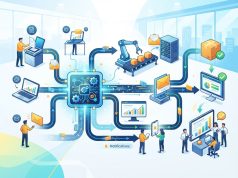
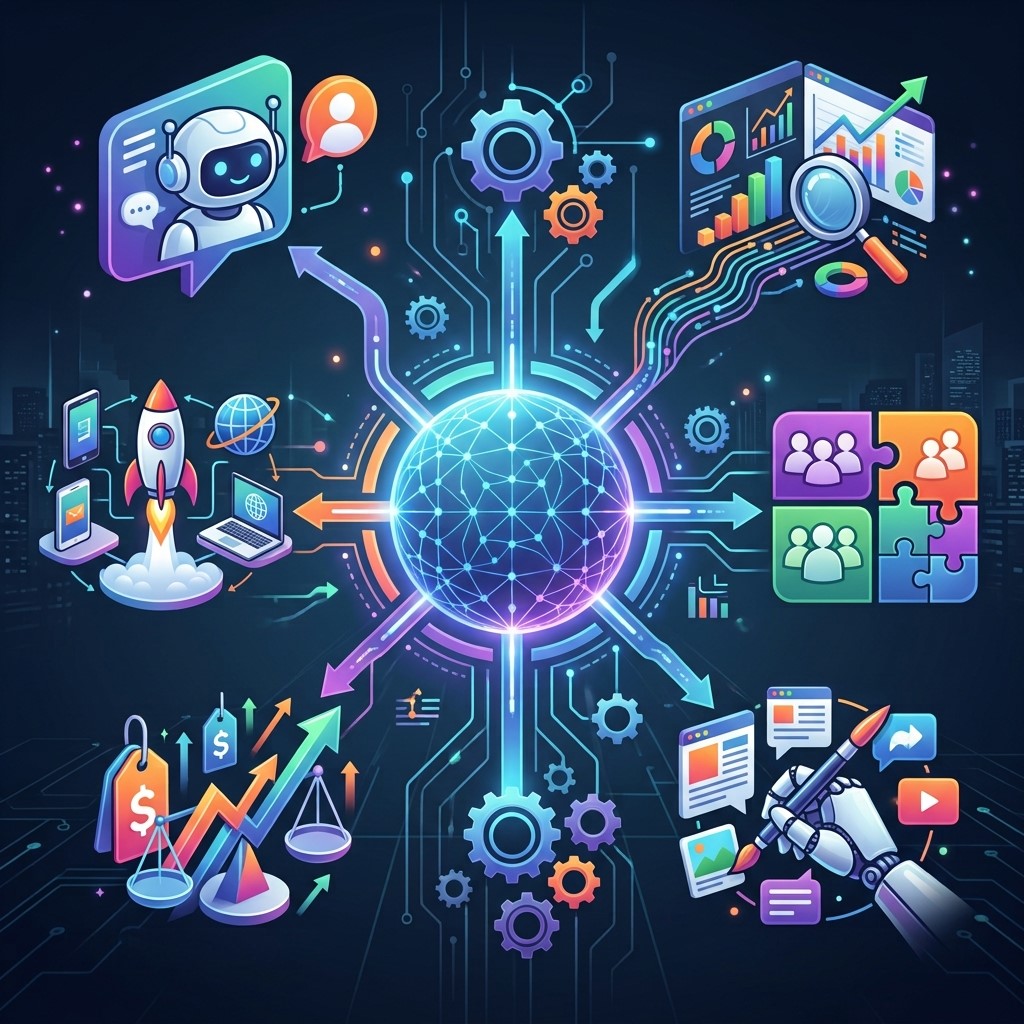
AI-powered marketing strategies are changing digital advertising by helping businesses analyze data, automate repetitive tasks, personalize customer experiences, and improve campaign performance. Artificial intelligence can process large amounts of information quickly, identify audience patterns, predict customer behavior, and recommend more effective marketing actions.
What Are AI-Powered Marketing Strategies?
AI-powered marketing strategies use artificial intelligence, machine learning, automation, and customer data to improve marketing planning and execution. These strategies help businesses analyze information, identify patterns, automate processes, and make more informed advertising decisions.
Traditional digital advertising often requires marketers to manually review performance data, create audience segments, adjust campaigns, and develop content. AI can assist with many of these activities, allowing teams to spend more time on strategy and creative thinking.
AI does not replace the need for human marketers. Instead, it provides tools that can process information faster and support better decision-making. The strongest approach combines AI capabilities with human creativity, judgment, brand knowledge, and strategic planning.
How AI Is Transforming Digital Advertising
Smarter Audience Targeting
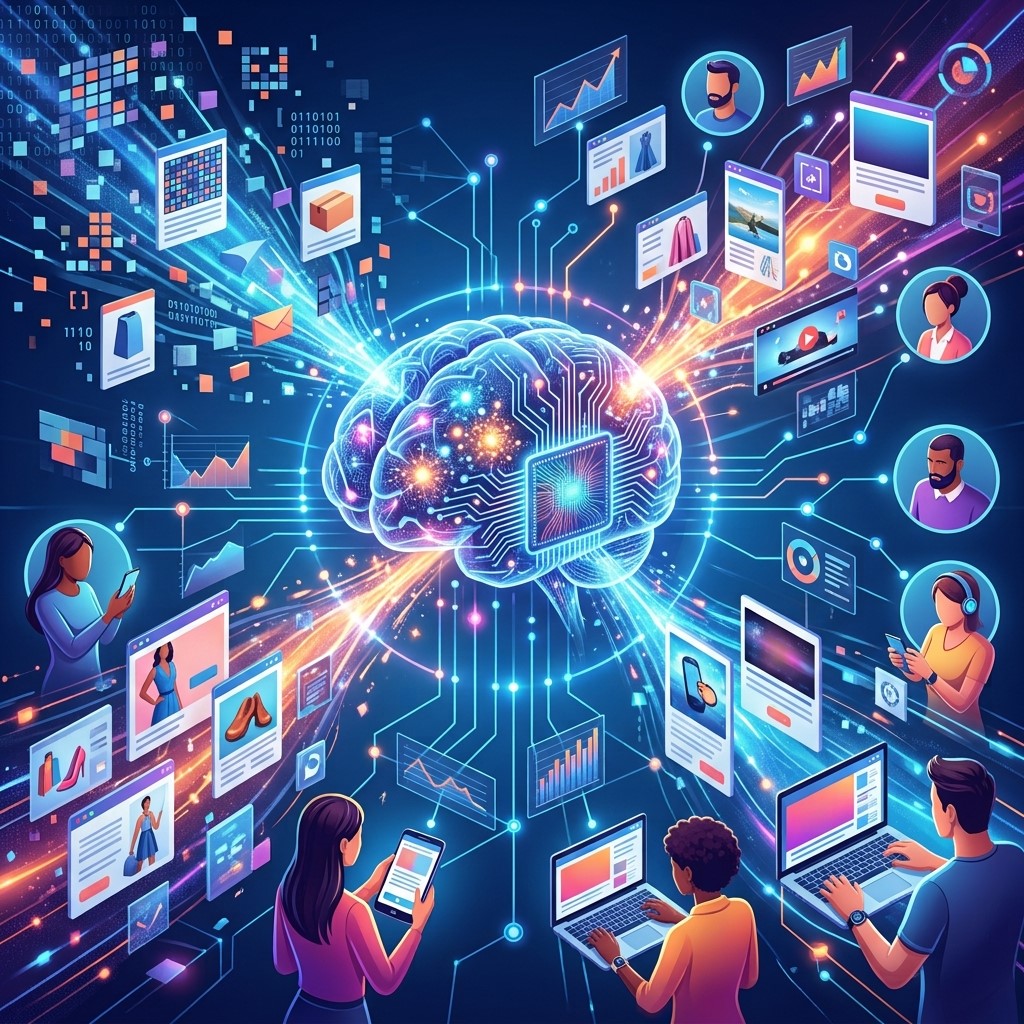
AI analyzes customer behavior, interests, interactions, and demographic patterns to identify audiences more precisely. This helps advertisers deliver relevant campaigns to people who are more likely to engage, convert, or become long-term customers.
Predictive Customer Analysis
AI systems can analyze historical information to identify potential future behaviors. Marketers can use these predictions to understand which customers may purchase, respond to an offer, or become inactive.
Automated Campaign Optimization
AI can monitor campaign performance and identify opportunities for improvement. Depending on the advertising platform, automated systems may help adjust bids, placements, audiences, or delivery based on performance signals.
The Role of Marketing Automation
Marketing automation allows businesses to automate repetitive marketing activities while maintaining consistent communication with customers. AI can make automation more intelligent by determining when, where, and how certain actions should occur.
Automating Customer Journeys
AI can help businesses create automated customer journeys based on user actions. For example, customers who interact with a particular product may receive relevant follow-up messages, educational content, or promotional offers.
Improving Lead Nurturing
AI-powered automation can help identify leads based on engagement levels and behavior. Marketing teams can then prioritize highly engaged prospects while continuing automated nurturing for customers who need more information.
Managing Repetitive Tasks
Marketing automation can reduce manual work associated with scheduling campaigns, organizing customer data, sending messages, updating segments, and reporting performance. This gives marketers more time to focus on strategy.
AI Content Generation in Digital Advertising
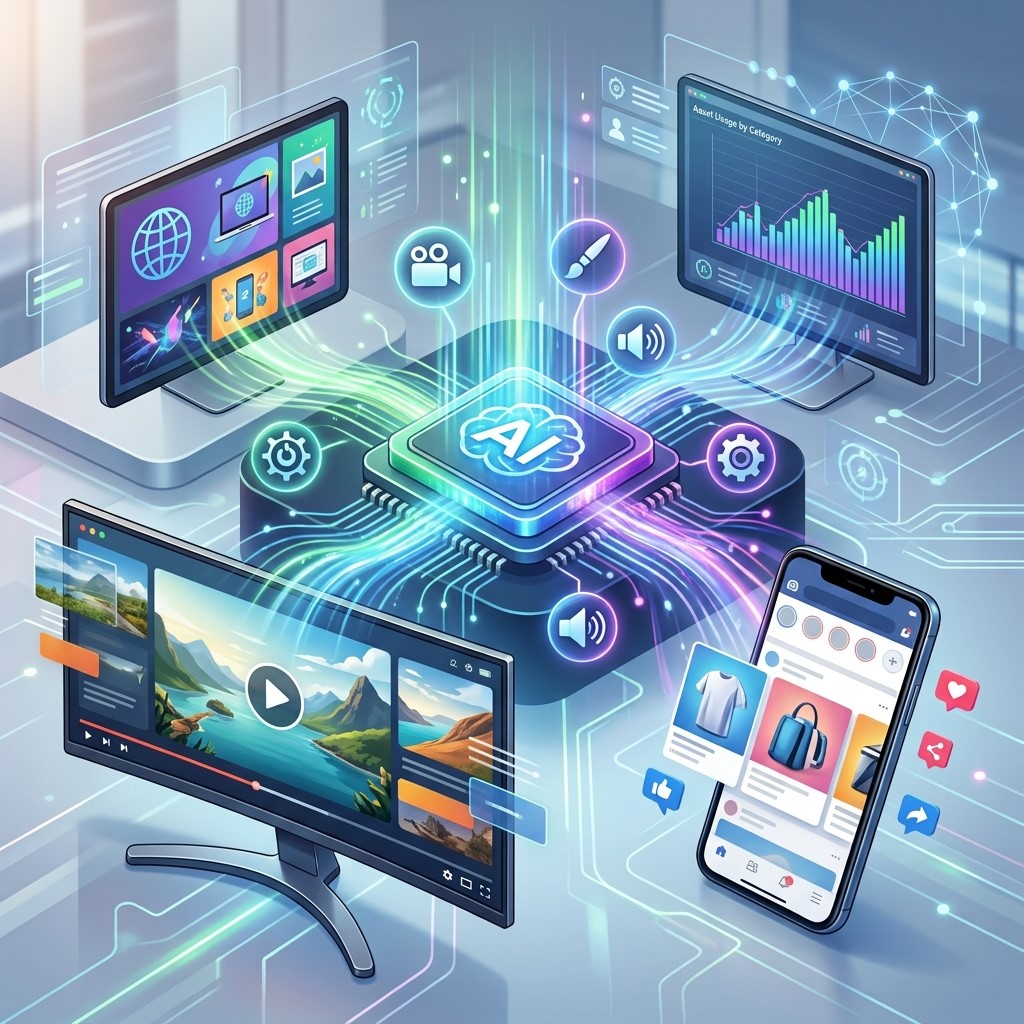
AI content generation can help marketers create advertising copy, headlines, product descriptions, social media content, email variations, and other marketing materials more efficiently.
Creating Multiple Ad Variations
AI can generate different versions of headlines, descriptions, calls to action, and promotional messages. Marketers can test these variations to discover which messages resonate most strongly with different audiences.
Supporting Creative Development
AI content generation can assist creative teams by providing ideas, outlines, messaging variations, and visual concepts. Human marketers can then refine these outputs to match brand guidelines and campaign objectives.
Maintaining Content Efficiency
Advertising campaigns often require large volumes of content. AI can help marketers produce initial drafts quickly, allowing teams to scale campaigns without spending the same amount of time creating every variation manually.
How AI Improves Ad Personalization
Personalization means delivering advertising messages that are more relevant to individual customers or audience segments. AI helps make personalization possible at a larger scale.
Personalized Recommendations
AI can analyze browsing behavior, previous purchases, interests, and interactions to recommend products or services that may be relevant to specific customers.
Dynamic Advertising Messages
AI can support dynamic advertising by helping determine which message, product, image, or offer should be presented to different audience groups based on available data and campaign rules.
Relevant Customer Experiences
Personalized advertising can reduce irrelevant messages and improve the overall customer experience. When people see content that matches their needs or interests, they may be more likely to engage with the brand.
AI and Workflow Automation
Workflow automation connects different marketing activities into structured processes. AI can make these workflows more responsive by using customer behavior and performance information to influence the next action.
Connecting Marketing Tasks
AI-supported workflows can connect lead capture, segmentation, email communication, customer scoring, advertising audiences, and reporting. This reduces the need for marketers to manually move information between different processes.
Triggering Automated Actions
Customer actions can trigger specific marketing activities. For example, downloading a guide may add a prospect to a nurturing sequence, while repeated product engagement may trigger a sales notification.
Improving Team Productivity
Workflow automation reduces repetitive administrative work and allows marketing teams to manage larger campaigns more efficiently. Employees can focus on creative development, strategic planning, and customer-focused activities.
AI-Powered Advertising and Data Analysis
Digital advertising generates large amounts of data. AI can help marketers interpret this information and identify patterns that might be difficult to detect manually.
Identifying Performance Trends
AI can analyze campaign metrics and highlight changes in engagement, conversions, customer behavior, and advertising performance. These insights can help marketers understand what is working and what requires attention.
Improving Budget Allocation
Businesses can use AI-supported analysis to identify campaigns, audiences, or channels that generate stronger results. Marketers can then make more informed decisions about where to allocate advertising budgets.
Detecting Performance Problems
AI can help identify unusual changes in campaign performance. Sudden increases in costs, declining conversion rates, or unexpected audience behavior may indicate that a campaign requires investigation.
AI-Powered Marketing Strategies and Conversion Optimization
AI can contribute to conversion optimization by analyzing how users interact with advertisements, landing pages, websites, and conversion paths.
Finding Customer Drop-Offs
AI-supported analytics can help marketers identify stages where potential customers stop engaging. These findings can reveal opportunities to improve landing pages, forms, offers, messaging, or checkout experiences.
Improving Landing Pages
AI can analyze user behavior and performance data to support landing page improvements. Marketers can use these insights to test headlines, layouts, calls to action, and content.
Increasing Campaign Efficiency
When advertising data and conversion information are analyzed together, marketers can better understand which campaigns contribute to valuable customer actions rather than focusing only on impressions or clicks.
Benefits of AI-Powered Marketing Strategies
Saves Marketing Time
AI can automate repetitive processes and accelerate activities such as content creation, data analysis, segmentation, reporting, and campaign optimization. This allows marketing teams to focus on higher-value strategic responsibilities.
Improves Personalization
AI enables businesses to process customer information and create more relevant experiences across advertising channels. Personalized campaigns can improve engagement by addressing specific interests, behaviors, and customer needs.
Supports Better Decisions
AI provides marketers with data-driven insights that can support campaign planning, audience selection, creative testing, and budget decisions. Better information can reduce reliance on assumptions.
Enables Marketing Scalability
AI-powered systems can manage large amounts of data and automate repetitive activities across multiple campaigns. This allows businesses to expand marketing operations without increasing manual workloads at the same rate.
Challenges of AI in Digital Advertising
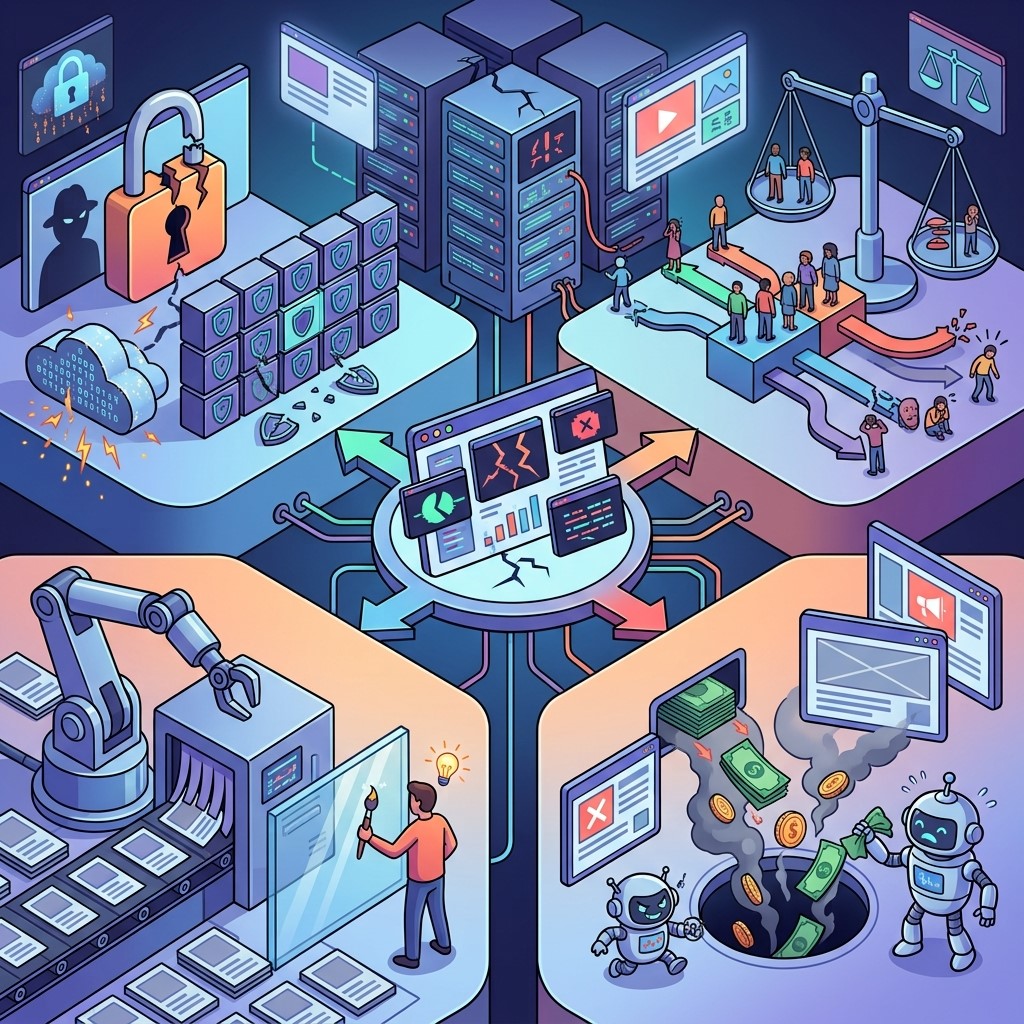
Data Quality
AI systems depend on the quality of the information they receive. Incomplete, outdated, inaccurate, or poorly organized data can lead to unreliable recommendations and ineffective targeting.
Privacy and Trust
Businesses must handle customer information responsibly. Transparent data practices, appropriate permissions, security measures, and compliance with applicable privacy requirements are important when implementing AI-driven marketing.
Maintaining Brand Consistency
AI-generated content may not always reflect a company’s tone, values, or positioning. Human review is important to ensure that generated copy and creative materials remain accurate and consistent with the brand.
Over-Automation
Automation can improve efficiency, but excessive automation may create impersonal customer experiences. Businesses should maintain human oversight and use AI where it genuinely improves customer and marketing outcomes.
Best Practices for Implementing AI-Powered Marketing Strategies
Define Clear Marketing Goals
Businesses should identify what they want AI to accomplish before selecting tools or creating automated workflows. Goals may include improving conversions, reducing manual work, increasing personalization, or improving campaign efficiency.
Start With Valuable Use Cases
Companies do not need to automate everything immediately. Starting with specific activities such as reporting, content assistance, audience segmentation, or lead nurturing can make adoption easier.
Combine AI With Human Expertise
AI should support marketers rather than operate without oversight. Human professionals can provide brand knowledge, creativity, strategic judgment, and ethical considerations that technology cannot fully replace.
Test and Measure Results
Every AI-powered strategy should be evaluated using meaningful performance indicators. Businesses can compare conversion rates, engagement, acquisition costs, revenue, productivity, and customer responses before and after implementation.
The Future of AI-Powered Digital Advertising
AI is expected to become increasingly integrated into digital advertising as businesses look for faster and more personalized ways to reach customers. Predictive analytics, automated creative development, conversational AI, intelligent bidding, personalization, and workflow automation will continue to influence marketing operations.
Future advertising systems may become more capable of understanding customer intent and adapting campaigns in real time. Instead of simply reacting to previous campaign performance, AI systems may increasingly help marketers anticipate customer needs and adjust experiences accordingly.
However, successful AI adoption will depend on more than technology. Businesses will need reliable data, clear strategies, strong privacy practices, human oversight, and continuous experimentation.
How AI Improves Customer Engagement
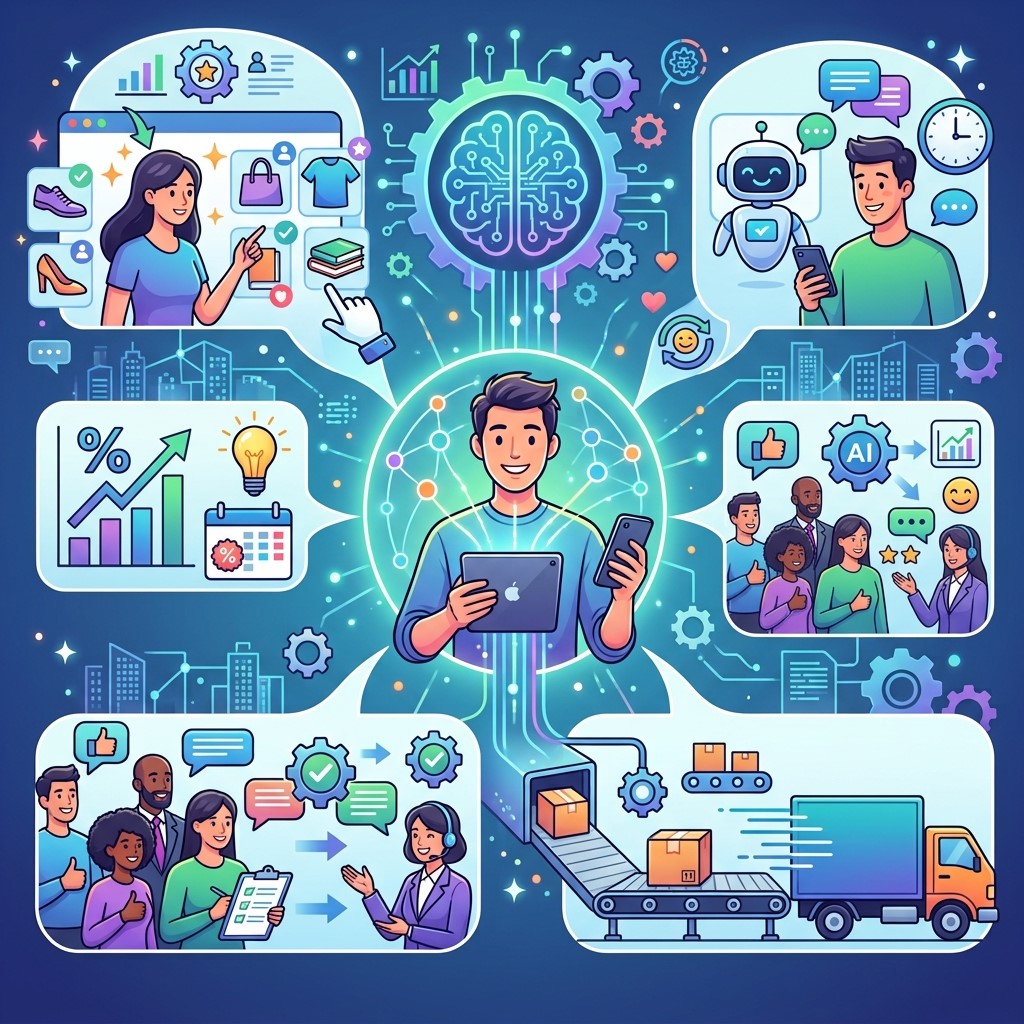
AI helps businesses create more relevant and timely interactions by analyzing customer behavior, preferences, and engagement patterns. Intelligent recommendations, personalized advertisements, automated messages, and AI-powered chat systems can deliver useful information based on customer needs.
By responding faster and providing more relevant experiences, businesses can increase engagement across websites, email, social media, and advertising platforms. When combined with marketing automation and workflow automation, AI can also maintain consistent communication throughout the customer journey. This approach helps brands build stronger relationships while reducing repetitive marketing tasks and improving overall campaign efficiency.
Frequently Asked Questions
What are AI-powered marketing strategies?
AI-powered marketing strategies use artificial intelligence, machine learning, automation, and data analysis to improve marketing activities such as targeting, personalization, content creation, customer segmentation, advertising optimization, and campaign management.
How does AI improve digital advertising?
AI can analyze large amounts of customer and campaign data to identify patterns, improve audience targeting, personalize messages, automate processes, and support campaign optimization based on performance information.
What is the role of marketing automation in AI marketing?
Marketing automation handles repetitive marketing activities, while AI can make those processes more intelligent by analyzing customer behavior and determining appropriate actions, timing, segmentation, and communication.
How does AI content generation help marketers?
AI content generation can help marketers create initial versions of headlines, advertising copy, product descriptions, social media posts, email messages, and creative ideas, reducing production time and supporting campaign scalability.
What is workflow automation in marketing?
Workflow automation connects marketing activities into structured processes that can execute automatically when specific conditions or customer actions occur. It can improve efficiency and reduce repetitive manual tasks.
Can AI personalize digital advertisements?
Yes. AI can analyze available customer information and behavioral signals to help deliver more relevant advertisements, recommendations, messages, products, or offers to different audience segments.
Can small businesses use AI-powered marketing strategies?
Yes. Small businesses can begin with practical applications such as AI-assisted content creation, automated email campaigns, customer segmentation, reporting, chat support, and advertising optimization.
Does AI replace marketing professionals?
AI does not eliminate the need for marketing professionals. Human marketers remain important for strategy, creativity, brand management, customer understanding, ethical decisions, and reviewing AI-generated outputs.
What are the risks of using AI in digital advertising?
Potential risks include poor data quality, privacy concerns, inaccurate AI-generated content, excessive automation, biased recommendations, and inconsistent brand messaging. Human oversight and responsible data practices can reduce these risks.
How can businesses measure AI marketing performance?
Businesses can measure AI marketing using metrics such as conversion rates, engagement, return on advertising spend, customer acquisition cost, lead quality, revenue, campaign efficiency, and productivity improvements.
Conclusion
AI-powered marketing strategies are transforming digital advertising by improving targeting, personalization, automation, content creation, data analysis, and campaign optimization. Artificial intelligence allows businesses to process information faster and identify opportunities that may be difficult to discover through manual analysis alone.
Marketing automation can reduce repetitive work, while AI content generation can help teams produce campaign variations more efficiently. Workflow automation can connect marketing processes and improve productivity, creating a more coordinated customer journey.