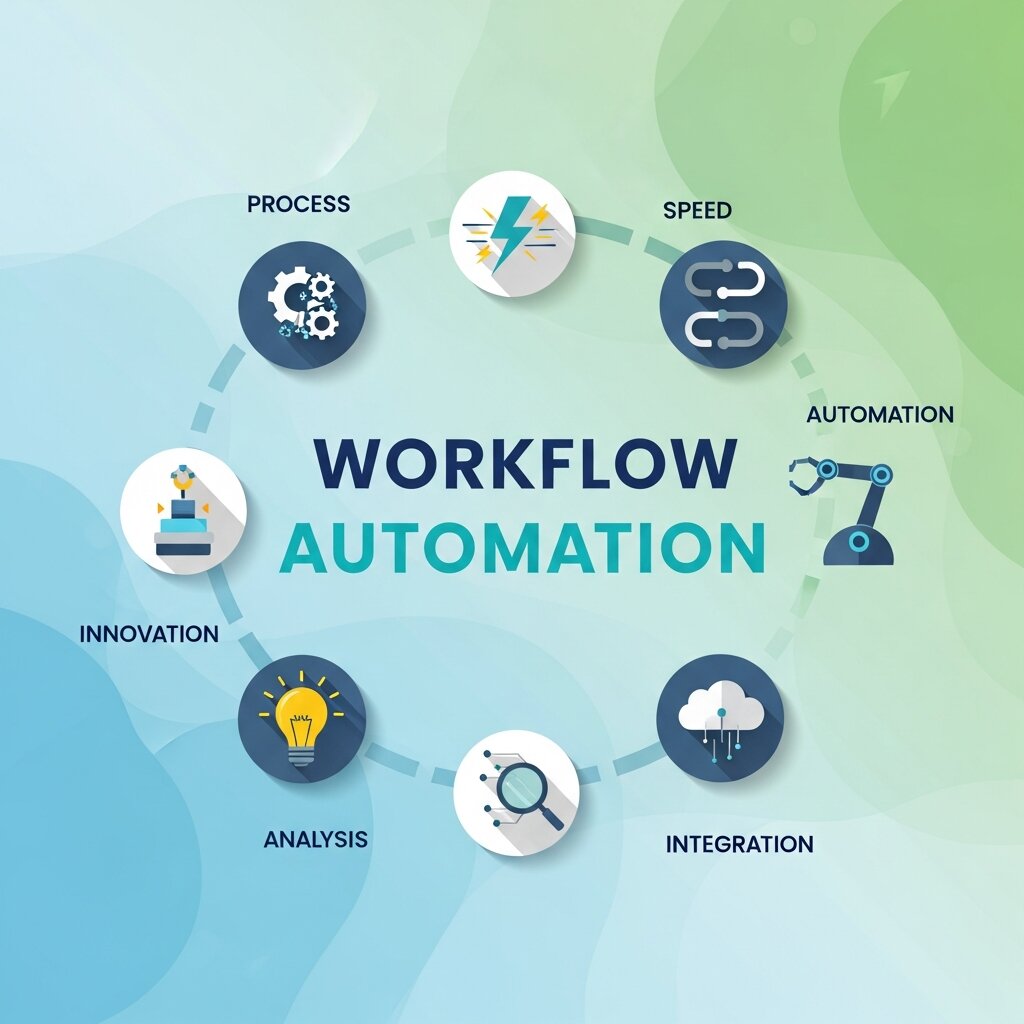
Every business runs on workflows. Some are simple—approve a document, send a confirmation email, update a spreadsheet. Others are sprawling, multi-team processes that touch dozens of systems before a single outcome is reached. For decades, making those workflows faster meant hiring more people or asking existing ones to work harder.
AI-powered workflow automation is changing that equation entirely. Rather than just accelerating manual tasks, AI is beginning to handle them independently—learning from patterns, making decisions in context, and adapting in real time. The result is a fundamental shift in how businesses operate, compete, and grow.
This post breaks down what AI-driven workflow automation actually looks like in practice, where it’s creating the most value, and what organizations need to consider before diving in.
What Is AI-Powered Workflow Automation?
Traditional workflow automation follows rules. If a customer submits a form, send a receipt. If an invoice is received, route it to the finance team. These systems are reliable, but rigid—they only do exactly what they’re told, and any exception requires human intervention.
AI-powered workflow automation goes further. Instead of following fixed rules, AI models analyze data, recognize patterns, and make contextual decisions. A smart automation system can read an incoming support ticket, classify its urgency, assign it to the right team, draft a suggested response, and flag it for human review—all without a single manual step.
The distinction matters because most real-world workflows aren’t clean. They involve ambiguity, exceptions, and judgment calls. AI handles that complexity in a way traditional automation simply cannot.
Where AI Workflow Automation Is Making the Biggest Impact
Marketing and AI Content Generation
Marketing teams are among the earliest and most enthusiastic adopters of AI-powered automation. The volume of content modern marketing requires—social posts, emails, blog articles, ad copy, product descriptions—is enormous, and AI content generation tools have made it possible to produce that content at scale without sacrificing quality or brand consistency.
Platforms like Jasper, Copy.ai, and HubSpot’s AI tools allow teams to automate large portions of the content creation pipeline, from drafting to editing to scheduling. When combined with a well-defined AI brand strategy, these tools ensure that every piece of output reflects the same tone, messaging, and values—whether it’s a LinkedIn post or a 2,000-word thought leadership article.
Workflow automation also connects content production to distribution. Once a piece is approved, automated systems can publish it across channels, update internal trackers, and trigger follow-up actions like email campaigns or social ads. What used to take a team of five several days can now be managed by two people in a fraction of the time.
Human Resources and Recruitment
Hiring is one of the most process-heavy functions in any organization. Screening resumes, scheduling interviews, sending offer letters, onboarding new hires—each step is time-consuming, repetitive, and prone to delays.
AI workflow automation is streamlining the entire hiring funnel. Tools like Workday and Greenhouse now incorporate AI to automatically screen applicants based on job requirements, rank candidates, and send personalized communication at each stage. Onboarding workflows can trigger automatically on a hire’s start date, assigning tasks, granting system access, and enrolling new employees in training—all without HR manually initiating each step.
The downstream effect is significant. HR professionals spend less time on administration and more time on the parts of their role that actually require human judgment: culture fit assessments, career development conversations, and organizational planning.
Finance and Accounts Payable
Invoice processing is a textbook candidate for automation. It’s high-volume, rules-based, and sensitive to errors. AI has made it possible to extract data from invoices automatically, match them against purchase orders, flag discrepancies, and route approvals—all without manual data entry.
Companies using AI-powered tools like Tipalti or SAP Concur report dramatic reductions in processing time and error rates. More importantly, finance teams gain real-time visibility into cash flow and spending, enabling faster and more informed decision-making.
Customer Service and Support
Customer service workflows have been transformed by AI more visibly than almost any other business function. Conversational AI platforms now handle a large volume of routine inquiries—order status updates, returns, account changes—without human involvement. When a query exceeds the AI’s capability, it routes the conversation to the right human agent, complete with context and suggested responses.
The effect on customer experience is measurable. Response times drop. Resolution rates improve. Human agents are freed to handle genuinely complex cases where empathy and nuanced problem-solving are required.
The Role of AI Marketing Tools in Workflow Strategy
For marketing teams specifically, the integration of AI marketing tools into workflow automation is creating compounding advantages. Automation handles the repetitive execution work—scheduling, publishing, reporting—while AI handles the intelligent work: personalization, segmentation, performance analysis, and content optimization.
A well-structured AI marketing workflow might look like this: a brief is entered into a project management tool, which triggers an AI writing assistant to generate a first draft, routes it to a human editor for review, publishes it automatically upon approval, and then feeds performance data back into a dashboard that informs the next brief. Every step connects. Every handoff is automated. Human attention is reserved for strategy and quality control.
Building a coherent AI brand strategy is essential here. Without clear guidelines on tone, messaging, and content standards, AI tools will produce output that’s inconsistent at best and off-brand at worst. The organizations getting the most value from AI marketing tools are those that have invested in defining what their brand sounds like—and encoding those standards into the tools they use.
What Organizations Need to Get Right
Change Management Comes First
Technology is rarely the hardest part of implementing workflow automation. People are. Employees understandably worry about what automation means for their roles, and that anxiety can drive resistance that undermines adoption.
Successful implementations start with transparency. Leaders who communicate clearly about which tasks are being automated, why, and what it means for team members are far more likely to see strong adoption. Framing automation as a tool that removes tedious work—rather than one that removes workers—is not just a communications strategy. For most organizations, it’s the truth.
Data Quality Determines AI Effectiveness
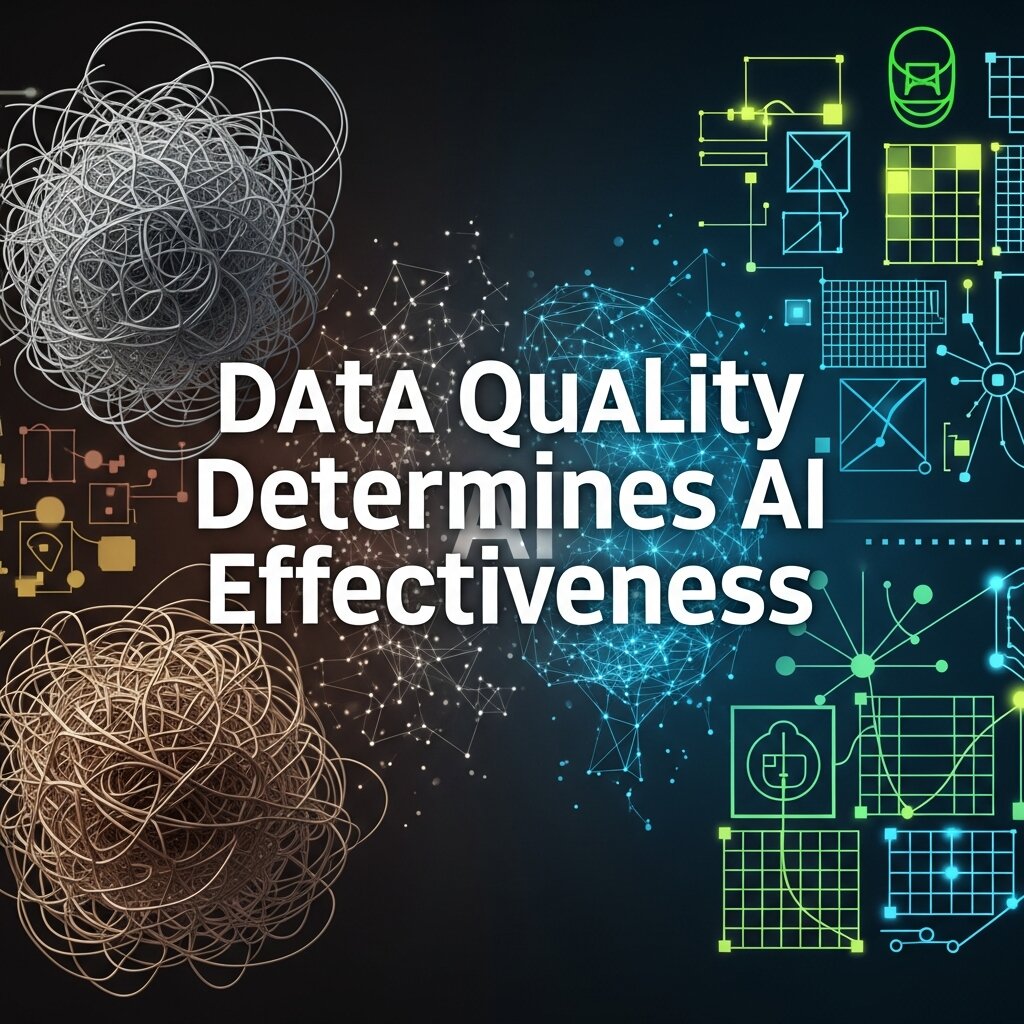
AI workflow automation is only as good as the data it learns from. If the underlying data is incomplete, inconsistent, or poorly structured, the AI’s decisions will reflect that. Before deploying AI automation at scale, organizations need to audit their data infrastructure and address gaps.
This is particularly true for AI content generation and AI marketing tools, where outputs are directly customer-facing. Training an AI writing system on low-quality content will produce low-quality results. The investment in clean, well-organized data pays dividends at every stage of automation.
Start Narrow, Then Scale
The organizations that struggle most with workflow automation are those that try to automate everything at once. The smarter approach is to identify one or two high-volume, high-friction processes, automate those, measure the results, and build from there.
A single successful automation project builds confidence, surfaces lessons, and creates organizational momentum. It also gives teams time to develop the skills and governance structures needed to manage AI systems responsibly.
The Bigger Picture: What Automation Means for the Future of Work
Automation has always changed the nature of work. The industrial revolution moved labor from farms to factories. Computing moved it from filing cabinets to spreadsheets. AI-powered workflow automation is the next shift—moving human effort away from repetitive execution and toward higher-order thinking.
This doesn’t mean fewer jobs in any simple sense. It means different jobs. Roles that were primarily administrative will evolve into roles that require interpretation, creativity, and judgment. New functions will emerge around AI governance, prompt engineering, workflow design, and data strategy.
The organizations best positioned for this shift are those investing now—not just in tools, but in the skills and strategies needed to use them well. That means building AI brand strategies that maintain coherence across automated outputs, developing AI content generation processes that preserve quality at scale, and deploying AI marketing tools within a broader automation architecture that connects across teams and systems.
Frequently Asked Questions
1. What is AI-powered workflow automation?
AI-powered workflow automation uses artificial intelligence to automate business processes by analyzing data, making context-aware decisions, and completing tasks with minimal human intervention. Unlike traditional automation, it can adapt to changing conditions and handle more complex workflows.
2. How does AI workflow automation differ from traditional automation?
Traditional automation follows predefined rules and workflows, while AI workflow automation uses machine learning and natural language processing to understand patterns, make decisions, and improve performance over time without relying solely on fixed rules.
3. Which business processes can benefit most from AI workflow automation?
High-volume and repetitive processes such as customer support, marketing, HR onboarding, invoice processing, document management, sales follow-ups, and approval workflows are among the most effective use cases for AI-powered automation.
4. Can small businesses implement AI workflow automation?
Yes. Many cloud-based AI automation platforms offer affordable solutions designed for small and medium-sized businesses. Companies can start by automating a single workflow and expand as their needs grow.
5. What are the benefits of AI-powered workflow automation?
AI workflow automation improves productivity, reduces operational costs, minimizes manual errors, accelerates decision-making, enhances customer experiences, and allows employees to focus on higher-value strategic work.
6. How do AI marketing tools support workflow automation?
AI marketing tools automate tasks such as content generation, audience segmentation, campaign scheduling, email personalization, performance analysis, and lead nurturing, helping marketing teams execute campaigns more efficiently and consistently.
7. What challenges should organizations consider before adopting AI workflow automation?
Businesses should focus on data quality, employee training, change management, system integration, and governance. Establishing clear objectives and monitoring AI performance are essential for long-term success.
8. Is AI workflow automation secure for handling sensitive business data?
It can be secure when implemented with proper cybersecurity measures, including encryption, role-based access controls, compliance with data privacy regulations, regular security audits, and trusted AI vendors that follow industry best practices.
9. How can companies measure the success of AI workflow automation?
Success can be measured using key performance indicators (KPIs) such as processing time, cost savings, error reduction, employee productivity, customer satisfaction, workflow completion rates, and return on investment (ROI).
10. What is the future of AI-powered workflow automation?
The future includes more intelligent automation powered by generative AI, predictive analytics, autonomous decision-making, robotic process automation (RPA), and deeper integration with cloud platforms, enabling businesses to create smarter, faster, and more adaptive workflows.
The Competitive Divide Is Already Opening
Organizations that have embraced workflow automation are operating at a different pace than those that haven’t. They’re producing more content, processing more transactions, responding to customers faster, and making decisions based on richer data. That gap will widen as AI capabilities continue to advance.
The good news is that the barriers to entry are lower than ever. Purpose-built tools now make sophisticated workflow automation accessible to businesses of all sizes—not just enterprises with large IT budgets. The question is no longer whether to automate, but where to start.