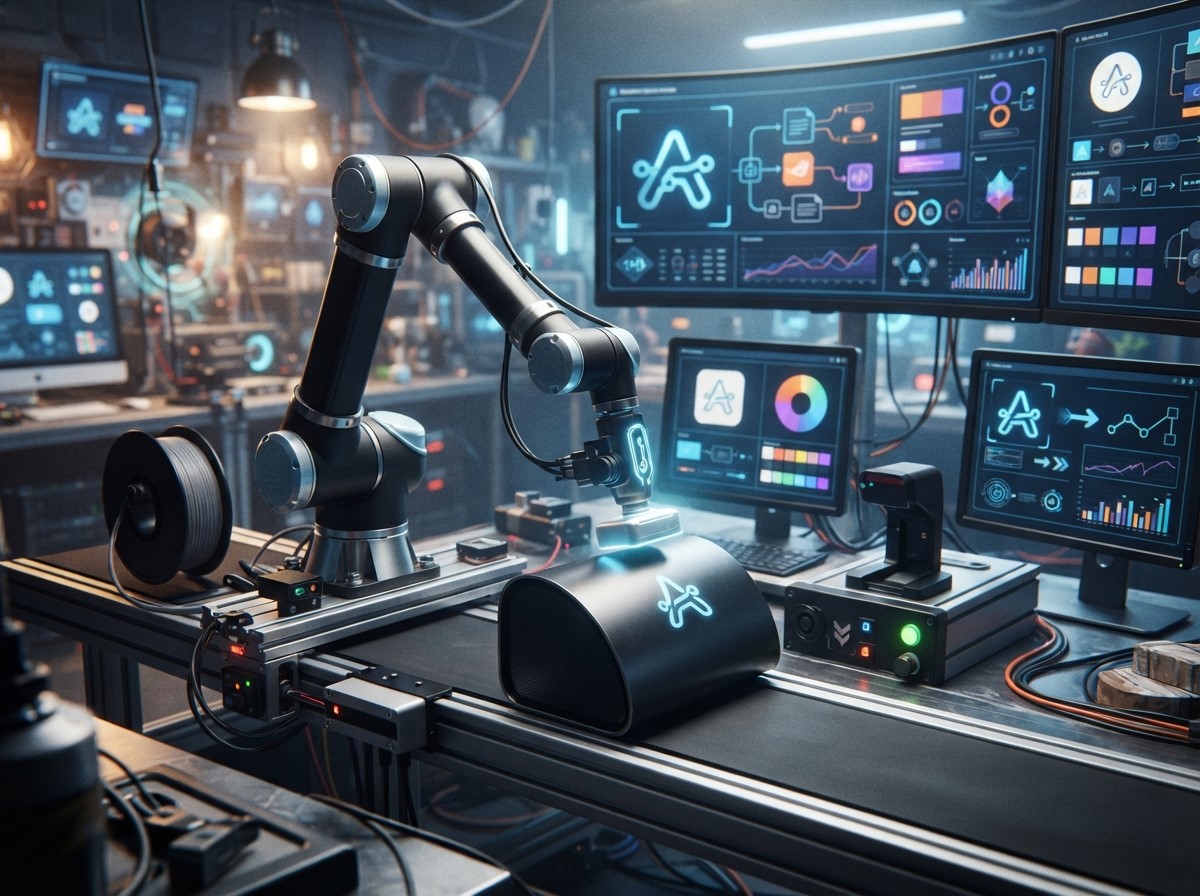
Building a recognizable online identity requires more than simply publishing content across different digital platforms. Businesses need consistency in their messaging, visuals, customer interactions, and publishing schedules. Digital branding automation helps businesses streamline these activities by using technology to manage repetitive branding tasks while maintaining a unified identity across multiple channels.
Modern customers may interact with a brand through social media, websites, email, search engines, online communities, and messaging platforms. If the brand experience changes from one channel to another, customers may find it difficult to recognize or trust the business. Automation can help create a more connected experience by coordinating content, communication, customer interactions, and brand touchpoints.
With the right strategy, automation does not make branding feel robotic. Instead, it gives marketing teams more time to focus on creative ideas, customer relationships, and long-term brand development.
What Is Digital Branding Automation?
Digital branding automation refers to the use of software, workflows, and technology to automate repetitive activities involved in maintaining and promoting a brand online. It can support content publishing, social media management, customer communication, email campaigns, audience segmentation, and other digital branding activities.
The main purpose is to maintain consistency while reducing the amount of manual work required from marketing teams. Instead of completing every task individually, businesses can create predefined workflows that perform specific actions automatically.
How Automation Supports Brand Consistency
Brand consistency depends on repeating the same core identity across different customer touchpoints. Automation can help organizations apply approved messaging, content formats, publishing schedules, and communication workflows more consistently.
For example, a business can schedule social media posts in advance and use predefined content guidelines. Automated workflows can also trigger specific communications after customers complete certain actions. This creates a more organized brand experience while reducing the possibility of missed or inconsistent communication.
Why Consistency Matters in Digital Branding
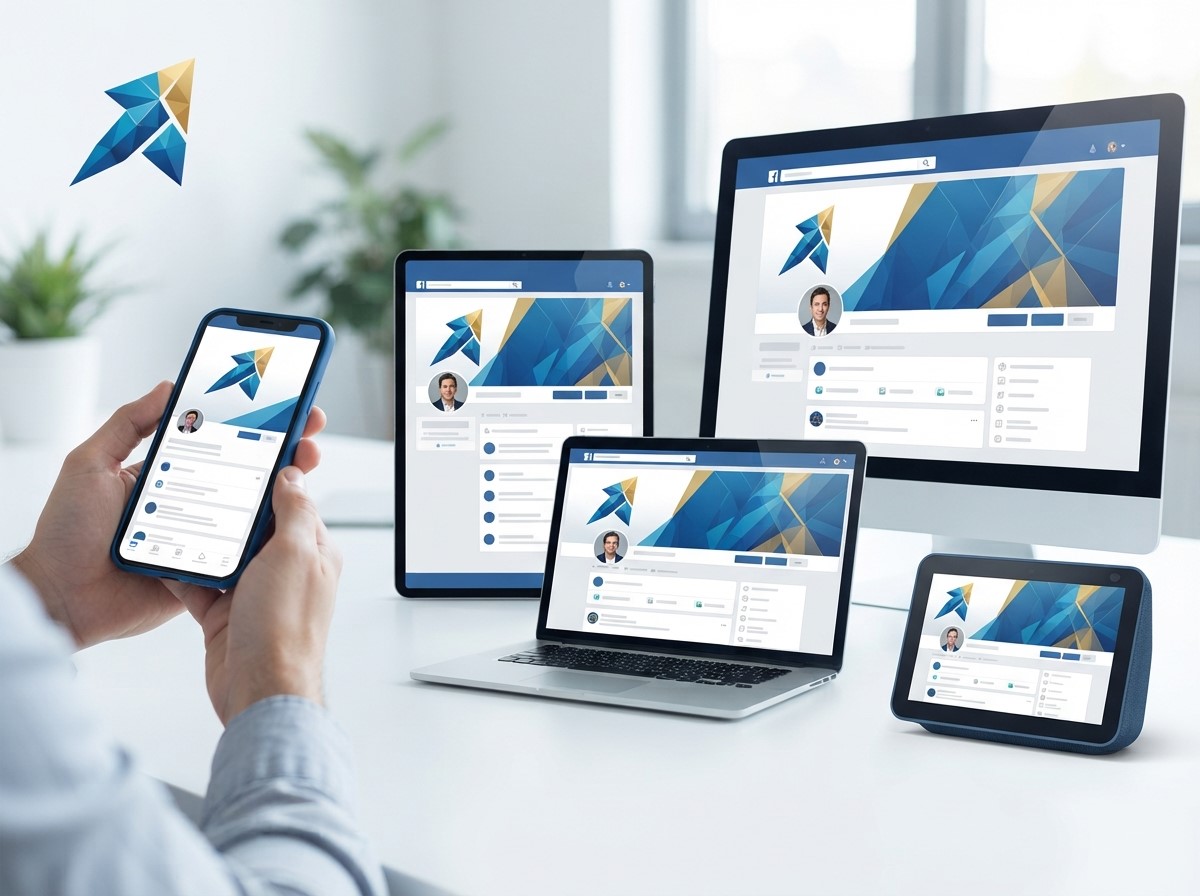
A consistent brand identity helps customers recognize a business more easily. When the same visual style, tone, messaging, and values appear across different channels, the brand becomes easier to remember.
Consistency also creates a more predictable customer experience. Customers may discover a company through search engines and later visit its website or social media profiles. If each channel communicates the same brand message, the transition between platforms feels more natural.
Creating a Unified Brand Voice
A brand voice determines how a business communicates with its audience. Automation can support this voice by using predefined templates, approved messaging structures, and content guidelines.
However, automation should not completely replace human review. Automated content still needs to reflect the brand’s personality and remain relevant to the audience. A strong process combines automation with human creativity and editorial oversight.
Key Benefits of Digital Branding Automation
Digital branding automation can improve efficiency while helping businesses create a more organized online presence. The benefits become especially valuable when a company manages multiple platforms, campaigns, and customer interactions.
Saving Time on Repetitive Marketing Tasks
Marketing teams often spend significant amounts of time scheduling posts, sending routine emails, organizing leads, and managing recurring campaigns. Automation can handle many of these repetitive activities based on predefined rules.
This allows team members to spend more time developing creative campaigns, researching customers, improving brand messaging, and planning long-term marketing strategies.
Maintaining Consistent Brand Messaging
Consistency can become difficult when multiple employees manage different marketing channels. Automated workflows can use predefined templates and processes to reduce variations in communication.
Businesses can establish approved language, visual standards, campaign structures, and publishing processes. These guidelines can then be integrated into automated workflows to support a more consistent brand presence.
Improving Marketing Productivity
Automation can help marketing teams manage more activities without increasing manual workload at the same rate. A single workflow can perform multiple actions based on customer behavior, campaign schedules, or predefined conditions.
This can make marketing operations more structured and reduce the time required to coordinate routine tasks across multiple platforms.
Using Social Media Automation for Brand Consistency
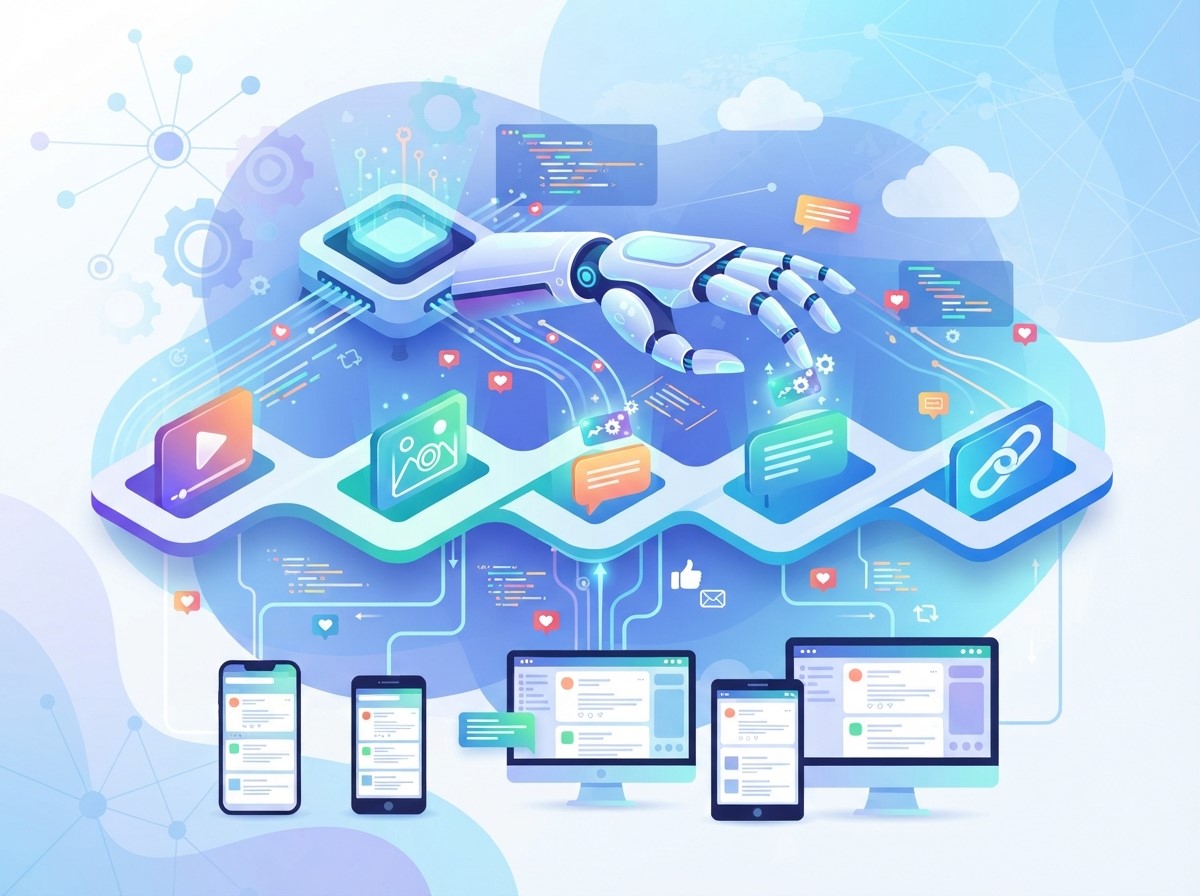
Social media automation allows businesses to schedule, organize, and manage social content across different platforms. Instead of publishing every post manually, marketers can prepare content in advance and use scheduling tools to maintain a consistent publishing routine.
Social media automation is particularly useful for businesses that manage multiple accounts. It can help coordinate campaigns while ensuring that important brand messages appear regularly.
Building a Consistent Social Media Presence
A consistent social media presence requires more than posting frequently. Content should maintain recognizable visual elements, messaging patterns, and communication styles.
Automation can help marketers prepare content calendars, schedule campaigns, and organize recurring posts. However, real-time interactions should still receive human attention because customers often expect personalized responses to questions and conversations.
Using Content Automation to Strengthen Brand Identity
Content automation involves using technology to streamline different parts of the content creation, organization, distribution, and publishing process. It can support blog publishing, email campaigns, social media distribution, and content repurposing.
The goal is not simply to produce more content. Effective automation helps businesses distribute useful and consistent content to the right audiences while reducing repetitive operational work.
Automating Content Distribution
A single piece of content can often be adapted for multiple digital channels. For example, a detailed blog article can support social media posts, email content, short educational updates, and other promotional formats.
Automated workflows can help distribute these variations according to predefined schedules. This allows businesses to extend the value of existing content while maintaining consistent messaging across platforms.
Customer Journey Automation and Brand Experience
Customer journey automation connects marketing activities with specific stages of the customer experience. Instead of sending identical communications to everyone, businesses can create workflows based on customer actions and engagement.
For example, a visitor who downloads an educational resource may receive a follow-up email. Someone who repeatedly interacts with product content may enter a different communication sequence. These automated experiences can make customer communication more relevant.
Personalizing Automated Customer Interactions
Automation becomes more effective when customer data is used responsibly to personalize communication. Businesses can segment audiences based on interests, previous interactions, purchasing behavior, or engagement patterns.
Personalization can help customers receive information that is more relevant to their needs. At the same time, businesses should avoid excessive automation that makes interactions feel repetitive or intrusive.
How to Build a Digital Branding Automation Strategy
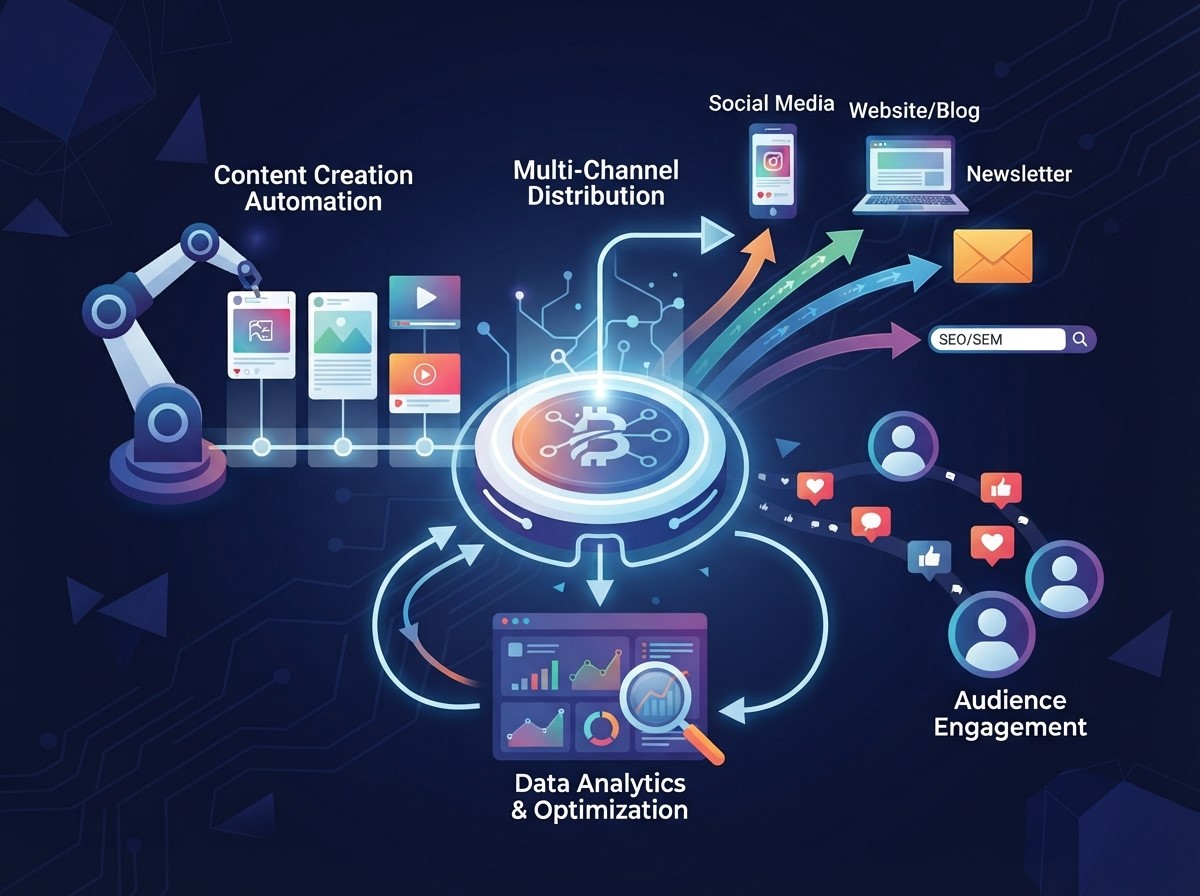
A successful automation strategy begins with clear branding goals. Businesses should identify which activities require consistency, which tasks are repetitive, and where automation can improve efficiency without reducing the quality of customer interactions.
Define Your Brand Guidelines
Before automating branding activities, businesses should establish clear guidelines for their visual identity, tone of voice, messaging, colors, typography, and communication style.
These guidelines provide a foundation for automated workflows. When employees and automation tools follow the same standards, maintaining a recognizable identity becomes easier.
Identify Repetitive Branding Tasks
The next step is identifying activities that happen repeatedly. These may include social media scheduling, email follow-ups, content distribution, customer notifications, campaign reminders, and reporting.
Tasks that follow predictable rules are generally easier to automate. More creative activities may still require direct human involvement.
Choose Suitable Automation Tools
Businesses should select tools based on their actual workflow requirements rather than simply choosing the platform with the largest number of features.
Marketing automation platforms, customer relationship management systems, social scheduling tools, email platforms, analytics solutions, and content management systems can work together to create a connected automation ecosystem.
Balancing Automation With Human Creativity
Automation can improve efficiency, but branding still depends heavily on human creativity. Customers connect with brands because of their stories, ideas, values, and experiences.
If every interaction becomes completely automated, communication can lose its personal character. Businesses should therefore use automation for repetitive processes while allowing people to handle strategy, creative development, sensitive conversations, and important customer interactions.
Human Oversight Improves Automated Branding
Regular review is important because automated workflows may continue running even when circumstances change. A campaign may become outdated, a message may no longer be relevant, or customer expectations may shift.
Marketing teams should regularly review automated campaigns, update messaging, evaluate performance, and remove workflows that no longer support current business goals.
Measuring the Success of Branding Automation
Automation should be measured through meaningful performance indicators rather than simply the number of automated tasks completed. Businesses need to understand whether automation is improving their marketing efficiency and customer experience.
Useful measurements can include engagement, website activity, lead generation, email interactions, customer retention, content performance, and campaign conversion rates.
Using Data to Improve Automation
Performance data can reveal which automated workflows are producing useful results and which ones need adjustment. Businesses can analyze engagement patterns and customer behavior to refine their campaigns.
Continuous improvement helps prevent automation from becoming a static system. Instead, workflows can evolve as customer needs, market conditions, and business objectives change.
Common Mistakes in Digital Branding Automation
One common mistake is automating too many customer interactions. Not every conversation should be handled through predefined workflows. Customers may become frustrated when they cannot reach a real person when they need assistance.
Another mistake is focusing on quantity instead of quality. Publishing more automated content does not automatically create a stronger brand. Content should remain useful, relevant, accurate, and aligned with the company’s identity.
Ignoring brand guidelines is another potential problem. Different automated campaigns may use inconsistent messaging if teams do not establish clear standards before implementation.
Future of Digital Branding Automation
As marketing technology continues to develop, automation is becoming increasingly connected with artificial intelligence, customer data, analytics, and personalization. Businesses can use these technologies to understand audiences and coordinate marketing activities across multiple channels.
The future of branding automation is likely to focus more heavily on connected customer experiences. Instead of automating individual tasks separately, businesses can create integrated systems where content, customer communication, social media, and analytics work together.
Building More Connected Brand Experiences
Customers increasingly expect businesses to provide consistent experiences across websites, social platforms, email, messaging channels, and other digital touchpoints.
Integrated automation can help businesses coordinate these interactions while preserving a recognizable brand identity. The most effective approach combines technology, accurate customer information, creative strategy, and human oversight.
Conclusion
Digital branding automation can help businesses create a more consistent and organized online identity while reducing repetitive marketing work. By combining social media automation, content automation, and customer journey automation, businesses can coordinate different parts of their digital presence more efficiently.
The key is to automate processes without removing the human elements that make a brand recognizable and trustworthy. Clear brand guidelines, thoughtful workflows, regular performance reviews, and human oversight can help businesses build automation systems that support long-term digital branding goals.
Frequently Asked Questions
1. What is digital branding automation?
Digital branding automation uses software and predefined workflows to automate repetitive branding and marketing activities. It can support social media publishing, content distribution, email communication, customer interactions, and campaign management.
2. How does digital branding automation improve consistency?
It helps businesses use standardized workflows, templates, messaging guidelines, and publishing schedules. These processes can reduce inconsistencies across different digital channels and create a more recognizable brand experience.
3. What is social media automation?
Social media automation involves using tools to schedule, organize, and manage social media content. It helps businesses maintain regular publishing schedules while reducing the amount of manual work required.
4. What is content automation?
Content automation uses software and workflows to streamline content creation, organization, distribution, and publishing. It can help businesses reuse and distribute content across multiple digital channels.
5. What is customer journey automation?
Customer journey automation creates automated communication workflows based on customer actions and engagement. It can help businesses deliver more relevant messages at different stages of the customer journey.
6. Can automation replace human marketers?
Automation can handle many repetitive marketing tasks, but it does not completely replace human creativity and strategic decision-making. Human involvement remains important for brand strategy, creative content, customer relationships, and sensitive communication.
7. How can small businesses use branding automation?
Small businesses can begin by automating repetitive activities such as social media scheduling, email follow-ups, content distribution, and customer notifications. Starting with a few useful workflows can make automation easier to manage.
8. Does automation make a brand feel less personal?
Automation can feel impersonal when businesses automate every interaction without considering customer context. Combining automated workflows with personalized communication and human support can help maintain a more natural brand experience.
9. How should businesses measure branding automation?
Businesses can evaluate automation through metrics such as engagement, website activity, lead generation, customer interactions, campaign performance, and retention. These measurements can reveal whether automated workflows are supporting business objectives.
10. What is the future of digital branding automation?
The future of digital branding automation is likely to involve stronger connections between artificial intelligence, customer data, analytics, content systems, and marketing platforms. Businesses will increasingly focus on creating connected experiences across multiple digital channels.