
Technology continuously changes how we interact with our living spaces. A few decades ago, turning off all the lights meant walking from room to room, flipping switches. Adjusting the temperature required physically turning a dial on a hallway thermostat. Today, a single voice command or a quick tap on a smartphone can secure the doors, dim the lights, and set the perfect ambient temperature before you even pull into your driveway.
This dramatic shift is fundamentally altering our daily routines and expectations of comfort. People want homes that actively respond to their needs rather than passively waiting for manual input. They want spaces that learn their habits, anticipate their preferences, and optimize resource usage without constant supervision.
If you are exploring this topic for the first time, you are likely wondering what is home automation and why it has triggered such a massive global trend. This comprehensive guide will walk you through the core concepts of smart living, the underlying technology that makes it possible, and the undeniable benefits driving its explosive growth.
You will also learn how to navigate the rapidly expanding market, identify the best brands for automation, and understand how companies are refining their products to meet consumer demands. By the end of this post, you will have a clear roadmap for transforming your own living space into a modern, responsive environment.
Understanding the Basics: What Is Home Automation?
At its most fundamental level, home automation involves connecting various household devices and appliances to a central network, allowing them to be controlled remotely or programmed to operate autonomously. These devices communicate with each other and with you, usually through a central hub, a smartphone application, or a voice-activated assistant.
The concept goes far beyond simply using a remote control for your television. True automation means setting up routines and rules. You can program your coffee maker to start brewing at 6:00 AM, prompt your window blinds to open at sunrise, and have your security cameras activate the moment you leave for work. The goal is to minimize manual effort and maximize the efficiency of your daily household operations.
The technology powering these systems has evolved rapidly. Early iterations were clumsy, expensive, and required complex hardwiring that only specialized technicians could install. Modern systems, however, largely rely on wireless communication protocols like Wi-Fi, Bluetooth, Zigbee, and Z-Wave. This shift to wireless connectivity has democratized the technology, making it accessible to renters and homeowners alike. You can now purchase a smart bulb from a local hardware store, screw it into an existing fixture, connect it to your home Wi-Fi network, and control it from anywhere in the world within five minutes.
Why the Surge in Popularity?

The transition from traditional houses to automated living spaces is accelerating. Market analysts predict continued exponential growth over the next decade. But what exactly is driving millions of people to upgrade their living environments? The answer lies in a combination of convenience, economic benefits, and enhanced peace of mind.
Unprecedented Convenience and Time Savings
Time is arguably our most valuable resource. We constantly seek ways to streamline our schedules and eliminate repetitive tasks. Smart living systems provide a seamless way to manage a household with minimal friction.
Instead of walking through a dark house to check if the back door is locked, you can simply glance at your phone. You can unlock the front door for a pet sitter while sitting at your office desk across town. By grouping actions together, you can trigger complex sequences with a single phrase. Saying “Goodnight” to your virtual assistant can simultaneously turn off the downstairs lights, lower the thermostat, lock the doors, and arm the alarm system. Over weeks and months, the seconds and minutes saved by these automated processes add up to a significant amount of reclaimed time.
Energy Efficiency and Cost Reduction
Many people initially adopt smart technology for the novelty, but they quickly realize the financial benefits. Traditional heating and cooling systems often waste energy by conditioning empty rooms or running at full capacity when nobody is home. Smart thermostats learn your schedule and adjust the climate accordingly, ensuring you never pay to heat an empty house.
Similarly, automated lighting systems can detect occupancy and turn off lights in vacant rooms. Smart plugs monitor energy consumption, allowing you to identify and disconnect appliances that draw phantom power. Over time, these small optimizations result in noticeably lower utility bills. The initial investment in smart devices often pays for itself through these long-term energy savings.
Enhanced Security and Peace of Mind
Security is a primary motivator for many consumers entering the smart tech market. Traditional alarm systems simply sound a siren if a breach occurs. Modern automated systems offer proactive, intelligent security measures that keep you connected to your property 24/7.
Smart doorbells with built-in cameras allow you to see and speak to visitors from anywhere. Motion sensors can trigger outdoor floodlights and instantly send a notification to your smartphone with a live video feed. Smart locks let you assign temporary digital keys to guests or service workers, keeping a detailed log of exactly who enters your house and when. This constant connectivity provides a profound sense of security, knowing you have complete visibility over your property regardless of your physical location.
Accessibility and Independent Living
For elderly individuals or those living with disabilities, automated systems offer life-changing benefits. Voice-activated controls eliminate the need to physically manipulate hard-to-reach switches or heavy door locks. Automated routines ensure that essential tasks, like locking doors at night or turning on pathway lighting, happen reliably without physical exertion. This technology empowers people to maintain their independence and navigate their homes safely and comfortably.
Exploring the Market: Home Automation Brands
As consumer demand has skyrocketed, the market has flooded with manufacturers offering every conceivable type of smart device. Navigating this crowded landscape can be overwhelming. Building a cohesive system requires choosing devices that can communicate seamlessly with one another.
When looking at the home automation brands available today, you will generally find a few dominant tech giants alongside specialized hardware manufacturers. Companies like Amazon, Google, and Apple provide the foundational ecosystems. Their voice assistants—Alexa, Google Assistant, and Siri—serve as the central command centers for most modern smart homes.
Selecting the Best Brands for Automation
Choosing the best brands for automation depends heavily on your specific needs, your budget, and the ecosystem you already use. If your family heavily uses Apple devices, integrating with Apple HomeKit makes sense. If you prefer a highly customizable and broadly compatible system, Amazon’s Alexa ecosystem supports a massive range of third-party products.
Beyond the hub providers, several specialized brands have established themselves as industry leaders in specific categories:
- Lighting: Philips Hue remains the gold standard for smart lighting. They offer a vast array of bulbs, light strips, and outdoor fixtures known for their reliability and rich color profiles.
- Climate Control: Ecobee and Nest dominate the smart thermostat market. Both offer intuitive interfaces, excellent learning algorithms, and seamless integration with major voice assistants.
- Security: Brands like Ring, Arlo, and Wyze provide robust security solutions ranging from video doorbells to comprehensive multi-camera setups.
- Smart Locks: August and Schlage lead the way in secure, reliable smart locks that offer multiple entry methods, including geofencing and keypad access.
When building your system, it is crucial to check for interoperability. Look for devices that support unified standards. The recent introduction of “Matter,” a new universal smart home connectivity standard supported by Apple, Google, Amazon, and Samsung, promises to make cross-brand compatibility much simpler in the near future.
How Companies Listen to the Market
The rapid evolution of smart technology is not happening in a vacuum. Manufacturers are keenly aware of consumer frustrations, shifting preferences, and emerging trends. To stay competitive in such a fast-paced industry, companies rely heavily on continuous data analysis and market research.
This is where automated brand tracking comes into play. Tech companies use sophisticated software to monitor mentions of their products across social media, forums, and customer review platforms. By utilizing automated brand tracking, they can instantly gauge consumer sentiment, identify recurring software bugs, and understand which features users value most. If users consistently complain that a specific smart lock drops its Wi-Fi connection, the manufacturer’s tracking tools will flag the issue immediately, allowing their engineering team to deploy a firmware update before the problem damages the brand’s reputation. This rapid feedback loop ensures that smart home devices are constantly improving and adapting to real-world usage.
Smart Home Security Systems
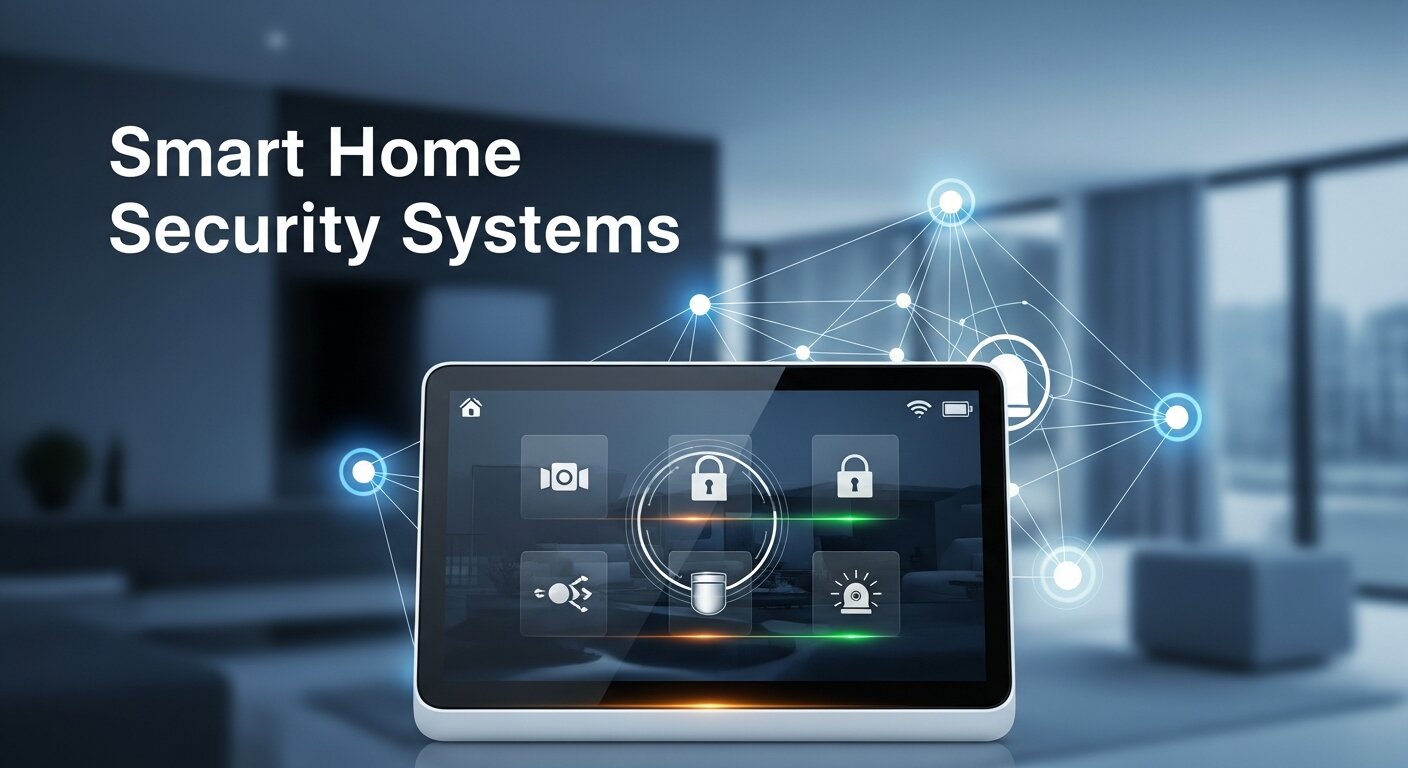
Smart home security systems represent one of the most widely adopted applications of automation technology. These systems combine cameras, motion sensors, smart locks, and alarm integrations to create a layered protection network for modern households. Unlike traditional security setups, they provide real-time alerts directly to smartphones, allowing homeowners to monitor activity from anywhere in the world. Advanced features such as facial recognition, motion-triggered recording, and two-way communication enhance both convenience and safety. Users can also grant temporary access to guests or service providers without physical keys. Over time, these systems learn patterns of normal activity, helping to reduce false alarms and improve accuracy. As connectivity improves, smart security continues to evolve into a proactive defense system rather than a reactive one.
Energy Management and Sustainability
Energy management is a core advantage of home automation systems, helping households reduce waste while promoting sustainable living practices. Smart thermostats, lighting systems, and energy-monitoring plugs work together to optimize electricity usage based on real-time behavior and environmental conditions. Instead of running appliances continuously, automated systems adjust operations based on occupancy, time schedules, and user preferences. This prevents unnecessary energy consumption and significantly reduces monthly utility costs. Many devices also provide detailed usage reports, allowing homeowners to identify high-consumption appliances and make informed decisions. Over time, these small adjustments contribute to a lower carbon footprint. As global energy concerns grow, smart home technology is becoming an essential tool for environmentally conscious living, balancing comfort with efficiency in everyday life.
The Future of Home Automation and Artificial Intelligence
The future of home automation is closely tied to advancements in artificial intelligence and machine learning. As these technologies evolve, smart homes will move beyond simple rule-based automation into fully adaptive environments capable of understanding human behavior at a deeper level. Future systems will anticipate needs before users issue commands, adjusting lighting, temperature, entertainment, and security settings automatically based on context and emotional cues. Integration with Internet of Things (IoT) devices will expand connectivity across entire ecosystems, including vehicles and city infrastructure. Voice assistants will become more conversational and personalized, acting as true digital companions. With continuous data learning, homes will become more efficient, intuitive, and responsive, redefining how humans interact with their living spaces.
Stepping Into a Smarter Future
The concept of a home that anticipates your needs is no longer science fiction. It is a practical, accessible reality that is reshaping modern living. By integrating intelligent devices into your daily routines, you can reclaim your time, reduce your environmental footprint, and enhance the safety of your living space.
Starting your journey into smart technology does not require a massive upfront investment. You can begin with a single smart speaker and a couple of automated lightbulbs. As you experience the convenience and efficiency firsthand, you can gradually expand your setup, carefully selecting compatible devices that align with your specific lifestyle needs.