
Upgrading your house with smart technology used to mean buying a few programmable timers and hoping they worked. Now, the landscape is entirely different. You can control your lights, security cameras, thermostats, and entertainment systems from a single piece of glass in your pocket. Choosing the right equipment from reputable home automation brands is the secret to building a system that actually makes your life easier, rather than adding frustrating technical glitches to your daily routine.
Selecting the right smart home ecosystem is a big decision. Once you start buying products from a specific manufacturer, it often makes sense to stick with them to ensure everything communicates smoothly. A mismatched collection of smart bulbs and smart plugs from a dozen different companies will leave you juggling multiple apps and accounts.
By committing to top-tier home automation brands, you secure a reliable foundation for your smart home setup. This guide explores the most reputable companies in the industry, what makes their platforms unique, and how to choose the right fit for your living space. We will cover everything from budget-friendly consumer options to premium, professionally installed systems.
What Defines the Best Home Automation Brands?
Before looking at specific companies, it helps to understand what separates a premium smart home brand from a frustrating one. The most successful companies share a few core characteristics that elevate the user experience.
Interoperability and Ecosystem Integration
A top-tier brand understands that it cannot make every single device you will ever need. Therefore, their products must play nicely with others. The best brands support major voice assistants and integrate with universal protocols like Zigbee, Z-Wave, and the new Matter standard. Matter is particularly exciting because it allows devices from historically competing home automation brands to work together on a single local network.
Robust Security and Privacy
When you install cameras in your living room and smart locks on your front door, security is non-negotiable. Leading companies provide two-factor authentication, end-to-end encryption for video feeds, and transparent privacy policies. They release regular firmware updates to patch vulnerabilities, keeping your home network safe from outside intrusions.
User-Friendly Interfaces
Even the most advanced technology is useless if it requires a computer science degree to operate. Premium brands invest heavily in their mobile applications and physical interfaces. They offer intuitive controls, easy scheduling features, and automated routines that trigger multiple actions simultaneously.
Top-Rated Home Automation Brands on the Market
 Whether you are renting a small apartment or outfitting a massive custom build, there is a brand tailored to your needs. Here are the top-rated home automation brands leading the industry right now.
Amazon (Alexa and Ring)
Amazon has completely dominated the entry-level and mid-tier smart home market. Through its Echo line of smart speakers and the Ring security ecosystem, Amazon offers an incredibly accessible entry point into home automation. The Alexa voice assistant acts as the central brain, allowing you to control thousands of third-party devices using simple voice commands.
Ring provides comprehensive security solutions, including video doorbells, floodlight cameras, and full alarm systems. The sheer volume of compatible devices makes Amazon a safe bet for beginners. You can easily set up routines, such as having your smart lights turn on and your morning news brief play the moment you dismiss your alarm.
Google Nest
Google Nest is Amazon’s biggest competitor in the consumer space. Built around the Google Assistant, the Nest ecosystem is famous for its predictive intelligence. The learning thermostat, which put Nest on the map, actually learns your daily schedule and adjusts the temperature automatically to save energy.
Google’s smart displays, cameras, and audio equipment feature clean, minimalist designs that blend beautifully into modern home decor. Furthermore, Google Assistant is widely considered the smartest voice assistant on the market when it comes to answering complex questions and parsing conversational language.
Apple HomeKit
Apple took a different approach to home automation, prioritizing strict privacy and security standards above all else. Devices must pass rigorous certification to carry the “Works with Apple HomeKit” badge. While this means there are slightly fewer compatible devices on the market compared to Alexa or Google, the ones that do exist are highly reliable.
HomeKit processes most of its automation locally on your home hub (like an Apple TV or HomePod) rather than sending data to the cloud. This results in incredibly fast response times. If you already use an iPhone, iPad, or Mac, the Home app is built right into your operating system, offering a deeply integrated and secure smart home experience.
Samsung SmartThings
For users who want more technical control without stepping up to a professionally installed system, Samsung SmartThings is an excellent choice. The SmartThings hub acts as a universal translator, connecting Wi-Fi, Zigbee, and Z-Wave devices under one roof.
The platform allows for incredibly complex automation rules. For example, you can program the system to lock the doors, lower the blinds, and turn off the lights only if it is past 10:00 PM and your phone’s GPS indicates you have left the neighborhood. SmartThings is highly versatile and supports a massive library of third-party hardware.
Philips Hue
When it comes to smart lighting, Philips Hue remains the undisputed champion. While other home automation brands manufacture light bulbs, none have matched the reliability, color accuracy, and massive product catalog of Philips Hue.
Their ecosystem includes standard bulbs, LED light strips, outdoor spotlights, and specialized entertainment lighting that syncs with your television or computer monitor. Though they are priced at a premium, Hue lights operate on the Zigbee protocol via the Hue Bridge, ensuring they respond instantly and do not bog down your home Wi-Fi network.
Control4
If you are building a luxury home and want a system that is entirely hands-off, Control4 is the industry standard for professional installations. You cannot buy Control4 equipment at a local hardware store; it must be installed and programmed by a certified dealer.
Control4 integrates audio, video, climate, security, and lighting into a single, seamless interface. You can control your entire estate through dedicated wall touchscreens, custom engraved keypads, or a unified remote control. It is a premium investment, but it delivers an unmatched, bespoke automation experience.
Lutron
Lutron is a legendary name in lighting control and motorized shades. Their Caséta line is widely regarded as the most reliable smart lighting system available for standard consumers. Instead of replacing your light bulbs, Lutron replaces your physical light switches. This means your smart lights will still work even if a guest flips the switch on the wall.
Lutron’s proprietary Clear Connect wireless technology is virtually immune to interference. Their motorized window treatments are whisper-quiet and can be programmed to lower automatically during the hottest parts of the day, protecting your furniture from UV damage and reducing your cooling costs.
How Companies Market Smart Home Tech
The smart home industry is incredibly competitive. Manufacturers and local installation companies must constantly find ways to stand out. Many custom integration companies rely on automated branding to maintain a consistent presence in a crowded market.
By utilizing automated branding solutions, a local smart home installer can ensure their logo, messaging, and service offerings are uniformly presented across social media, email newsletters, and physical proposals. This level of professional presentation builds trust. When consumers are looking to spend thousands of dollars on a custom network and security setup, they want to work with a company that looks and operates flawlessly. Automated branding solutions help smaller tech integration firms compete with the massive marketing budgets of national security providers, allowing them to focus their energy on actual technical installation rather than daily marketing tasks.
Choosing the Right Ecosystem for Your Needs
With so many excellent home automation brands available, choosing the right one comes down to your technical comfort level and your current devices.
If you want a simple setup to play music and turn off the living room lamp, an Amazon Echo or Google Nest hub is perfect. If you are deeply entrenched in the Apple ecosystem and prioritize data privacy, HomeKit is the logical choice. If you love tinkering with code and writing complex “if this, then that” statements, look into Samsung SmartThings.
Start small. Purchase a smart hub, a few smart bulbs, and maybe a video doorbell. Once you learn how these devices interact, you can slowly expand your system. Ensure that every new device you purchase is explicitly compatible with your chosen core brand. Over time, you will build a cohesive network that anticipates your needs.
Common Mistakes to Avoid When Choosing Smart Home Devices
Building a smart home can quickly become frustrating if you make the wrong choices early on. One of the most common mistakes is mixing too many incompatible devices from different ecosystems. This leads to multiple apps, inconsistent performance, and limited automation capabilities. Another issue is ignoring long-term scalability. Many users buy cheap devices without checking whether they can integrate with future upgrades. Security is also often overlooked, with weak passwords or outdated firmware leaving systems vulnerable. Additionally, over-automation can create unnecessary complexity instead of convenience. A smart home should simplify your routine, not complicate it. Taking time to research compatibility, prioritize security, and plan your ecosystem in advance ensures a smoother experience and helps you build a reliable, efficient smart home environment over time.
How Smart Home Automation Improves Daily Life
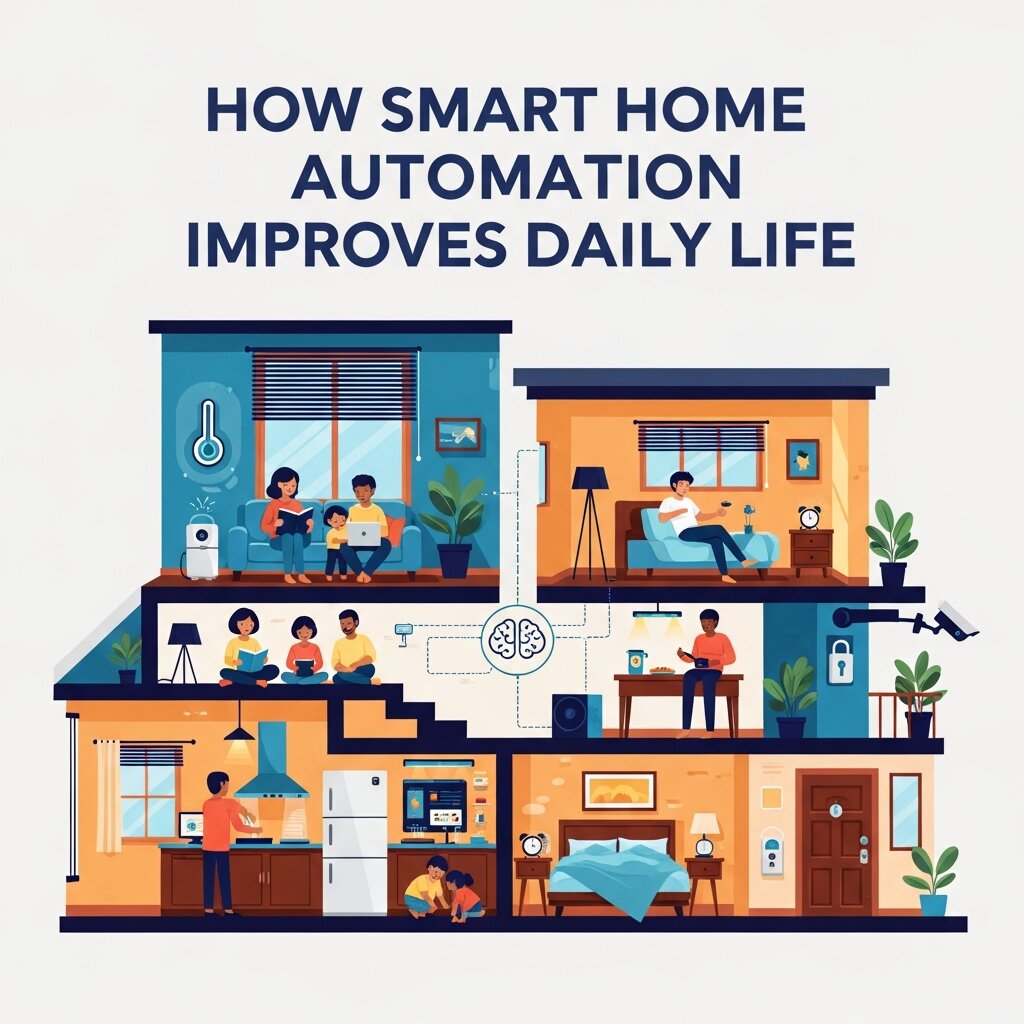
Smart home technology is not just about convenience—it fundamentally enhances how you live day to day. Automated lighting can adjust based on your schedule, reducing energy waste while creating a comfortable environment. Smart thermostats maintain optimal temperatures without constant manual input, improving both comfort and efficiency. Security systems provide real-time alerts and remote monitoring, giving you peace of mind whether you are at home or away. Voice assistants simplify everyday tasks like setting reminders, playing music, or controlling appliances instantly. Over time, these small improvements add up, saving time and reducing mental load. Instead of managing your home manually, automation works quietly in the background, allowing you to focus on more important aspects of your life while enjoying a safer, smarter, and more responsive living space.
Frequently Asked Questions (FAQ)
What are home automation brands?
Home automation brands are companies that design and manufacture smart devices and systems used to automate and control different aspects of a home. These include lighting, security cameras, thermostats, smart locks, and entertainment systems. Each brand typically offers its own ecosystem or platform that allows users to manage multiple devices from a single app or interface.
Which home automation brand is best for beginners?
For beginners, brands like Amazon Alexa and Google Nest are often the best starting points. They offer easy setup, affordable devices, and wide compatibility with third-party products. Their voice assistants also make it simple to control devices without needing advanced technical knowledge.
Do smart home devices from different brands work together?
Yes, many smart home devices can work together, especially if they support common standards like Zigbee, Z-Wave, or Matter. However, compatibility is not always guaranteed. Choosing one primary ecosystem and ensuring all devices support it helps avoid issues with connectivity and control.
Is home automation secure?
Home automation can be very secure if you choose reputable brands and follow best practices. Leading companies offer encryption, two-factor authentication, and regular software updates. Users should also secure their home Wi-Fi network and use strong passwords to reduce risks.
How much does it cost to build a smart home?
The cost varies depending on the size of your setup and the brands you choose. A basic smart home with a few lights and a voice assistant can be relatively inexpensive, while a fully automated home with security systems, climate control, and professional installation can cost significantly more.
Do I need professional installation for home automation?
Not always. Many consumer-level systems like Alexa, Google Nest, and Philips Hue are designed for easy DIY installation. However, high-end systems like Control4 often require professional installation for proper setup and customization.
Transform Your Living Space Today
Upgrading to a smart home is no longer a futuristic dream. The technology is reliable, affordable, and easily accessible. By selecting hardware from reputable home automation brands, you guarantee a smoother setup process and a longer lifespan for your devices.
Take an inventory of your daily routines. Identify the small annoyances—like forgetting to turn off the porch light or wondering if you locked the back door—and look for smart devices that solve those specific problems. Start building your system today, and enjoy the comfort, security, and convenience of a truly automated home.