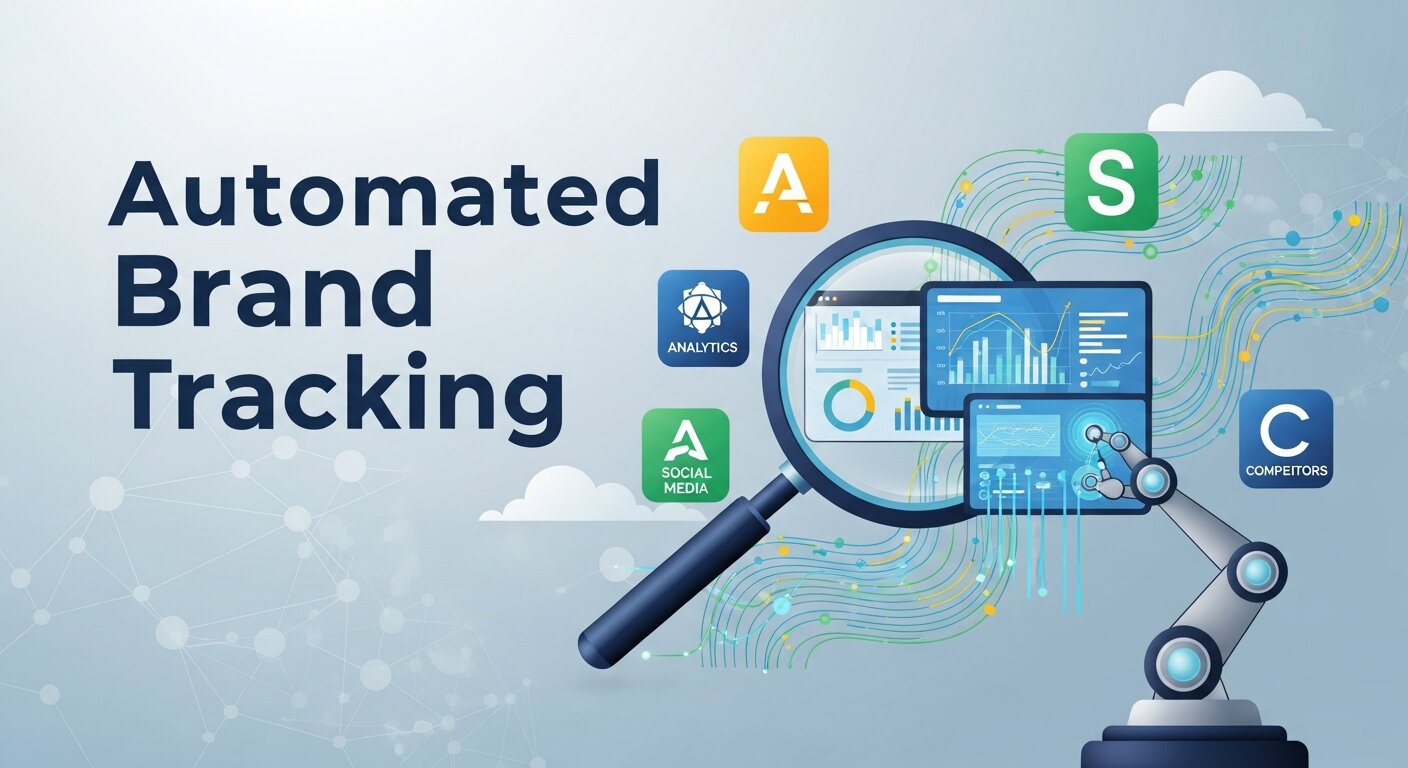
Marketers constantly face the pressure of proving the value of their campaigns. You launch a new initiative, spend thousands on advertising, and watch the initial engagement metrics roll in. Clicks, impressions, and conversions tell part of the story. They do not, however, reveal how the campaign shifted public perception or altered your overall brand equity. Measuring those deeper shifts used to require massive resources, manual surveys, and weeks of waiting for agencies to process the data.
By the time traditional brand health reports reach your desk, the market has already moved on. You are left making decisions based on outdated information, which compromises the effectiveness of your future campaigns. Consumers change their preferences rapidly, and your competitors are constantly adjusting their positioning. Relying on slow, manual research methods leaves your marketing team operating a step behind the rest of the industry.
Automated brand tracking solves this timing issue. Software now handles the heavy lifting of gathering consumer sentiment, monitoring awareness, and measuring market share continuously. Marketing teams receive real-time insights that allow them to adjust strategies on the fly. This guide explores how transitioning to automated branding solutions can directly improve your marketing performance, optimize your budget, and keep your messaging relevant.
Understanding the Shift to Automation
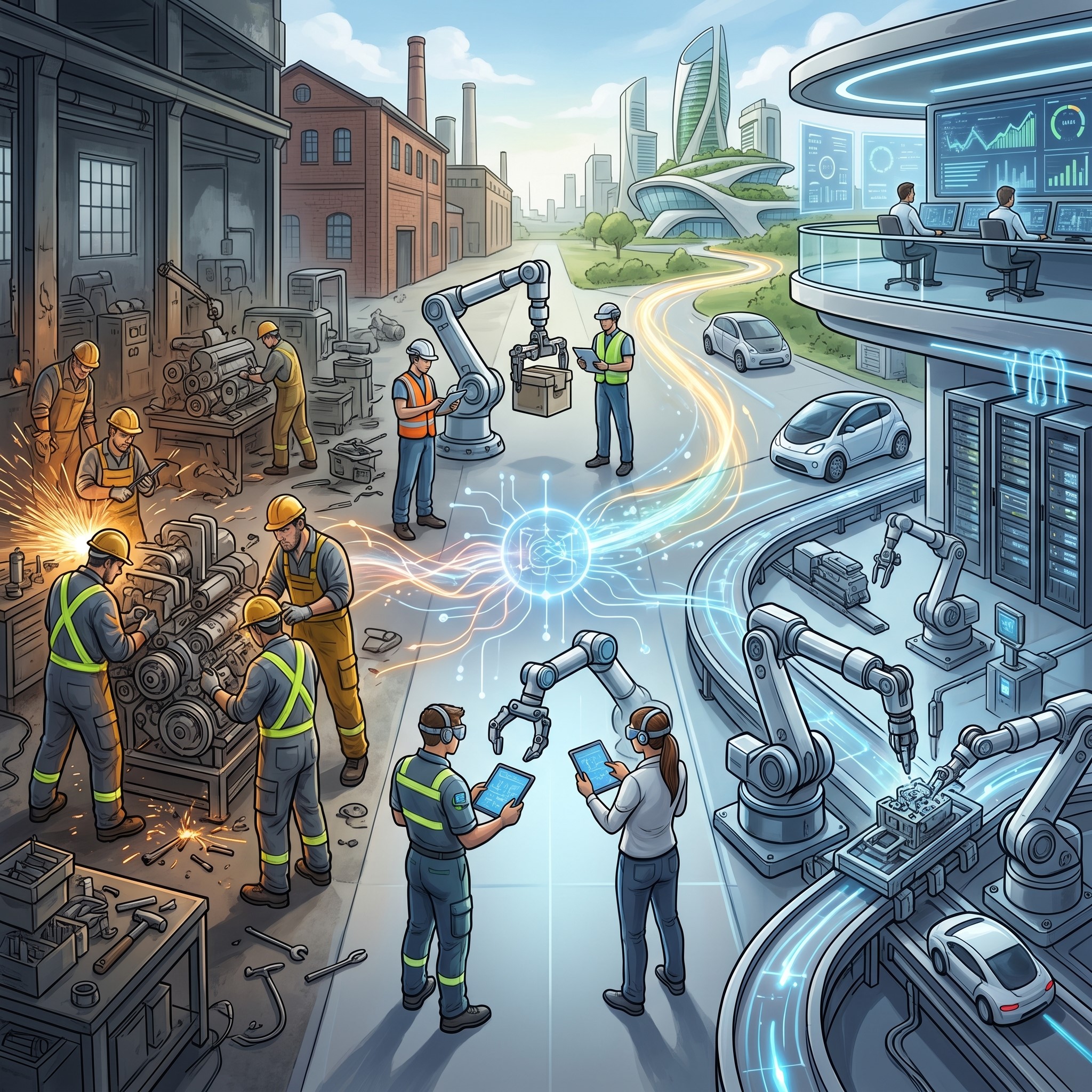
Brand tracking has historically been a cumbersome process. Companies would commission quarterly or annual surveys to gauge brand awareness, consideration, and preference. Researchers would compile the data, analyze the responses, and eventually present a static snapshot of the brand’s health.
This traditional model fails to account for the dynamic nature of modern commerce. A single viral social media post can alter brand perception overnight. Automated brand tracking replaces periodic surveys with continuous data collection. It leverages artificial intelligence and machine learning to gather insights from digital channels, search behaviors, and online conversations. Software synthesizes this vast amount of unstructured data into clear, readable dashboards.
Marketing leaders can log in on any given Tuesday and see exactly how their brand health metrics shifted over the weekend. This constant stream of information removes the guesswork from marketing strategy and replaces it with concrete, up-to-date evidence.
The Core Benefits of Automated Branding Solutions
Switching from manual reporting to automated systems provides several immediate advantages for your marketing department. These benefits ripple outward, improving everything from daily ad spend to long-term creative planning.
Real-time Data and Agility
Agility separates successful marketing teams from the rest. When you launch a new product, you need to know immediately if the messaging resonates with your target audience. Automated brand tracking provides that instant feedback loop. If an advertisement causes confusion or sparks negative sentiment, the software flags the issue right away.
Your team can then pull the underperforming ad, tweak the copy, and relaunch before the campaign budget drains completely. This level of responsiveness prevents wasted resources. It also allows you to capitalize on positive trends. If a specific feature of your product suddenly gains traction online, you can rapidly pivot your content strategy to highlight that exact feature.
Competitor Benchmarking at Scale
You cannot evaluate your marketing performance in a vacuum. Your success is always relative to your competitors. Automated branding solutions monitor your rivals just as closely as they monitor your own business. The software tracks their share of voice, campaign launches, and public reception.
If a competitor releases a poorly received product, an automated system will detect the negative shift in their brand sentiment. Your marketing team can use this intelligence to launch targeted counter-campaigns, capturing frustrated consumers looking for an alternative. Continuous benchmarking ensures you always know where you stand in the industry hierarchy.
Cost Reduction and Resource Allocation
Commissioning manual brand health studies is expensive. Agencies charge premium fees for data collection and analysis. Bringing this process in-house using traditional methods requires a massive investment in human capital. Analysts end up spending their entire week crunching numbers instead of developing strategy.
Automated tools dramatically reduce these overhead costs. The software performs the data collection and basic analysis autonomously. Your analysts are then freed up to focus on high-level strategy and creative problem-solving. This reallocation of resources makes your entire marketing department more efficient and productive.
How Automation Directly Boosts Marketing Performance
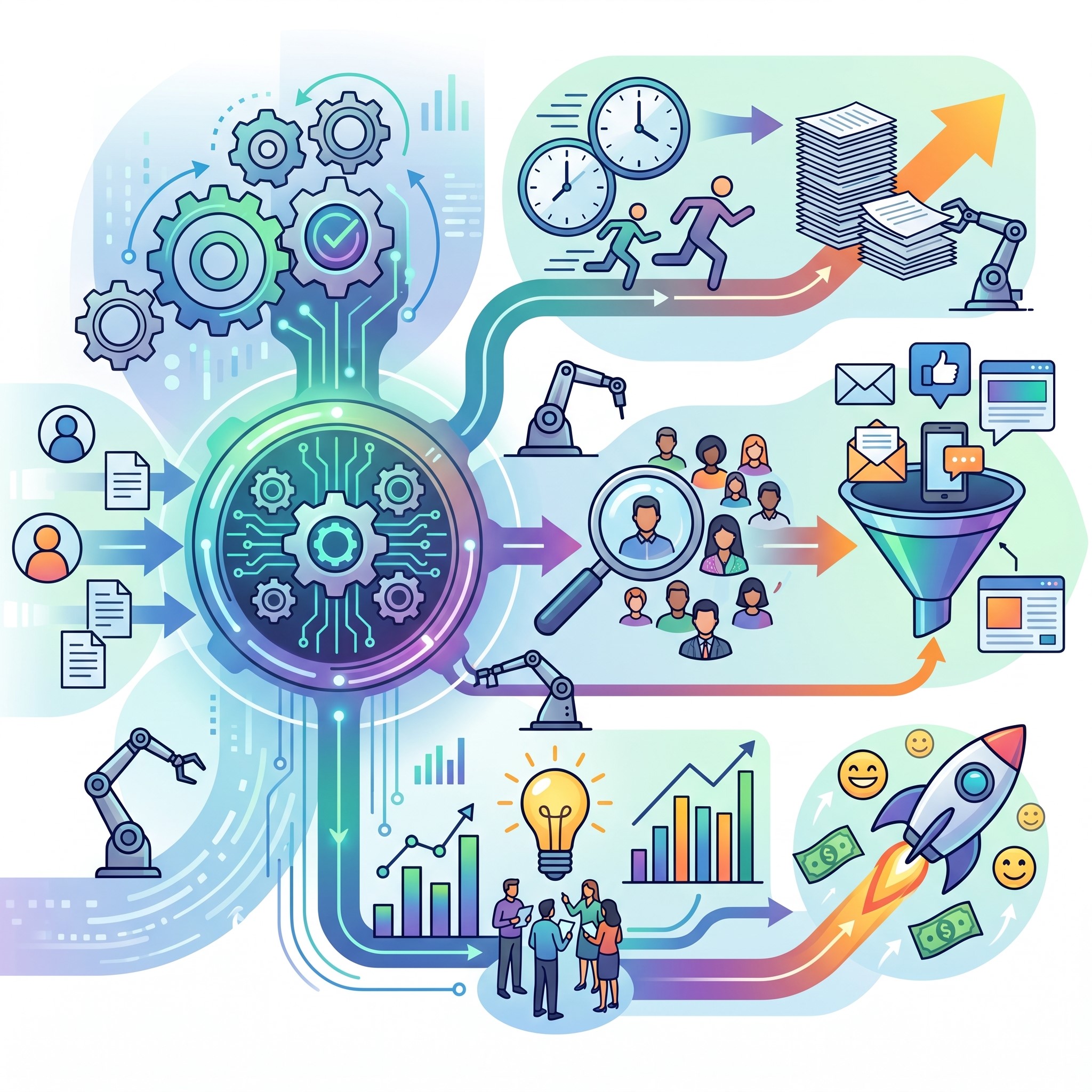 Having access to data is useless unless that data improves your output. Integrating automated systems into your workflow leads to several tangible improvements in your marketing execution.
Precision in Campaign Measurement
Attribution remains one of the toughest challenges for marketers. Determining exactly which campaign drove a spike in brand awareness requires precise measurement. Automated brand tracking correlates your marketing activities with shifts in brand health metrics.
You can overlay your campaign spend data onto your brand sentiment timeline. This visualization shows exactly when a specific television commercial or social media push moved the needle. Understanding which channels drive actual brand equity allows you to allocate your budget more effectively in the next quarter. You stop spending money on channels that generate empty impressions and double down on the platforms that build lasting customer loyalty.
Proactive Crisis Management
A PR crisis can destroy years of careful brand building in a matter of hours. Manual tracking leaves you blind during the early stages of a controversy. Automated branding acts as an early warning system.
The software detects sudden spikes in negative sentiment or unusual keyword associations linked to your company. Marketing and public relations teams receive automated alerts the moment the data deviates from the baseline. This early detection gives you a critical head start. You can draft a response, pause scheduled promotional content, and address the issue before it spirals out of control.
Aligning Brand Health with Revenue
Marketing departments often struggle to connect brand-building exercises with actual revenue. Executives want to see hard numbers, not just vague improvements in “awareness.” Automated tracking tools bridge this gap by integrating with your customer relationship management (CRM) and sales software.
You can track how an increase in positive brand sentiment correlates with an uptick in lead generation or closed sales. Proving this relationship changes the internal conversation around marketing budgets. Brand building becomes a measurable driver of revenue rather than an unquantifiable expense.
Implementing Automated Tracking in Your Strategy
Adopting a new technology requires careful planning. You need to select the right tools and ensure they fit seamlessly into your existing operations.
Choosing the Right Software
The market is flooded with automated branding solutions, each offering slightly different features. Start by defining your core objectives. If you prioritize understanding public conversation, look for software with robust natural language processing capabilities. If your focus is primarily on visual brand representation, seek out tools that offer image recognition and logo tracking across the web.
Ensure the platform you choose offers customizable dashboards. Your CMO requires a different view of the data than your social media manager. The software must accommodate these different use cases to be truly effective across the department.
Integrating with Existing Marketing Stacks
An automated tracking tool should not operate in an isolated silo. To maximize its value, you must integrate it with your current marketing technology stack. Connect the tracking software to your social media schedulers, email marketing platforms, and data visualization tools.
This integration creates a unified ecosystem where data flows freely between applications. Your team can then trigger automated marketing workflows based on brand health metrics. For example, if brand consideration drops in a specific geographic region, the system can automatically launch a localized email re-engagement campaign.
Advanced Audience Segmentation for Better Insights
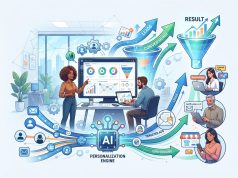
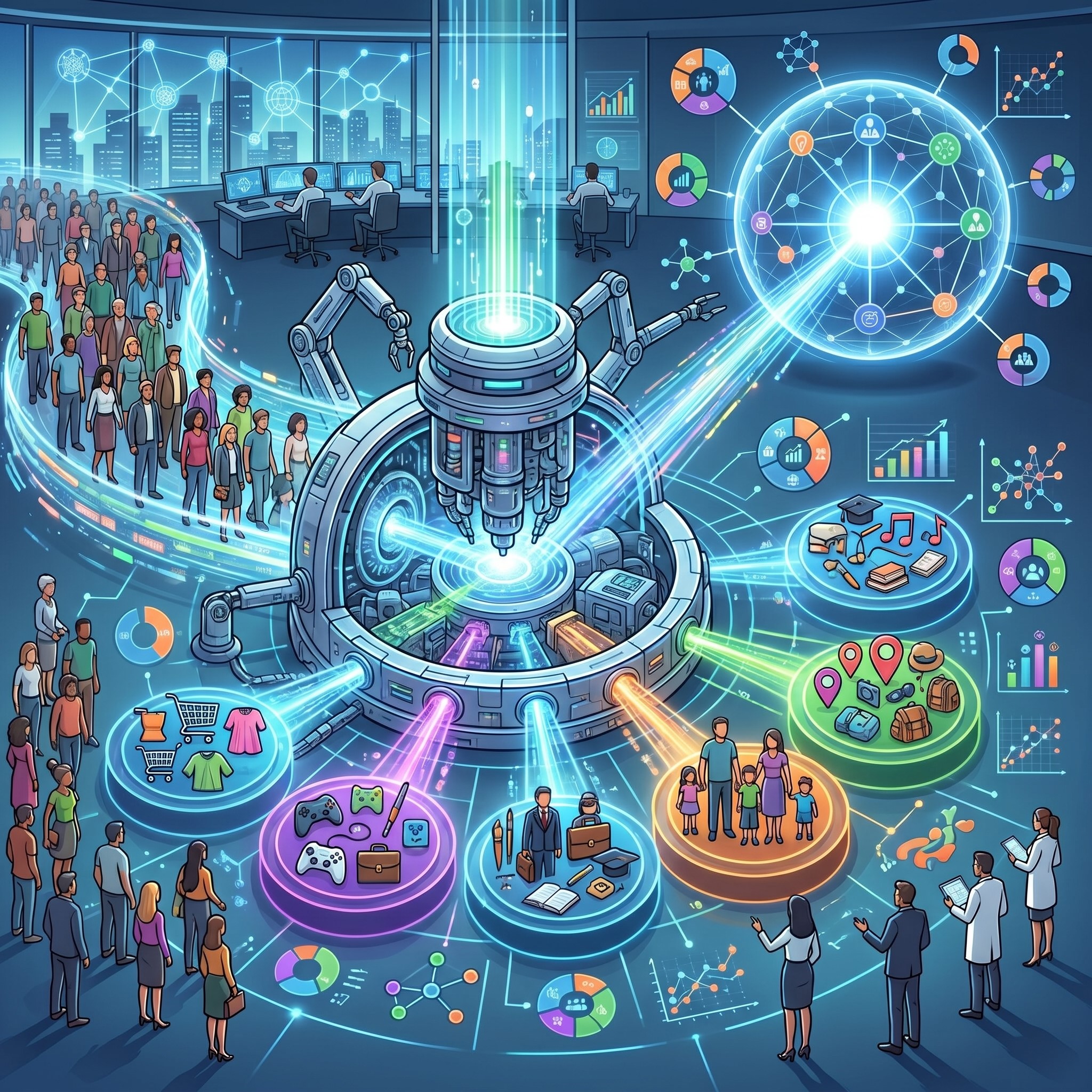 Understanding your audience at a deeper level is essential for effective brand tracking. Automated systems allow marketers to segment audiences based on demographics, behavior, interests, and engagement patterns. Instead of treating your audience as one large group, segmentation helps you identify how different groups perceive your brand. For example, younger audiences may respond differently to messaging compared to older professionals. With automated insights, you can tailor campaigns specifically for each segment, improving relevance and engagement. This level of precision ensures your marketing efforts are not wasted on broad messaging but instead focused on delivering personalized experiences that resonate with each audience group.
Leveraging AI for Predictive Brand Trends
Artificial intelligence does more than analyze past data—it predicts future outcomes. Automated brand tracking tools use AI algorithms to identify patterns and forecast upcoming trends in consumer behavior and sentiment. This predictive capability allows marketers to stay ahead of the curve rather than reacting too late. For instance, if data suggests a growing interest in sustainability, brands can adjust messaging early to align with that trend. Predictive insights also help in planning product launches, seasonal campaigns, and content strategies. By anticipating changes in the market, businesses can position themselves strategically and maintain a competitive advantage in a rapidly evolving landscape.
Enhancing Customer Journey Mapping
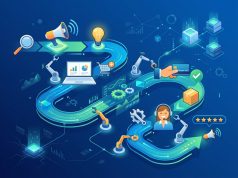
Automated brand tracking plays a critical role in understanding the full customer journey. From the first interaction to final purchase and beyond, every touchpoint generates valuable data. Automation tools compile this information to create a clear map of how customers interact with your brand across channels. This helps identify friction points, such as where users drop off or lose interest. By addressing these gaps, businesses can create smoother, more engaging experiences. Improved journey mapping also allows marketers to deliver the right message at the right time, increasing conversion rates and strengthening long-term customer relationships.
Improving Cross-Channel Marketing Consistency
Maintaining a consistent brand message across multiple channels is a major challenge for marketers. Automated tracking tools monitor performance across platforms like social media, email, websites, and paid ads, ensuring your messaging stays aligned. Inconsistencies can confuse customers and weaken brand identity. With automation, you can quickly identify which channels are underperforming or delivering mixed messages. This allows teams to adjust content and tone to maintain uniformity. A consistent brand presence builds trust, reinforces recognition, and ensures that customers receive the same core message regardless of where they interact with your business.
Data Visualization for Smarter Decision-Making
Raw data can be overwhelming, especially when dealing with multiple metrics and large datasets. Automated brand tracking tools solve this problem through advanced data visualization. Dashboards present complex information in easy-to-understand charts, graphs, and heatmaps. This visual representation helps marketers quickly identify trends, anomalies, and opportunities without digging through spreadsheets. Decision-makers can grasp insights at a glance, enabling faster and more confident actions. Visualization also improves communication within teams, as data becomes easier to share and interpret. By transforming numbers into clear visuals, businesses can make smarter, data-driven decisions with greater efficiency.
Frequently Asked Questions (FAQ)
1. What is automated brand tracking?
Automated brand tracking uses AI tools to monitor brand awareness, sentiment, and trends in real time. It collects data from digital platforms, helping businesses understand public perception and make faster, data-driven marketing decisions.
2. How does automated brand tracking improve marketing performance?
It provides real-time insights, allowing marketers to adjust campaigns instantly. Teams can quickly identify what works and what fails, improving targeting, reducing wasted budget, and increasing overall campaign effectiveness and return on investment.
3. What are the key benefits of automated branding solutions?
Key benefits include real-time data access, competitor monitoring, and cost savings. Automation reduces manual effort, speeds up analysis, and helps teams focus on strategy. It also improves accuracy and supports faster, smarter decision-making across marketing activities.
4. Can small businesses use automated brand tracking tools?
Yes, many tools offer scalable and affordable plans for small businesses. Automation helps reduce workload, improve efficiency, and provide valuable insights without hiring large teams, allowing smaller companies to compete effectively in the market.
5. What metrics should businesses track first?
Start with brand awareness, sentiment, and share of voice. These core metrics help understand visibility, customer perception, and market position. Once established, businesses can expand into advanced metrics like engagement, loyalty, and purchase intent.
Turn Brand Insights into Marketing Action
Relying on outdated, manual reporting methods limits your marketing potential. The modern consumer landscape shifts too rapidly for quarterly reviews to be effective. Automated brand tracking provides the continuous, reliable data stream necessary to make smart, agile decisions.
By investing in automated branding solutions, you empower your team to react instantly to market changes, outmaneuver competitors, and prove the financial value of your brand-building efforts. The transition requires a strategic approach to software selection and data integration, but the resulting improvements in campaign precision and resource efficiency far outweigh the initial setup effort. Review your current marketing technology stack this week and identify where automated tracking can replace your manual research processes.