
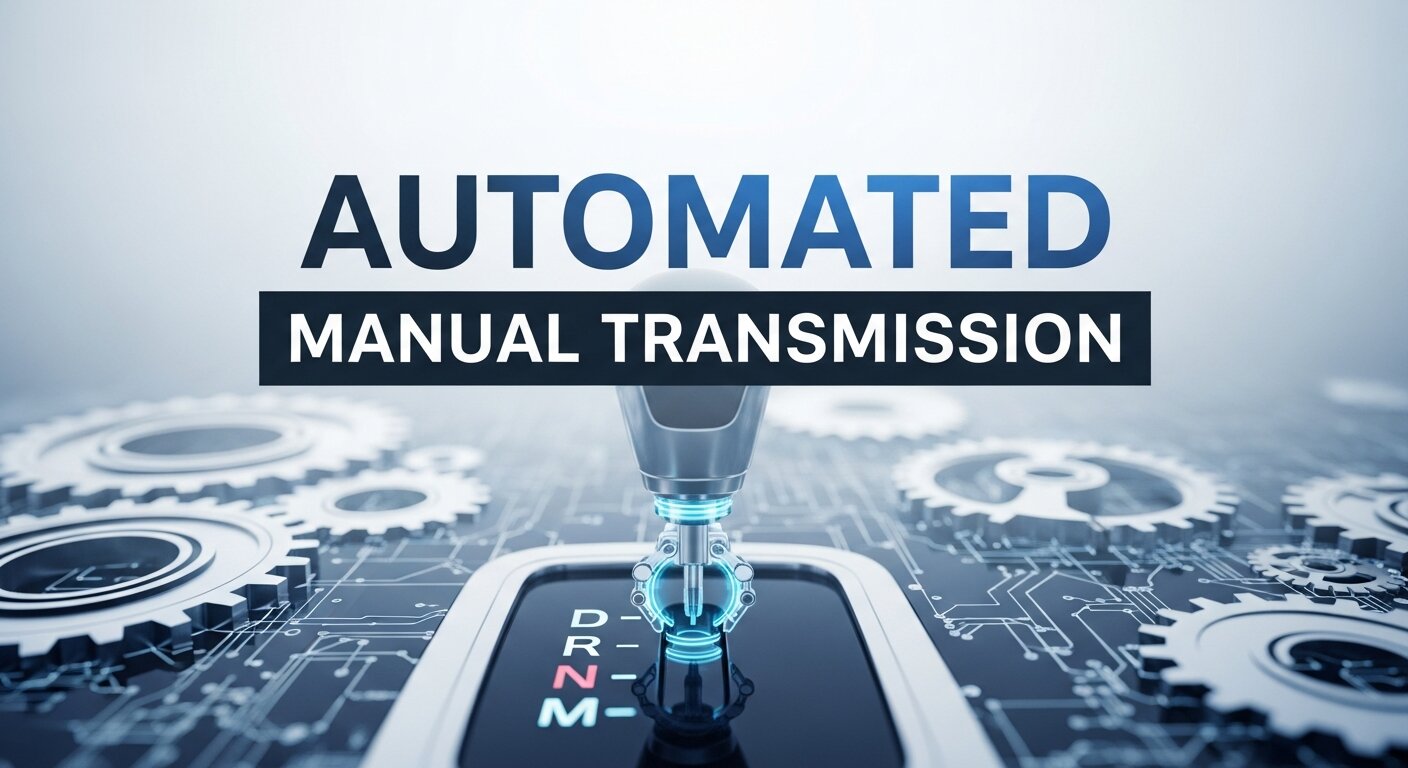
Choosing a new vehicle involves navigating a maze of technical specifications, optional upgrades, and confusing industry jargon. You might spend hours researching engine sizes, infotainment systems, and safety ratings. Yet, one of the most critical decisions you will make centers on how the car shifts gears. While traditional manual and standard automatic gearboxes dominate the conversation, another option frequently appears on dealer lots and spec sheets.
The automated manual transmission bridges the gap between traditional stick shifts and conventional automatics. It promises the engaging feel and fuel efficiency of a manual gearbox combined with the effortless convenience of an automatic. For many drivers, this sounds like the perfect compromise. You get to rest your left foot during heavy traffic while still enjoying the mechanical directness of a physical clutch system when the road opens up.
However, understanding exactly what this technology entails is crucial before you sign any paperwork. The automotive world is full of different transmission types, from continuously variable transmissions to dual-clutch systems, and each comes with its own unique driving dynamics. An automated manual transmission operates differently than a standard automatic, and that difference translates directly to how the car behaves on the road.
This comprehensive guide will break down the mechanics of the automated manual transmission, explore its distinct advantages and disadvantages, and help you determine if it fits your driving style. By the end of this post, you will have a clear understanding of whether this unique gearbox technology deserves a place in your driveway.
Understanding the Mechanics Under the Hood
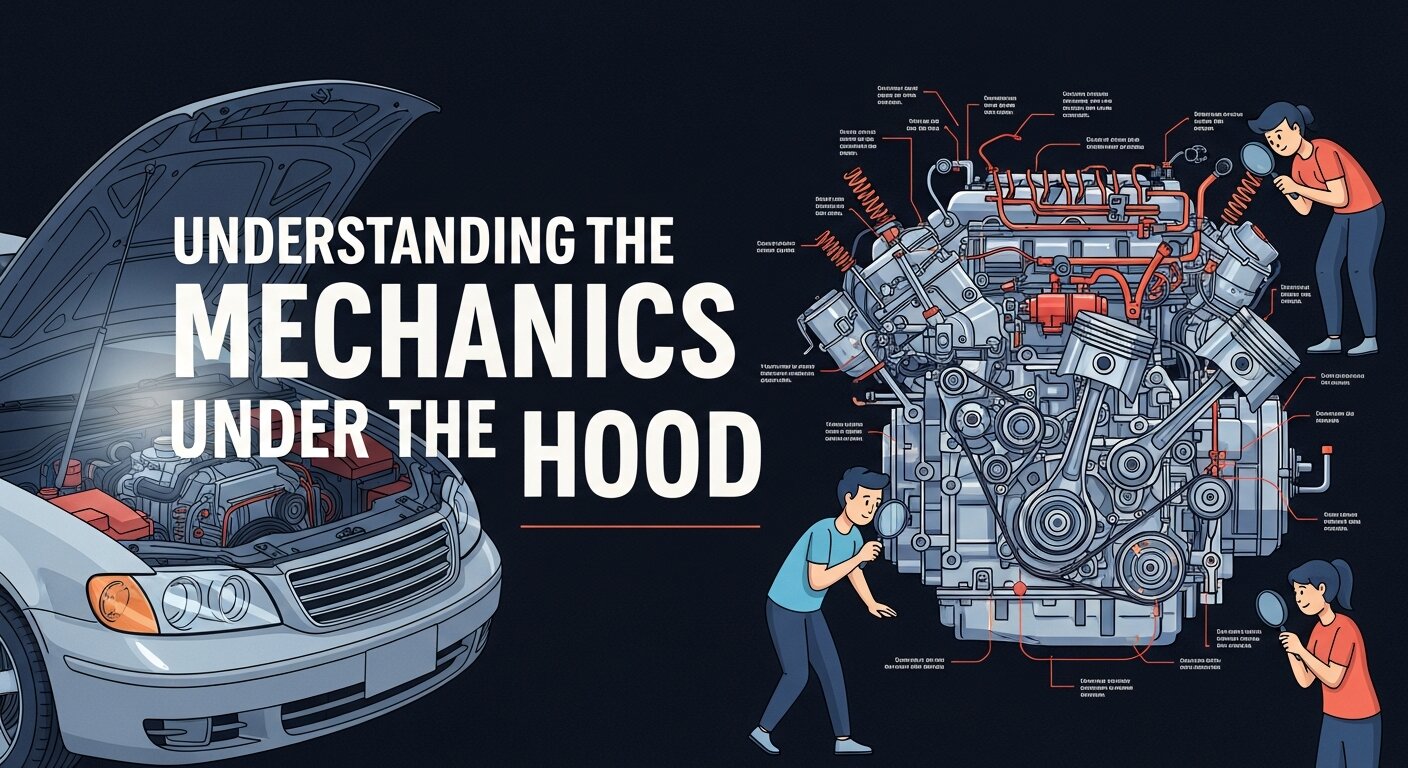
To fully grasp what an automated manual transmission offers, you first need to understand how it operates. At its core, this system is exactly what its name implies. It is a traditional manual gearbox, complete with a physical clutch and standard gear sets, but it removes the human element from the actual shifting process.
The Role of Computers and Actuators
In a standard stick-shift car, the driver presses the clutch pedal to disconnect the engine from the transmission. The driver then moves the gear selector into the desired position and releases the clutch to re-engage the power. An automated manual transmission eliminates the clutch pedal entirely. Instead, a complex network of electronic sensors, computers, and hydraulic or electric actuators takes over.
When the vehicle’s computer determines it is time to shift up or down, it sends a signal to the actuators. These actuators quickly disengage the clutch, select the appropriate gear, and re-engage the clutch. All of this happens in a fraction of a second. The driver simply presses the gas pedal, and the car handles the mechanical coordination.
Single-Clutch vs. Dual-Clutch Systems
It is important to differentiate between the two main types of automated manual systems on the market. Early versions, and those often found in heavy-duty commercial vehicles or budget-friendly economy cars, use a single-clutch setup. These operate almost exactly like a human shifting a manual car, which means there is a brief interruption of power delivery during the shift.
Conversely, dual-clutch transmissions represent a more advanced evolution of this concept. These systems use two separate clutches: one handles the odd-numbered gears, and the other manages the even-numbered gears. When you drive in third gear, the computer has already pre-selected fourth gear on the second clutch. When it is time to shift, one clutch simply opens while the other closes simultaneously. This results in incredibly fast, seamless gear changes without any noticeable loss of power.
The Advantages of Driving an AMT
Automakers developed the automated manual transmission to solve specific engineering challenges. By combining the physical components of a manual gearbox with the ease of an automatic, this system brings several distinct benefits to the table.
Superior Fuel Efficiency
Traditional automatic transmissions use a fluid-filled device called a torque converter to transfer power from the engine to the wheels. While modern torque converters are highly advanced, they still experience a certain amount of parasitic power loss. Because an automated manual transmission uses a direct mechanical connection via a physical clutch, it transfers power much more efficiently.
This direct mechanical link means the engine does not have to work as hard to propel the vehicle forward. Less wasted energy translates directly into better fuel economy. For drivers commuting long distances or looking to reduce their carbon footprint, this increased efficiency is a major selling point. In many cases, an automated manual transmission will deliver fuel economy numbers identical to, or even slightly better than, a traditional stick shift.
Lower Manufacturing and Purchase Costs
Particularly in the case of single-clutch systems, an automated manual transmission is often cheaper to manufacture than a conventional automatic or a continuously variable transmission. The internal components are relatively simple and share many parts with standard manual gearboxes.
Automakers often pass these manufacturing savings down to the consumer. In budget-friendly compact cars, offering an automated manual transmission allows the manufacturer to provide an “automatic” driving experience without significantly inflating the base price of the vehicle. If you are shopping on a strict budget but refuse to deal with a clutch pedal in stop-and-go traffic, this cost-effectiveness makes the technology highly appealing.
An Engaging Driving Experience
Many driving enthusiasts lament the loss of the manual transmission in modern sports cars. Traditional automatics can sometimes feel disconnected or sluggish when driven aggressively. Because an automated manual transmission uses real gears and a physical clutch, it provides a much more direct, visceral feel.
When you press the accelerator, you feel a direct mechanical link to the road. Engine braking is much more pronounced, allowing you to slow the car down by downshifting, just as you would in a manual. Furthermore, most of these systems include a manual override mode, allowing the driver to select gears using paddle shifters mounted on the steering wheel or the central gear lever. This returns a sense of control to the driver, making winding back roads much more enjoyable.
The Drawbacks to Consider

Despite the engineering benefits, this technology is not without its flaws. The very mechanics that make it efficient and engaging can also lead to frustration for drivers accustomed to the buttery-smooth operation of a traditional automatic.
Shift Quality and Jerkiness
The most common complaint regarding single-clutch automated manual transmissions involves the quality of the gear changes. Because the system mimics a human shifting a manual car, there is a distinct pause in power delivery as the clutch disengages and the next gear is selected.
If you keep your foot buried on the accelerator during this process, the car can feel jerky or hesitant. The vehicle essentially rocks back and forth during shifts, which can be highly annoying during slow, stop-and-go city driving. Drivers often have to learn to slightly lift their foot off the gas pedal precisely when the car is shifting to smooth out the transition. For someone expecting a seamless automatic experience, this learning curve can be off-putting.
Creeping and Low-Speed Maneuvers
Traditional automatics naturally “creep” forward when you take your foot off the brake pedal. This makes inching into a tight parking space or moving slowly through a drive-thru incredibly easy. An automated manual transmission behaves differently.
Because it uses a physical clutch, the computer must slip the clutch to allow the car to move at very low speeds without stalling the engine. Some systems handle this better than others. In certain vehicles, low-speed maneuvers can feel shuddering or unrefined as the computer struggles to find the perfect engagement point. You might find yourself having to apply more throttle than expected to get the car moving, which can result in a sudden lurch forward.
Maintenance and Long-Term Reliability
While the internal gears are robust, the electronic actuators and clutch packs face significant wear and tear. Just like a human-operated clutch, the clutch in an automated manual transmission will eventually wear out and require replacement.
If you spend the majority of your time driving in heavy traffic where the computer is constantly slipping the clutch to manage low speeds, the clutch pack can degrade faster than expected. Replacing these components, along with the sophisticated sensors and hydraulic pumps that operate them, can sometimes lead to higher repair bills compared to a standard automatic transmission.
The Broader Context of Automation
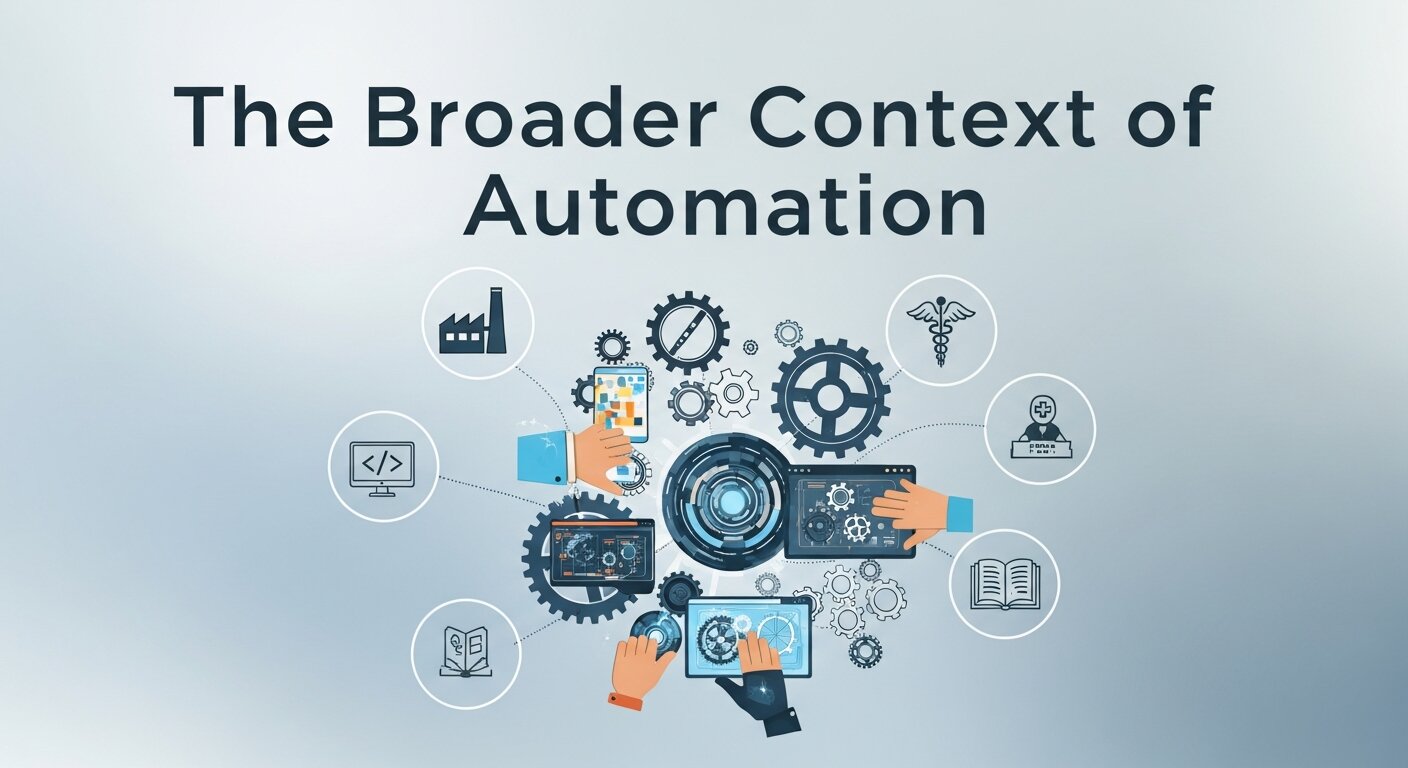
The desire to automate complex mechanical tasks is not isolated to the automotive industry. We see a massive push toward streamlining systems across all sectors of daily life and business. In the corporate sector, marketing agencies heavily rely on automated branding solutions to ensure consistent messaging across multiple platforms without requiring constant human oversight.
Similarly, in our personal lives, consumers constantly seek out the best brands for automation to upgrade their living spaces. People integrate smart thermostats, lighting systems, and security cameras into their daily routines, trusting top-tier home automation brands to handle tasks seamlessly in the background.
The automotive industry’s pursuit of the automated manual transmission stems from this exact same philosophy. Engineers want to provide the structural benefits of a proven mechanical system—the manual gearbox—while removing the tedious human input required to operate it. Just as a smart home system manages your energy usage efficiently behind the scenes, the transmission’s computer manages engine power delivery to maximize both performance and fuel economy.
Frequently Asked Questions
1. What is an automated manual transmission (AMT)?
An AMT is a manual transmission that uses electronic controls to operate the clutch and shift gears automatically, providing convenience while maintaining the efficiency of a manual gearbox.
2. How does an automated manual transmission work?
The system uses sensors, computers, and actuators to control clutch engagement and gear changes, eliminating the need for a clutch pedal and manual gear selection.
3. How is AMT different from a traditional automatic transmission?
AMTs use a manual gearbox with automated controls, while traditional automatics use torque converters. AMTs are typically more fuel-efficient but may have less seamless gear shifts.
4. Is an AMT vehicle easy to drive?
Yes. Since there is no clutch pedal, AMT vehicles are simple to operate and are especially convenient for new drivers and daily commuting.
5. Are AMT cars fuel-efficient?
Yes. AMT vehicles generally offer better fuel economy than many traditional automatic cars because they transfer engine power more efficiently.
6. Do AMT cars perform well in heavy traffic?
Yes. AMTs remove the need for constant clutch use in traffic, reducing driver fatigue and making stop-and-go driving more comfortable.
7. What are the disadvantages of an automated manual transmission?
Some AMTs can feel jerky during gear changes, especially at low speeds. Drivers may also notice a brief pause in acceleration during shifts.
8. Are AMT vehicles expensive to maintain?
Maintenance costs are usually reasonable, but components such as the clutch and actuators may require replacement over time depending on driving conditions.
9. Can I manually change gears in an AMT car?
Many AMT vehicles include a manual mode that allows drivers to select gears using the gear lever or steering-wheel-mounted paddle shifters.
10. Is an automated manual transmission right for everyday driving?
For many drivers, yes. AMTs provide a balance of affordability, fuel efficiency, and convenience, making them a practical choice for daily transportation.
Making the Final Decision on Your Next Vehicle
Determining whether an automated manual transmission belongs in your next car requires a careful evaluation of your daily commute, your budget, and your personal driving preferences. There is no universally correct answer, as the technology appeals to a very specific set of priorities.
If you consider yourself a driving enthusiast who values a direct mechanical connection to the road but cannot justify a traditional stick shift due to traffic, a dual-clutch automated manual provides a fantastic compromise. You will enjoy lightning-fast shifts, excellent fuel economy, and the tactile engagement of paddle shifters.