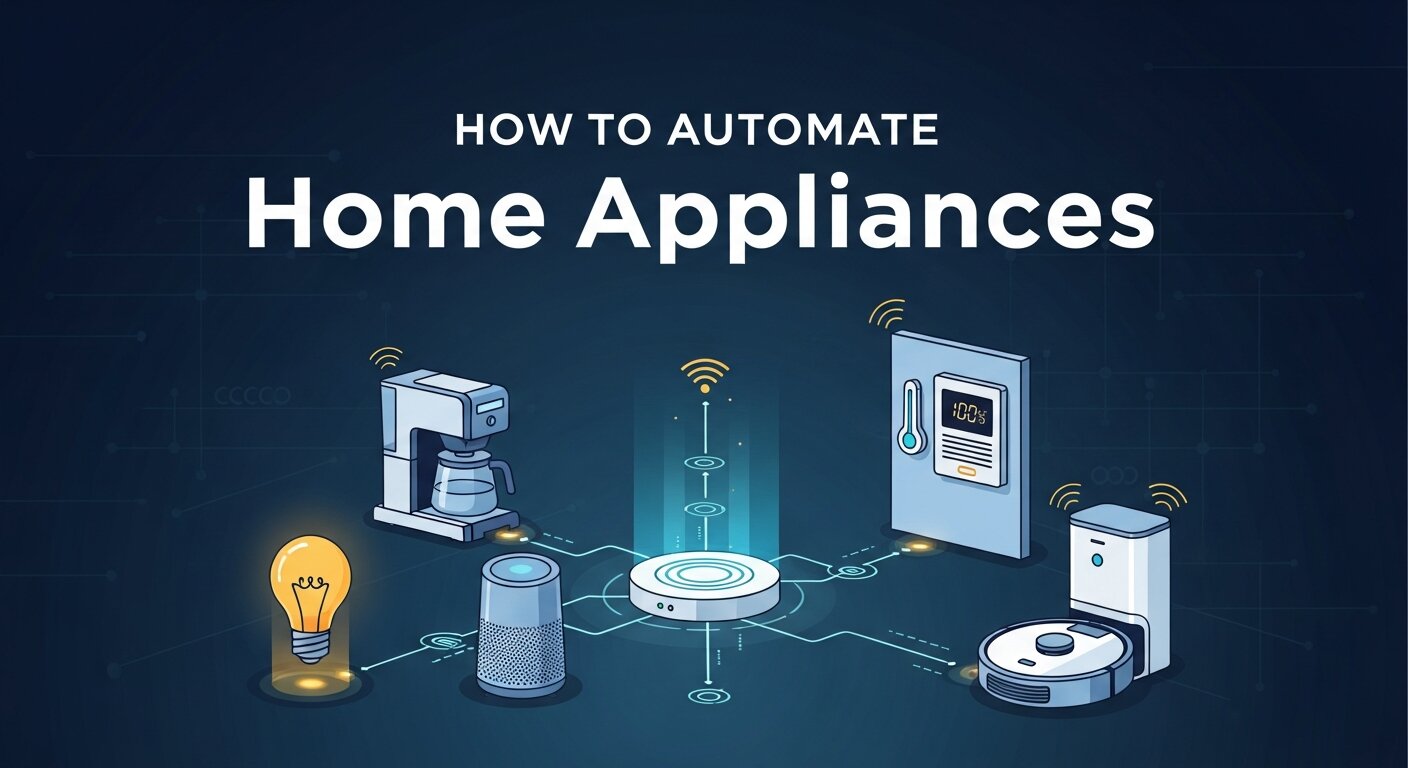
Imagine walking into your home after a long day and having the lights turn on automatically, the air conditioner adjust to your preferred temperature, and your favorite playlist start playing without touching a switch. What once seemed like a futuristic concept is now an achievable reality thanks to modern home automation technology.
Home automation has transformed the way people interact with their living spaces. From controlling appliances remotely to creating intelligent routines that manage everyday tasks automatically, smart home systems offer unprecedented convenience and efficiency. Whether your goal is to reduce energy consumption, improve security, or simply make daily life easier, automating home appliances can help you create a more comfortable and connected environment.
This guide explores everything you need to know about automating home appliances and building a smarter home, from understanding the fundamentals of smart technology to implementing effective automation strategies.
Understanding Home Automation
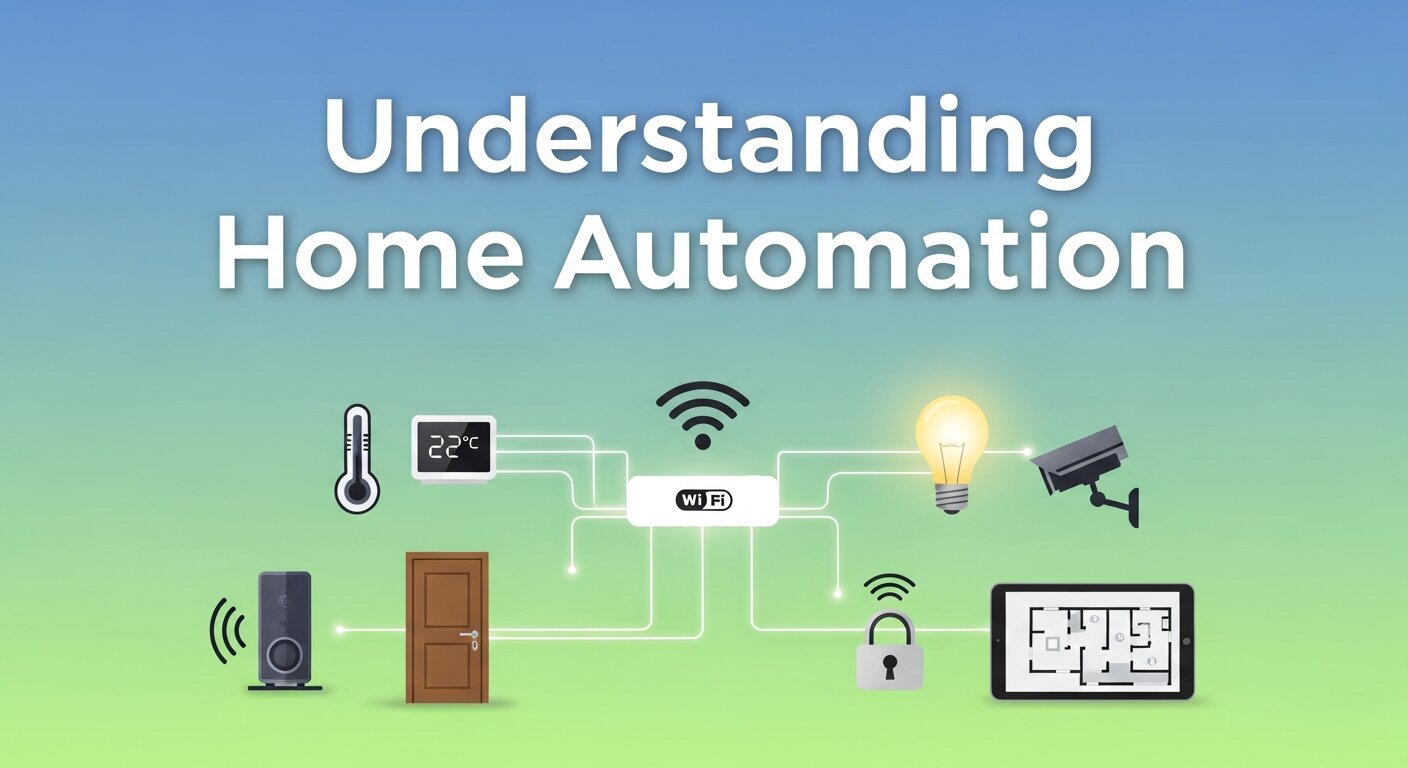
Home automation refers to the use of technology that enables household appliances and systems to operate automatically or be controlled remotely through connected devices. Smart appliances communicate through wireless technologies such as Wi-Fi, Bluetooth, Zigbee, or Z-Wave, allowing homeowners to manage them using smartphones, tablets, or voice assistants.
Rather than manually controlling every appliance, automation systems allow users to create schedules, routines, and triggers that perform tasks automatically. For example, lights can turn on at sunset, thermostats can adjust temperatures based on occupancy, and security systems can activate when residents leave home.
As technology continues to evolve, home automation is becoming more accessible, making it easier than ever for homeowners to upgrade their living spaces without extensive renovations or technical expertise.
Why More Homeowners Are Automating Their Appliances
The growing popularity of smart homes is largely driven by the convenience they provide. Automated appliances eliminate many repetitive tasks, allowing homeowners to focus on more important activities. Instead of worrying about whether lights were left on or doors were locked, users can monitor and control these systems from virtually anywhere.
Another major advantage is energy efficiency. Smart devices can optimize energy usage by ensuring appliances only operate when necessary. This not only reduces utility costs but also contributes to a more environmentally responsible lifestyle.
Security is another significant factor influencing adoption. Automated security systems provide real-time monitoring, instant alerts, and remote access to cameras and locks, helping homeowners protect their property more effectively.
Comfort also plays an important role. Smart systems can adapt to personal preferences by automatically adjusting lighting, temperature, entertainment settings, and other environmental factors throughout the day.
Building the Foundation for a Smart Home
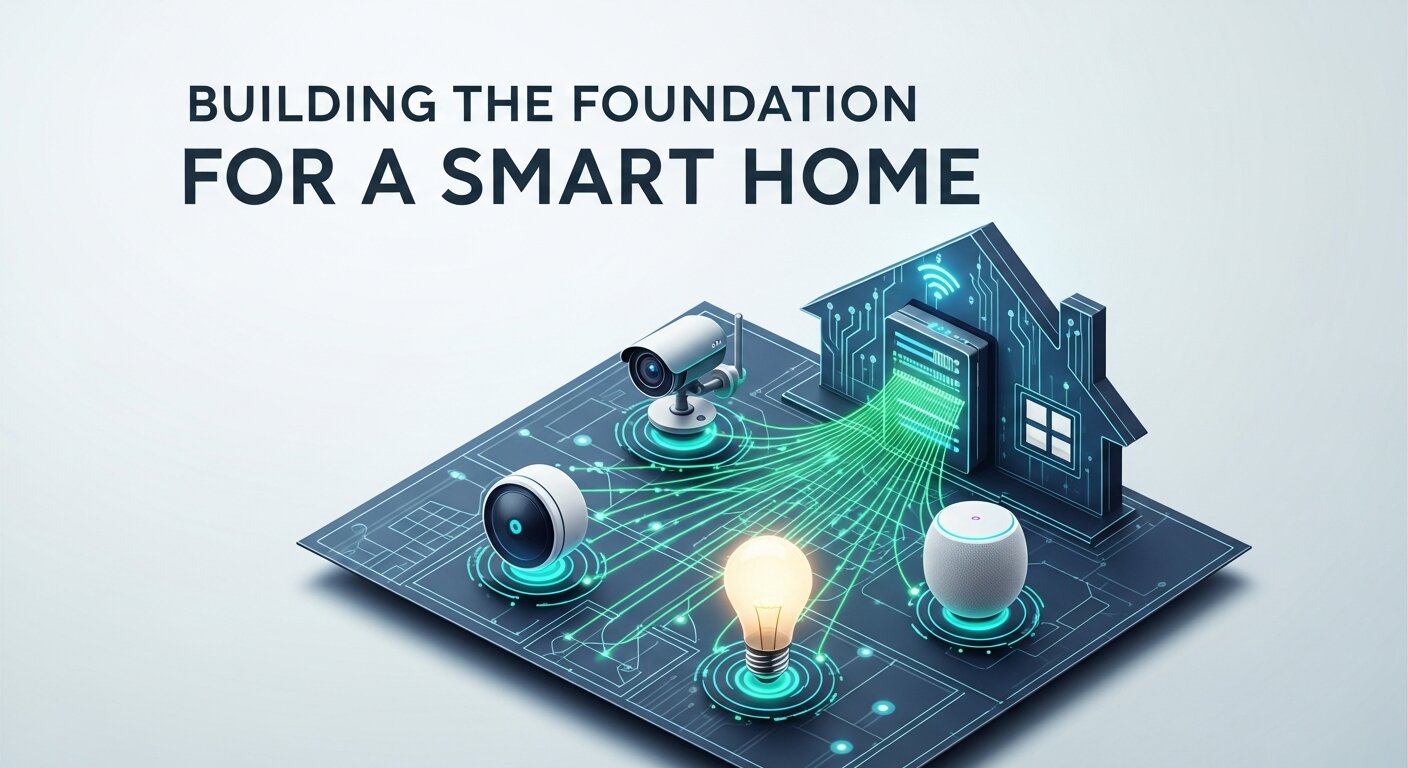
Before automating appliances, it is essential to establish a reliable technological foundation. A strong internet connection serves as the backbone of most smart home systems. Devices rely on consistent connectivity to communicate with each other and execute automation routines without interruption.
A modern router with sufficient coverage can significantly improve system performance. Homes with multiple rooms or larger layouts may benefit from mesh networking solutions that provide stronger and more consistent wireless signals throughout the property.
Network security should also be a priority. Protecting connected devices with strong passwords, secure encryption, and regular software updates helps reduce cybersecurity risks while maintaining reliable operation.
Choosing the Right Smart Devices
Selecting the right devices is one of the most important steps in home automation. Not all smart products operate within the same ecosystem, making compatibility a critical consideration during the purchasing process.
Many homeowners begin their automation journey with smart plugs because they provide a simple way to control traditional appliances remotely. Lamps, fans, coffee makers, and other everyday devices can instantly become part of a smart home system without requiring replacement.
Smart switches, smart bulbs, thermostats, cameras, and sensors are also popular additions. When evaluating products, it is important to consider ease of use, reliability, software support, and integration capabilities.
As the smart home market continues to grow, many companies invest heavily in automated branding solutions to create cohesive user experiences across their product lines. This focus on integration often helps consumers manage multiple devices through a single platform while maintaining consistent functionality.
Automating Home Lighting
Lighting is often the first area homeowners choose to automate because it provides immediate and noticeable benefits. Smart lighting systems allow users to control brightness, scheduling, and operation from virtually anywhere.
Automated lighting can be programmed to align with daily routines. Lights may gradually brighten in the morning to create a natural wake-up experience and automatically dim during evening hours to promote relaxation. Motion sensors can activate lighting when someone enters a room and turn it off when the area becomes unoccupied.
Beyond convenience, smart lighting contributes to energy savings by reducing unnecessary electricity consumption. The ability to manage lighting remotely also enhances security by creating the appearance of occupancy when homeowners are away.
Creating Smart Climate Control
Heating and cooling systems represent a significant portion of household energy usage. Automating climate control allows homeowners to optimize comfort while minimizing energy waste.
Smart thermostats can learn occupancy patterns and adjust temperatures automatically throughout the day. When residents leave home, the system can reduce heating or cooling activity and restore preferred settings shortly before their return.
Remote access allows users to monitor and adjust temperatures from anywhere, ensuring comfortable indoor conditions regardless of location. Over time, these intelligent adjustments can result in substantial reductions in energy costs.
As smart climate technologies advance, they continue to play an increasingly important role in creating sustainable and efficient living environments.
Integrating Voice Assistants
Voice assistants have become one of the most recognizable features of modern smart homes. These systems enable users to control appliances through simple spoken commands, eliminating the need to interact with multiple applications or physical controls.
Voice integration creates a seamless user experience by allowing homeowners to operate lighting, climate systems, entertainment devices, and security features naturally. Instead of navigating menus or searching for remote controls, users can simply speak commands to manage their environment.
The convenience offered by voice control has made it a central component of many home automation strategies, particularly for individuals seeking accessibility and ease of use.
Using Sensors to Create Intelligent Automation
Sensors add a level of intelligence that transforms individual smart devices into a truly automated system. These small yet powerful components detect changes in the environment and trigger actions based on predefined conditions.
Motion sensors can activate lighting when someone enters a room. Temperature sensors can communicate with thermostats to maintain consistent comfort levels. Door and window sensors can notify homeowners of unexpected activity and activate security responses when necessary.
By combining sensors with automated routines, homeowners can create environments that respond dynamically to changing conditions without requiring manual intervention.
Enhancing Home Security Through Automation
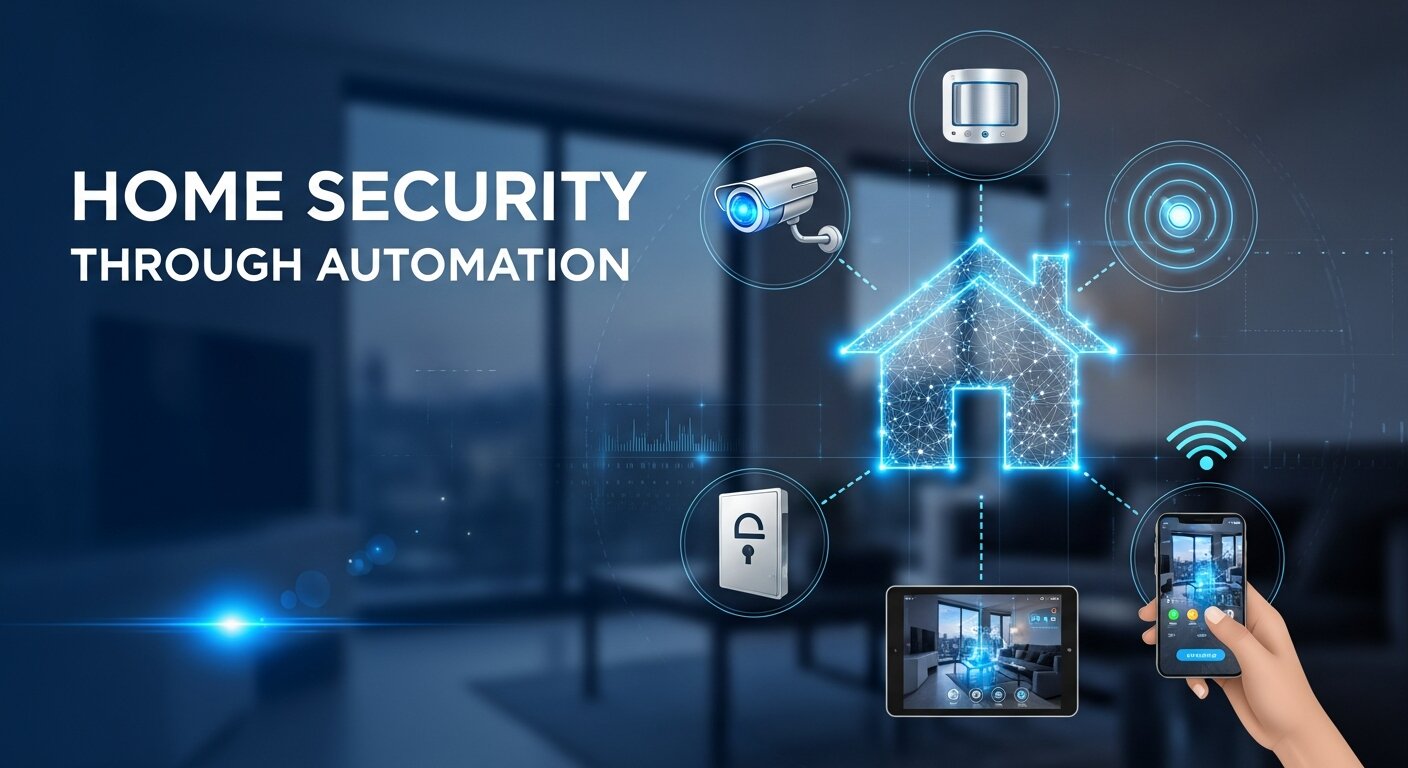
Security remains one of the most compelling reasons to invest in home automation. Smart security systems provide continuous monitoring and rapid response capabilities that traditional systems often cannot match.
Automated locks, cameras, and sensors work together to create a comprehensive security network. Homeowners can receive notifications about unusual activity, monitor live camera feeds, and manage access to their property remotely.
Automation also enables proactive security measures. Exterior lighting can activate when motion is detected, doors can lock automatically at designated times, and surveillance systems can begin recording when sensors detect movement.
When comparing available solutions, many consumers evaluate various home automation brands based on factors such as reliability, integration capabilities, and long-term support. Choosing trusted providers can help ensure a more dependable and secure experience.
Developing Effective Automation Routines
The true value of a smart home emerges when devices work together through automation routines. These routines allow multiple actions to occur automatically in response to specific triggers.
For example, a morning routine might gradually increase bedroom lighting, adjust thermostat settings, and activate kitchen appliances before residents wake up. An evening routine could lock doors, reduce lighting levels, and prepare the home for nighttime occupancy.
Location-based automation adds another layer of convenience. Smart systems can recognize when homeowners leave or return and adjust appliance settings accordingly. This level of automation reduces manual effort while creating a more personalized living experience.
The most successful automation strategies focus on solving practical problems and simplifying everyday tasks rather than adding unnecessary complexity.
Avoiding Common Home Automation Mistakes
While home automation offers numerous benefits, certain mistakes can reduce effectiveness and create frustration. One common issue is attempting to automate too many appliances simultaneously. Starting with a few high-impact devices often produces better results and allows users to become familiar with the technology gradually.
Compatibility problems can also create challenges. Purchasing devices without considering ecosystem integration may result in fragmented experiences and limited functionality. Careful planning helps avoid these issues.
Neglecting network quality is another frequent mistake. Reliable connectivity is essential for consistent performance, making network upgrades worthwhile investments in many cases.
Security should never be overlooked. Connected devices should be protected through strong authentication practices and regular software updates to minimize vulnerabilities.
Choosing Reliable Smart Home Devices for Long-Term Performance
The Future of Smart Home Automation
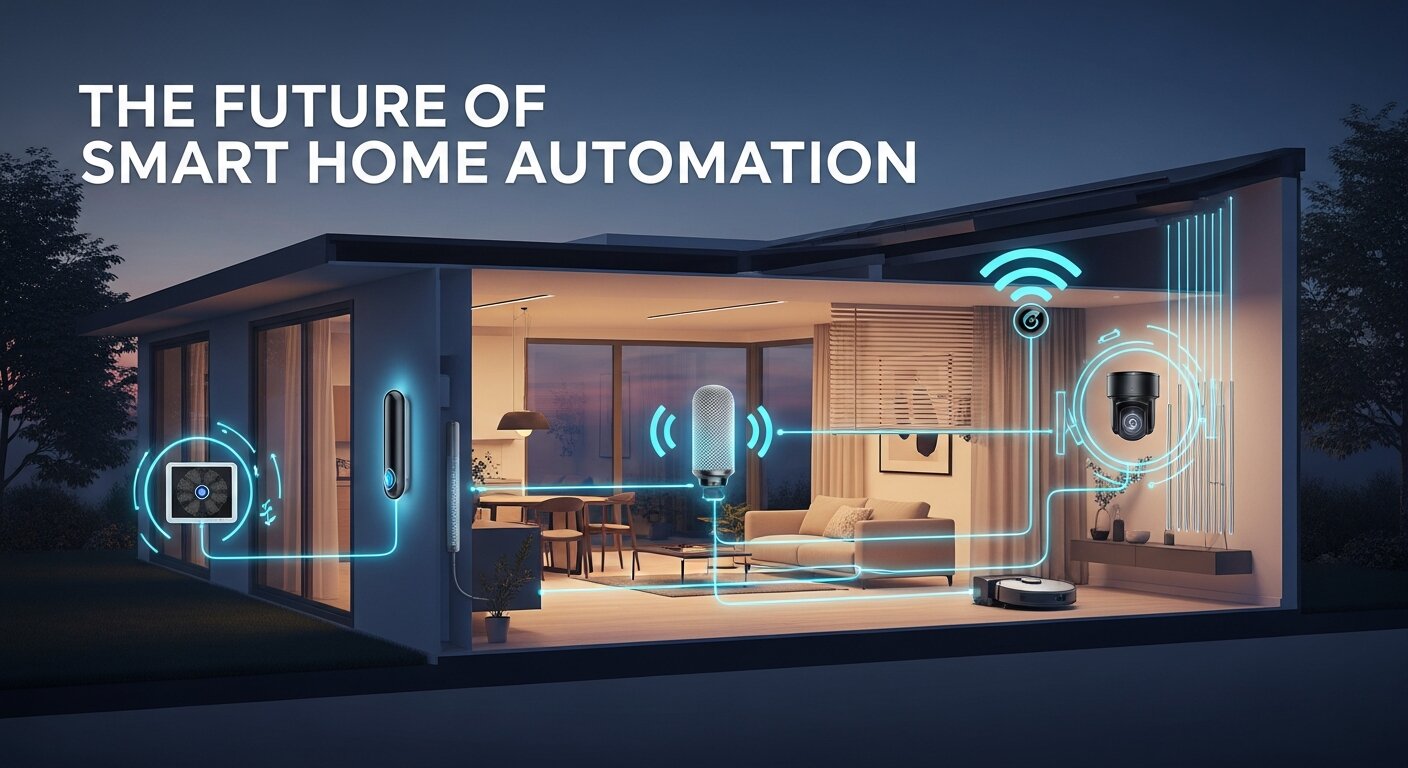
Home automation technology continues to evolve rapidly, bringing new capabilities and opportunities for homeowners. Artificial intelligence is expected to play an increasingly important role in future systems, enabling homes to learn user preferences and make intelligent adjustments automatically.
Predictive automation may eventually allow systems to anticipate needs before users issue commands. Greater interoperability standards will also make it easier for devices from different manufacturers to communicate seamlessly.
Frequently Asked Questions (FAQs)
1. What is home automation and how does it work?
Home automation uses connected smart devices to control household appliances automatically or remotely. These devices communicate through wireless networks and can follow schedules, respond to sensors, or be managed through smartphone apps and voice assistants.
2. What appliances can be automated in a smart home?
Many household appliances can be automated, including lights, fans, air conditioners, thermostats, coffee makers, televisions, security cameras, door locks, and kitchen appliances. Smart plugs and compatible devices make automation possible without major modifications.
3. Do I need technical expertise to automate home appliances?
No, most modern smart home devices are designed for beginners and offer simple installation processes. Many products include user-friendly mobile apps with step-by-step setup instructions, making automation accessible to most homeowners.
4. Can home automation help reduce energy costs?
Yes, home automation can improve energy efficiency by automatically turning off unused devices, optimizing heating and cooling schedules, and managing lighting based on occupancy. These adjustments often lead to lower monthly utility expenses.
5. Are smart home devices secure to use?
Smart home devices are generally secure when configured properly. Using strong passwords, enabling two-factor authentication, updating firmware regularly, and securing your Wi-Fi network can significantly reduce potential cybersecurity risks.
6. What is the best way to start automating home appliances?
The easiest approach is to begin with smart plugs and smart lighting systems. These devices are affordable, simple to install, and provide immediate benefits while helping homeowners understand how automation works.
7. Can I control automated appliances when I’m away from home?
Yes, most smart home systems offer remote access through mobile applications. This allows users to monitor, control, and manage connected appliances from virtually anywhere with an internet connection.
8. Do all smart home devices work together?
Not always. Device compatibility depends on the platform, communication protocol, and ecosystem being used. Before purchasing products, it is important to verify that they support integration with your existing smart home setup.
Conclusion
Automating home appliances is one of the most effective ways to improve convenience, security, energy efficiency, and overall quality of life. By connecting everyday devices and creating intelligent routines, homeowners can transform traditional living spaces into responsive environments that adapt to their needs.
The process does not require extensive technical expertise or significant investments to get started. Beginning with foundational devices such as smart plugs, lighting systems, and sensors allows homeowners to experience immediate benefits while gradually expanding their automation capabilities.